Mingura v. Credit One Bank Lawsuit: TCPA Robocall Allegations and Debt Collection Harassment Claims
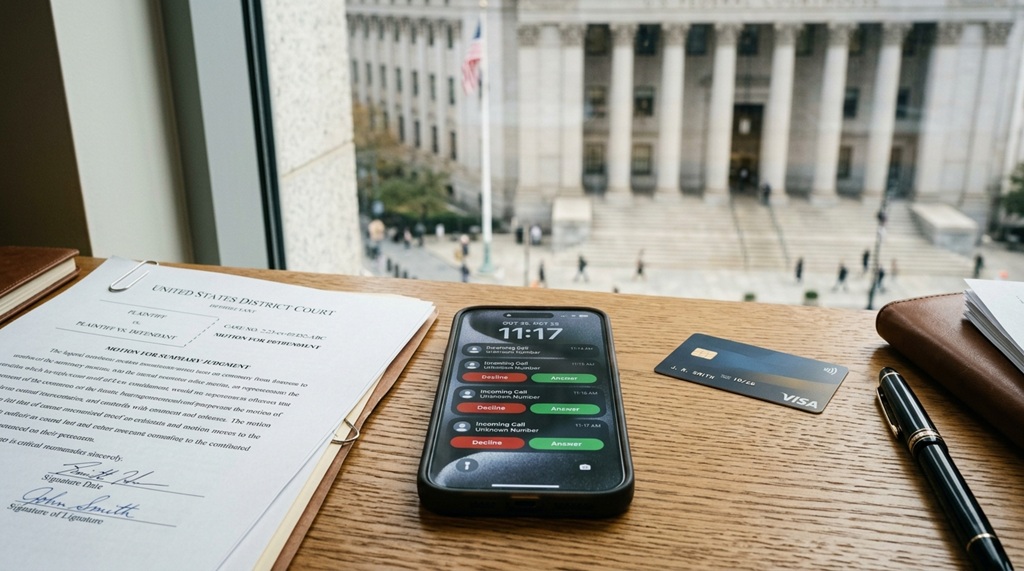
The Mingura v. Credit One Bank lawsuit centers on alleged robocalls and automated debt collection calls placed to a consumer’s mobile phone. The complaint claims that Credit One Bank used automated dialing technology to contact the plaintiff hundreds of times during several months in 2025. The case was filed on August 8, 2025, in the United States District Court for the Northern District of California. The lawsuit raises potential violations of the Telephone Consumer Protection Act (TCPA).
Federal law requires companies to obtain consent before they contact consumers through automated calling systems. The lawsuit claims that the plaintiff received hundreds of calls within a four-month period and argues that this communication pattern caused disruption and distress. The plaintiff seeks statutory damages under federal law and has requested a jury trial as the case moves forward in federal court.
Case Details of the Mingura v. Credit One Bank Lawsuit
- Case name: Mingura v. Credit One Bank
- Court: United States District Court for the Northern District of California
- Filed: August 8, 2025
- Primary law involved: Telephone Consumer Protection Act (TCPA)
- Main allegation: Automated robocalls and repeated debt collection calls
This helps Google understand the case entity clearly.
Timeline of the Mingura v. Credit One Bank Lawsuit
Court documents outline the events that led to the federal lawsuit.
April 2025 marks the beginning of the alleged contact attempts. The complaint states that the plaintiff began to receive phone calls related to an alleged credit account balance.
Contact attempts continued during the following months. Court filings claim that the calls occurred on a frequent basis. Phone records cited in the complaint indicate that the plaintiff received 578 calls between April and July 2025.
The plaintiff later filed a civil complaint in federal court. The filing occurred on August 8, 2025, in the Northern District of California.
The case now moves through the early stage of federal litigation. Judges often review preliminary motions during this phase. Each party may present legal arguments before discovery begins.
The timeline will expand as the case proceeds through the court system.
Allegations Against Credit One Bank in the Federal Complaint
The federal complaint describes repeated communication attempts related to an alleged credit account balance. The plaintiff claims that Credit One Bank placed frequent calls to a mobile phone during a short period of time. Court filings state that the calls occurred many times each week. The complaint reports a total of 578 calls between April and July 2025. The plaintiff argues that this pattern shows aggressive debt collection activity.
The lawsuit also claims that the calls relied on automated dialing technology. Federal law restricts the use of these systems when companies contact mobile phones without prior consent. The complaint states that the repeated calls caused stress and disruption in daily life. The plaintiff claims that the contact attempts continued despite personal hardship.
Credit One Bank has the right to respond to the allegations during the litigation process. The court will examine evidence and legal arguments from both sides before it determines whether any violation occurred. The case now focuses on whether the bank’s communication practices complied with federal consumer protection laws.
What the Telephone Consumer Protection Act (TCPA) Requires
Congress enacted the Telephone Consumer Protection Act (TCPA) to protect consumers from unwanted robocalls and automated text messages. The law regulates how companies contact individuals through telephone technology. Businesses must obtain clear consent before they place automated calls to mobile phones. The rule applies to robocalls, prerecorded messages, and certain automated dialing systems.
The Federal Communications Commission (FCC) oversees many rules related to robocalls and telemarketing under federal consumer protection law. The law also limits telemarketing calls and promotional text messages. Courts review each case to determine whether a company had permission to contact the consumer. Consumers may file a civil lawsuit when companies ignore these requirements. Federal law allows individuals to pursue compensation through private legal action.
The TCPA establishes statutory damages of $500 per violation. Courts may increase damages to $1,500 per violation if evidence shows a willful violation. Many lawsuits related to robocalls rely on this federal statute. Courts across the United States continue to evaluate disputes involving automated dialing technology and consumer consent.
When Debt Collection Calls May Become Illegal Harassment
Debt collectors may contact consumers about unpaid balances. Federal law still limits the frequency and method of those communications. Courts often review the number and pattern of phone calls. Frequent daily calls may raise legal concerns under consumer protection laws.
Automated dialing systems may also trigger legal violations if companies lack consent from the consumer. Courts analyze phone records and communication history to understand the situation. Judges also examine whether the consumer asked the company to stop contact attempts. Continued calls after such requests may strengthen a legal claim.
Phone logs and call history often reveal the pattern of communication. Large volumes of calls in a short time period may indicate harassment. Legal disputes over debt collection calls often depend on these facts. Courts review each case carefully before they determine whether the conduct violated federal law.
How TCPA Lawsuits Work in U.S. Federal Courts
A TCPA lawsuit usually begins when a consumer files a complaint in federal court. The complaint outlines the alleged robocalls or automated messages. The defendant then submits a response. The response may deny the allegations or request dismissal of the case. The court often allows a discovery phase after the initial filings. Each party may request documents, phone records, and communication logs.
Some TCPA cases later seek class action certification. A class action allows multiple consumers who experienced similar calls to join the same lawsuit. Settlement negotiations may occur during any stage of litigation. Many robocall cases resolve through settlement agreements before trial. A jury trial may occur if the parties fail to reach an agreement. The court then determines whether the company violated the Telephone Consumer Protection Act.
Potential Compensation in TCPA Robocall Lawsuits
Federal law allows consumers to seek compensation when companies place robocalls without consent. The Telephone Consumer Protection Act provides statutory damages of $500 for each violation. Courts may increase damages to $1,500 per call if the violation appears willful or intentional.
Large volumes of calls can increase the potential value of a lawsuit. If a consumer receives hundreds of automated calls, the total damages claimed in court may become significant. Courts review call records and other evidence to determine whether the TCPA rules were violated.
Consumer Rights: If You Receive Repeated Debt Collection Calls
Federal law protects consumers from abusive debt collection communication. The Telephone Consumer Protection Act and other consumer protection laws regulate how companies contact individuals. Consumers have the right to ask a company to stop certain communication. A consumer may request written verification of the alleged debt. Debt collectors must provide details that explain the origin and amount of the debt.
Consumers may also keep records of all contact attempts. Phone logs, saved voicemail messages, and text message screenshots can help document the communication pattern. Consumers can report unwanted robocalls through the Federal Trade Commission complaint system. Government agencies also accept complaints about unwanted robocalls. The Consumer Financial Protection Bureau and the Federal Trade Commission review reports related to debt collection conduct.
Consumers may also submit complaints about debt collection practices through the Consumer Financial Protection Bureau complaint portal. Legal action may become an option when repeated calls continue without consent. Courts review these claims under federal consumer protection statutes. Knowledge of consumer rights helps individuals respond to unwanted debt collection calls in a lawful and organized way. Unwanted robocalls remain one of the most common consumer complaints reported to the Federal Trade Commission each year.
Evidence Courts Use in Robocall and Debt Collection Cases
Courts examine several types of evidence in robocall lawsuits. Phone records often serve as the primary source of information. Call logs can disclose the number and timing of contact attempts. These records help judges evaluate the communication pattern between a company and a consumer.
Voicemail recordings may also appear in court filings. These messages sometimes reveal the use of prerecorded communication systems. Text message screenshots can support claims about automated contact attempts. Courts review these materials to determine whether automated technology played a role. Regulators and courts often rely on guidance from the Federal Communications Commission’s robocall rules when evaluating automated dialing disputes.
Expert analysis may also appear in some cases. Technical specialists may evaluate dialing systems and communication software. Reliable evidence plays a major role in TCPA litigation. Courts rely on documented facts to determine whether a violation occurred.
About Credit One Bank and Its Consumer Credit Services
Credit One Bank operates as a credit card issuer in the United States. The company offers credit products designed for consumers who seek access to credit cards after past credit challenges. Millions of customers hold credit accounts through the bank. The institution provides several card options that focus on credit building and account access.
Financial institutions that provide credit services must follow federal consumer protection laws. Regulations such as the Telephone Consumer Protection Act and other consumer laws guide how companies communicate with account holders. Courts review disputes that arise between consumers and financial institutions. These cases often involve communication practices, billing disputes, or account management issues. The Mingura lawsuit now examines whether Credit One Bank followed federal communication rules when it contacted the plaintiff.
What May Happen Next in the Mingura v. Credit One Bank Case
Federal litigation often progresses through several stages. The court will review the initial complaint and the response submitted by the defendant. The judge may evaluate early motions that request dismissal of the case. The court may allow the case to continue if the complaint presents sufficient legal claims.
Discovery may begin during the next stage. Each party may request phone records, internal documents, and communication logs. Settlement negotiations may occur during this process. Many TCPA disputes resolve before trial through negotiated agreements.
A jury trial remains possible if the case continues through the litigation process. The court will determine whether the alleged robocalls violated federal consumer protection law. Court filings and legal updates will reveal the future progress of the case.
Is the Mingura v. Credit One Bank Lawsuit a Class Action?
The Mingura lawsuit currently appears as an individual legal complaint. A court has not yet certified the case as a class action. Class action status would allow multiple consumers who received similar automated calls to join the same lawsuit.
Federal courts evaluate several factors before they approve class certification. Judges must determine whether the alleged robocall practices affected a large group of consumers in a similar way.
FAQs
What is the Credit One settlement about?
Several lawsuits have challenged Credit One Bank over robocalls and aggressive debt collection calls. Some claims state that automated dialing systems contacted consumers without consent. Laws such as the Telephone Consumer Protection Act (TCPA) allow consumers to seek damages in these situations.
How do I get Credit One Bank to stop calling me?
A consumer may request written verification of the debt and ask the collector to stop contact attempts. Call logs and saved messages can help document repeated calls. Complaints may also be filed with the Consumer Financial Protection Bureau or the Federal Trade Commission.
Is Credit One ripping off Capital One?
Credit One Bank and Capital One operate as separate financial institutions. The companies have similar names but no corporate relationship. Each bank offers its own credit card products and services.
How to claim your Credit One Bank settlement?
Consumers may submit a claim if a lawsuit becomes a certified class action and a court approves a settlement. Official court notices explain eligibility rules and claim deadlines. Claim forms usually appear on the settlement website created for the case.

Sadia Parveen is a content writer at ClassAction24.com who creates informational articles on class action lawsuits, consumer protection matters, and legal developments. Her work focuses on researching public court records, official filings, and reputable news sources, then presenting it in a clear and neutral format for general readers. Her articles follow the ClassAction24.com editorial policy and are reviewed by an editor before publication. She does not provide legal advice or professional legal services.

Musarat Bano serves as an editor at ClassAction24.com. She reviews articles for accuracy, sourcing, clarity, and editorial consistency before publication. She checks that legal claims trace back to public court records, official filings, and reputable news sources, and that reported claims are clearly separated from confirmed facts. Her role is limited to editorial review and presentation, and she does not provide legal advice or professional legal services.