Capital One Outage Class Action Lawsuit: Customers Locked Out of Accounts
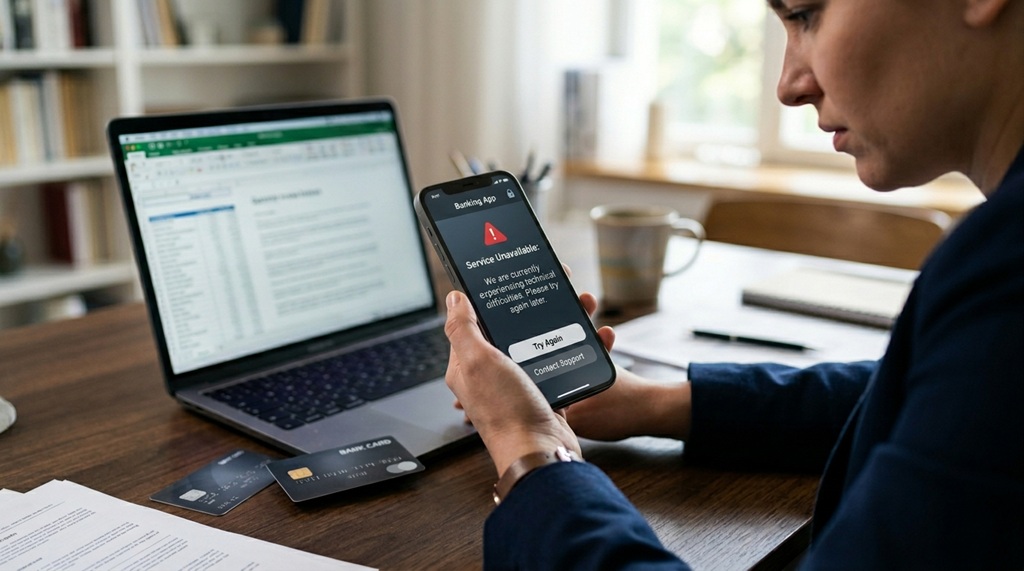
A proposed class action lawsuit targets a major banking outage at Capital One. The lawsuit says customers lost access to their accounts for several days. Many users reported serious problems during the disruption. Customers could not log in to the Capital One mobile banking app. Online banking tools stopped working. Some account holders could not check balances or complete payments.
Plaintiffs claim the outage caused financial harm for many customers. People depend on reliable access to their bank accounts. Digital banking allows users to pay bills, transfer money, and manage daily expenses. The lawsuit argues that Capital One failed to provide stable online banking services during the outage. Some customers say they experienced account lockouts without warning or quick support. Legal disputes like this often involve consumer protection laws. Courts review whether a financial institution maintained reliable digital banking systems. The case now attracts attention because millions of Americans rely on online banking platforms every day.
What Happened During the Capital One Banking Outage
Reports show that many customers lost access to Capital One accounts during a system outage. Users across the United States reported login failures and service interruptions. Customers attempted to access accounts through the mobile banking app. Many saw error messages. Others could not load account dashboards. Online banking portals also failed during parts of the outage. Customers could not review transactions or initiate transfers.
Some users reported that debit card transactions also failed during the disruption. These problems caused concern among account holders who rely on digital banking. Digital banking systems depend on stable infrastructure. Banks operate complex systems that include authentication servers, payment networks, and customer data platforms. System failures in these environments can disrupt services for large numbers of users. Customers often expect immediate access to their funds. Loss of account access can cause stress and financial uncertainty. The outage, therefore, raised serious concerns about service reliability.
Many customers reported the outage on outage-tracking platforms such as Downdetector and social media networks. These platforms often show spikes in error reports when large banking systems experience service interruptions. Reports suggested that the outage affected customers across multiple states, which raised concerns about the reliability of digital banking infrastructure.
Capital One Response to the Banking Outage
Financial institutions typically investigate service outages as soon as system failures appear. Banks rely on technical teams to identify the source of the problem and restore digital services.
During major outages, banks may issue updates through official websites, mobile applications, or customer service channels. These updates inform customers about the outage and the progress of system repairs. Customers often expect clear communication during service disruptions. Transparent updates can help reduce uncertainty and allow customers to plan around temporary service interruptions.
Timeline of the Capital One Account Access Outage
Large service outages often follow a similar pattern. Early login errors usually appear first. Customer complaints increase as more users attempt to access their accounts. Banks then investigate the technical problem before restoring services. This pattern appeared during the Capital One outage as customers reported login failures and account access problems across several digital banking channels. A clear timeline helps explain how the outage developed.
Early Reports
Customers began to report login problems through mobile banking. Some users noticed that account pages did not load.
Service Disruption
More users lost access to their accounts. Online banking tools failed for many customers across the country.
Customer Complaints
Social media reports increased. Many users contacted customer support to report account access issues.
Service Restoration
Capital One worked to restore digital banking systems. Access returned after system repairs.
Legal Action
After the outage, plaintiffs filed a class action lawsuit. The lawsuit claims that the outage harmed customers who relied on digital banking access.
A structured timeline helps readers understand how the outage progressed.
How Many Customers Were Affected by the Capital One Outage
Large banking outages can affect thousands or even millions of customers because digital banking systems operate on centralized infrastructure. When authentication servers or transaction platforms fail, customers across multiple regions may lose account access at the same time.
During the Capital One outage, many customers reported login failures through social media platforms and outage monitoring services. These reports suggested that the disruption affected users across several states. Even a short outage can interrupt bill payments, transfers, and card transactions for a large number of account holders. Banking outages often receive national attention because millions of Americans rely on mobile banking apps and online financial tools to manage daily financial activity.
Why Customers Could Not Access Capital One Accounts
Digital banking outages often result from technical failures inside complex financial systems. Banks operate large networks that manage account authentication and transaction processing.
Possible causes of outages include:
- server failures
- cloud service disruptions
- database synchronization problems
- authentication system errors
Each system plays an essential role in secure account access. Banks must also protect customer data. Security checks can temporarily block systems during abnormal activity. However, extended outages can cause serious disruption for customers who rely on online banking services. Reliable infrastructure, therefore, remains a critical responsibility for financial institutions.
Financial institutions rely on large technology infrastructures that include cloud servers, database systems, and authentication platforms. If one of these systems fails or experiences synchronization errors, customers may temporarily lose access to their accounts. Even a small system disruption can affect thousands of users because modern banking services operate through centralized digital networks. Financial institutions must maintain secure systems that protect customer information while also providing reliable access to accounts. Consumers can review online banking security guidance from the Federal Trade Commission.
Legal Claims in the Capital One Outage Class Action
Plaintiffs claim that the outage violated customer rights under consumer protection law. The lawsuit argues that customers could not access essential banking services for several days. Account access forms the core service of modern digital banking. Customers expect reliable access to balances, transfers, and payment tools.
The complaint states that the outage prevented normal financial activity. Many customers rely on mobile banking for bill payments and daily transactions. The lawsuit may raise several legal claims.
Possible claims include:
- breach of contract
- negligence in system maintenance
- failure to provide reliable digital banking access
- violations of state consumer protection laws
Courts often examine whether a financial institution maintained reasonable system reliability. Banks must operate secure systems that allow customers to access funds without unreasonable interruption. The case focuses on whether the outage resulted from preventable system failures. Plaintiffs also argue that customers suffered financial and personal harm. A court review will determine whether the case can proceed as a class action.
How Class Action Lawsuits Work in Banking Disputes
A class action lawsuit allows one or several plaintiffs to represent a larger group of affected customers. Courts must first decide whether the case qualifies for class certification. Certification means the lawsuit can represent many individuals who experienced similar harm. U.S. courts follow specific procedures when reviewing class action cases and determining whether a lawsuit can represent a larger group of affected individuals.
In banking cases, plaintiffs often argue that a financial institution failed to provide reliable services or violated consumer protection laws. If a court approves class certification, the lawsuit may proceed on behalf of all affected customers. Some cases later resolve through settlement agreements that provide financial compensation or service improvements.
How the Capital One Outage Affected Customers
Many customers depend on digital banking every day. A sudden loss of access can cause serious financial disruption. Customers reported several problems during the outage.
Common issues included:
- inability to view account balances
- failed online payments
- delayed money transfers
- blocked debit card transactions
A missed payment can trigger late fees. A blocked transaction can delay important purchases. Some users also rely on mobile banking to track spending and confirm deposits. Loss of account visibility creates uncertainty about available funds. Banks operate in a highly trusted sector. Customers expect continuous access to financial tools. Service outages, therefore, create concern about reliability and infrastructure strength. Consumer complaints often increase after major banking disruptions. Many customers seek answers about system stability and data security.
Digital banking has become a primary financial tool for many households. Government financial reports show that a large percentage of Americans now rely on mobile banking apps to manage accounts, monitor transactions, and transfer money. A service outage can therefore create significant disruption for customers who depend on constant access to their funds.
Similar Banking Outage Lawsuits in the Financial Industry
Service outages have affected several major financial institutions in recent years. Customers have occasionally filed lawsuits after long disruptions that prevented access to banking services. Similar cases have involved online banking outages, payment system failures, and mobile banking platform errors. Plaintiffs in these lawsuits often argue that banks failed to maintain reliable digital systems or did not respond quickly enough to restore services.
Courts review these cases under consumer protection laws and contract obligations between banks and customers. The outcome of each lawsuit depends on the specific facts surrounding the service disruption.
Previous Legal Issues Involving Capital One
The outage lawsuit does not represent the first legal challenge involving Capital One. A major security incident occurred in 2019. That event exposed personal information from millions of customer accounts. The breach affected credit card applicants and existing customers. Data exposure included personal details such as names and credit information. Authorities later investigated the breach. The case led to legal action and regulatory review.
Large financial institutions often face scrutiny after security or service failures. Courts examine whether a company followed proper security and infrastructure standards. The history of past incidents often shapes public trust in digital banking systems. Many consumers now expect strong cybersecurity protection and stable system performance.
Past incidents involving cybersecurity or service disruptions often increase public scrutiny of financial institutions. Customers expect banks to maintain strong security protections and stable digital systems. When outages or data breaches occur, regulators and courts may review whether the institution followed proper technology and security standards.
What Capital One Customers Should Do After an Account Lockout
Customers who experienced account access problems should take several precautionary steps. First, review account activity once access returns. A quick review can confirm that transactions remain accurate.
Next, check recent payments or scheduled transfers. A failed payment could require manual completion. Customers should also monitor bank alerts and account notifications. These alerts provide updates about system status and security activity.
Credit monitoring can also help protect financial identity. A credit report review can confirm that no unusual activity occurred. Customers who believe the outage caused financial damage may wish to document the event.
Helpful records include:
- screenshots of login errors
- bank notifications about the outage
- records of failed payments
Clear documentation can help support a complaint or dispute. Banks also provide customer support channels that can address unresolved account issues.
How Customers Can Report Banking Service Problems
Customers who experience banking service problems can report the issue through several channels. Many banks provide customer support services that allow users to report account access problems or transaction failures.
Consumers may also file complaints with financial regulators. In the United States, agencies such as the Consumer Financial Protection Bureau (CFPB) accept complaints related to banking services. Regulatory complaints help authorities monitor service reliability and investigate potential violations of consumer protection laws. Reporting service disruptions can help document outages and support consumer protection investigations.
Can Customers Receive Compensation From the Lawsuit
Class action lawsuits often seek financial relief for affected customers. Compensation may depend on several factors. Courts review evidence of financial harm and service disruption.
Possible outcomes in similar cases include:
- reimbursement of bank fees
- compensation for financial losses
- settlement payments for affected customers
Courts may also require changes in corporate practices. Service improvements can reduce the risk of future outages. Many class action cases resolve through settlement rather than trial. Settlement agreements may provide payments to eligible customers. Legal updates will determine whether this case proceeds in court or reaches settlement negotiations. Customers who believe they experienced harm may monitor case developments through public court filings.
Current Status of the Capital One Outage Lawsuit
The Capital One outage lawsuit remains in the early stages of legal review. Courts must first evaluate the claims presented by the plaintiffs. Judges may review whether the case meets the legal requirements for a class action lawsuit.
During this stage, the court may examine evidence related to the outage, customer complaints, and the financial impact on affected account holders. Capital One may also respond to the allegations through legal filings.
If the case proceeds, the court will later decide whether to certify a class of affected customers. Some class action lawsuits eventually reach settlement agreements, while others continue through trial proceedings.
Why Reliable Digital Banking Systems Are Important
Modern banking depends heavily on digital platforms. Millions of customers use mobile apps and online banking portals to manage their finances every day. Reliable banking infrastructure allows customers to check balances, transfer money, pay bills, and monitor transactions at any time. When digital systems fail, customers may temporarily lose access to their funds and financial tools.
Banks, therefore, invest heavily in secure servers, cloud infrastructure, and cybersecurity systems. Stable digital banking platforms help maintain customer trust and support the broader financial system. Federal financial data shows that mobile banking usage continues to grow each year as more customers rely on digital financial services.
FAQs
How do I know if I qualify for a Capital One settlement?
Eligibility depends on the terms of the settlement. A court defines who qualifies. Customers usually receive a notice or can check the official settlement website to confirm eligibility.
How much will people get from a Capital One settlement?
Payment amounts vary in each case. The total settlement fund and the number of approved claims determine the final amount. Some customers may receive small payments, while others may receive higher compensation.
Do people actually receive money from class action settlements?
Yes. Courts approve settlements, and a settlement administrator distributes payments. Eligible customers may receive money through check, direct deposit, or digital payment.
What caused the Capital One outage?
The exact cause of the outage may depend on the technical investigation conducted by Capital One. Banking outages often result from system failures, software errors, or cloud infrastructure disruptions. Large financial platforms operate complex digital systems, and even small technical problems can interrupt online banking services for many users.
Will Capital One refund me if I get scammed?
Capital One may refund unauthorized transactions after a fraud investigation. Customers should report suspicious activity quickly to increase the chance of a refund.
What Happens Next in the Capital One Outage Case
The Capital One outage class action lawsuit will continue through the legal review process. Courts must evaluate the claims made by the plaintiffs and determine whether the case can proceed as a class action. Legal proceedings may include evidence review, motions from both parties, and potential settlement discussions.
Customers who experienced financial problems during the outage may follow case developments through court records or official legal notices. Future updates may clarify whether compensation or service changes will result from the lawsuit.

Sadia Parveen is a content writer at ClassAction24.com who creates informational articles on class action lawsuits, consumer protection matters, and legal developments. Her work focuses on researching public court records, official filings, and reputable news sources, then presenting it in a clear and neutral format for general readers. Her articles follow the ClassAction24.com editorial policy and are reviewed by an editor before publication. She does not provide legal advice or professional legal services.

Musarat Bano serves as an editor at ClassAction24.com. She reviews articles for accuracy, sourcing, clarity, and editorial consistency before publication. She checks that legal claims trace back to public court records, official filings, and reputable news sources, and that reported claims are clearly separated from confirmed facts. Her role is limited to editorial review and presentation, and she does not provide legal advice or professional legal services.