Buddy’s Home Furnishings Lawsuit Detailed Legal Analysis
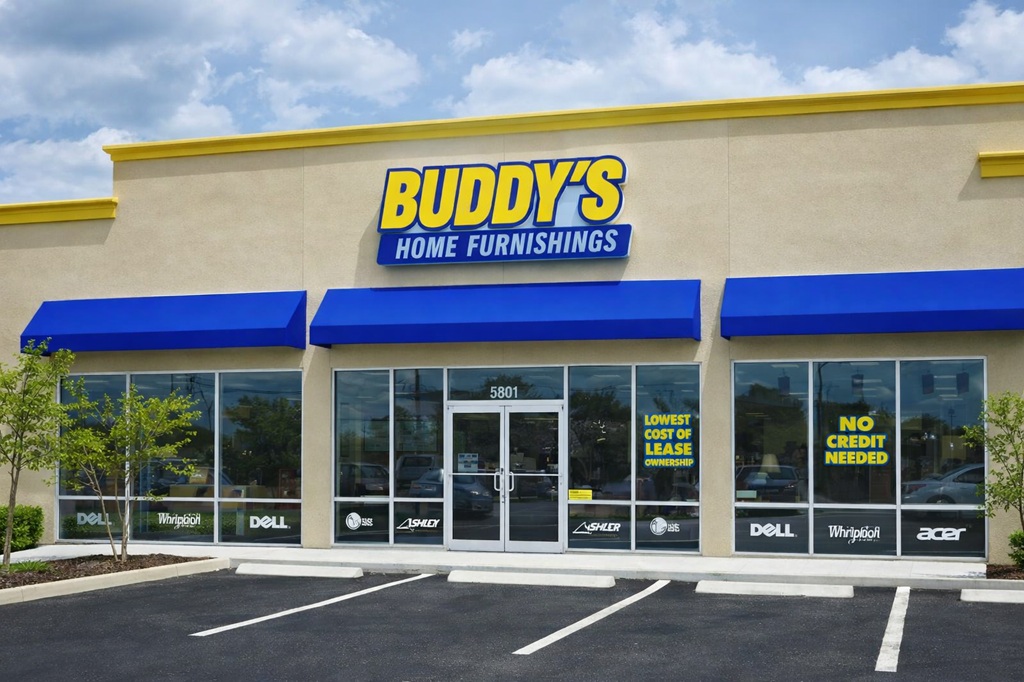
The buddy’s home furnishings lawsuit developed through regulatory enforcement, bankruptcy court rulings, and franchise disputes. Each legal track followed a separate path. Federal regulators focused on competition law. Bankruptcy courts addressed consumer protection issues. Franchise operators raised contractual claims. Buddy’s Home Furnishings operates as a rent-to-own retailer.
Customers enter payment agreements for household goods. Franchise operators manage local stores under licensing agreements. Federal and state laws govern those relationships. Legal scrutiny emerged through documented conduct. Court records and regulatory filings form the foundation of public reporting. Each legal matter stands on its own record.
Federal Trade Commission Enforcement Action
The Federal Trade Commission brought a civil enforcement action against Buddy’s Home Furnishings. The agency relied on authority under Section 5 of the Federal Trade Commission Act. The complaint addressed business conduct rather than consumer billing disputes.
The FTC alleged that Buddy’s engaged in reciprocal purchase agreements with competing rent-to-own companies. The agreements involved store closures and transfers of rental contracts. Non-compete restrictions appeared within those arrangements. Regulators stated that such conduct could reduce local competition.
The enforcement action focused on market structure. Regulators examined how agreements affected entry and expansion. The FTC argued that reduced competition could limit consumer choice. The complaint did not allege fraud or product defects.
A consent order resolved the FTC matter. Buddy’s agreed to stop the challenged practices. The resolution included compliance obligations. The order did not require an admission of wrongdoing.
Legal Meaning of Reciprocal Purchase Agreements
Reciprocal purchase agreements involve mutual transactions between competitors. Antitrust law scrutinizes such arrangements. Regulators assess whether agreements restrict competition. Rent-to-own markets often operate at a local level. Fewer competitors can reduce options for consumers.
The FTC complaint stated that the agreements lacked sufficient justification. The agency focused on market effects rather than pricing. Civil antitrust enforcement aims to prevent future conduct. Remedies often involve injunctive relief. Consent orders serve as compliance tools.
Bankruptcy Litigation and Consumer Protection Findings
Bankruptcy courts later addressed separate conduct involving Buddy’s Home Furnishings. Court records show disputes related to post-petition collections. Federal bankruptcy law protects debtors after filing. The automatic stay halts collection activity. Creditors must cease payment demands. Courts enforce the stay strictly.
A bankruptcy judge ruled that Buddy’s violated the automatic stay in specific cases. The ruling addressed post-petition payments. The court ordered corrective relief based on verified violations. The ruling applied to defined transactions rather than general business practices.
Impact of Bankruptcy Law on Rent-to-Own Customers
Bankruptcy law provides broad protections. Debtors gain relief from collection pressure. Creditors face penalties for violations. Rent-to-own agreements remain subject to bankruptcy rules. Courts examine creditor conduct closely. Remedies depend on the evidence presented to the court.
Judicial findings in the Buddy’s matter reinforced debtor protections. Courts emphasized compliance obligations. The rulings did not invalidate rent-to-own contracts as a category.
Franchise Group Corporate Bankruptcy
Buddy’s Home Furnishings operated under the ownership of Franchise Group, Inc. The parent company entered Chapter 11 bankruptcy protection in federal court. The bankruptcy case covered several retail brands within the corporate group. The proceeding placed Buddy’s under court-supervised restructuring. Franchise Group faced financial distress tied to debt obligations and operational pressure. The Chapter 11 process allowed continued operations under judicial control. The court oversaw asset management and creditor treatment. Corporate governance shifted under restructuring rules. Ownership interests faced review under bankruptcy law.
Franchise relationships moved under bankruptcy oversight as a result. Court approval became necessary for payments tied to pre-bankruptcy obligations—settlement agreements faced review under federal bankruptcy standards. Escrow arrangements became subject to court interpretation: payment timing and priority rules controlled distribution. Former Buddy’s franchise operators filed claims within the bankruptcy case. The claims focused on unpaid settlement amounts held in escrow. Franchisees relied on prior agreements executed before the bankruptcy case. The dispute centered on entitlement to remaining funds. Bankruptcy law required judicial review of those claims.
The bankruptcy court evaluated franchisee claims under contract terms and priority rules. Creditors competed for the limited estate assets. The court assessed whether escrowed funds belonged to the estate or specific claimants. Public filings show contested positions on payment rights. No public ruling resolved all franchisee claims at the time of reporting. The litigation continued through formal motions and objections. The bankruptcy process required detailed documentation. Each claim depended on written agreements and payment history.
The Franchise Group bankruptcy reshaped Buddy’s franchise landscape. Court supervision limited the independent resolution of disputes. Franchise operators faced delays tied to the judicial process. The outcome remained dependent on court determinations rather than private negotiation.
Franchisee Settlement and Escrow Disputes
Franchise litigation often centers on negotiated settlements. Escrow arrangements serve as payment safeguards. Bankruptcy proceedings disrupt normal enforcement paths. Court supervision replaces private resolution once a Chapter 11 case begins. Former Buddy’s franchisees pursued recovery of unpaid settlement balances. The claims focused on funds held in escrow before the bankruptcy filing. Franchisees asserted contractual rights created under prior settlement agreements. Payment expectations relied on written terms rather than future performance.
Bankruptcy filings placed those escrow funds under judicial scrutiny. Courts examined ownership of the funds. Priority rules governed distribution. Contract language determined whether escrowed amounts belonged to the bankruptcy estate or specific claimants. The United States Bankruptcy Court for the District of Delaware reviewed the competing positions. Judges assessed settlement documents and escrow instructions. Objections followed from other creditors. Each objection argued for different priority treatment.
Court records show contested interpretations of payment rights. Franchisees argued that escrow funds fell outside estate property. Other parties asserted estate control over remaining balances. Bankruptcy law required the strict application of priority and disclosure rules. Public filings do not show a final court order resolving every franchise claim.
Motions and responses remain part of the docket. The litigation proceeds through structured briefing rather than negotiation. Resolution depends on judicial findings rather than settlement leverage. The escrow disputes reflect broader risks in franchise restructuring. Bankruptcy law can delay or alter settlement recovery. Franchise operators face uncertainty until courts issue binding rulings.
Franchise Law Considerations
Franchise agreements create binding obligations for franchisors and franchisees. Contract terms govern fees, territory rights, branding control, and termination rules. Financial distress increases exposure under those agreements. Bankruptcy proceedings place every obligation under legal review. Franchise law requires strict compliance with disclosure and performance duties. Courts examine whether contractual promises matched actual conduct. Written agreements control most outcomes. Payment schedules, notice provisions, and cure rights receive close attention during disputes.
Bankruptcy proceedings heighten scrutiny of franchise relationships. Court oversight limits unilateral action by the franchisor. Approval becomes necessary for settlement payments, contract assumptions, or rejections. Franchisees lose the ability to rely on private enforcement during restructuring. Judicial review focuses on documentary evidence. Courts analyze franchise agreements line by line. Payment histories carry significant weight. Settlement language controls escrow rights and release scope. Priority rules determine recovery timing.
Franchise disputes often turn on narrow facts. Individual store performance matters. Separate agreements can produce different outcomes. Courts avoid broad conclusions about entire franchise systems. Public records do not show any ruling that declared Buddy’s franchise system unlawful. Courts addressed specific disputes tied to defined contracts. Legal exposure varied across franchise operators. Each claim depended on its own agreement and factual record.
Franchise law in bankruptcy favors precision over generalization. Judicial outcomes follow contract language. Franchise operators face risk tied to documentation quality. Court supervision replaces informal resolution during financial restructuring.
Consumer Rights and Legal Boundaries
Consumer protection law governs rent-to-own transactions. Bankruptcy law adds additional safeguards. Courts enforce those protections through remedies. The lawsuits did not establish widespread consumer fraud.
Regulatory action focused on competition. Bankruptcy rulings addressed defined violations. Consumers retain rights under federal law. Remedies require documented proof.
Regulatory Oversight of the Rent-to-Own Industry
Federal agencies monitor rent-to-own practices. Competition law applies to franchise systems. Bankruptcy courts enforce debtor protections.
The Buddy’s litigation reflects broader regulatory trends. Enforcement actions shape industry standards. Compliance obligations continue beyond settlements.
Current Legal Status
Public records show no active nationwide class action against Buddy’s Home Furnishings. Federal enforcement actions resolved. Bankruptcy litigation continues through formal court processes.
Legal developments remain subject to court rulings. Ongoing monitoring of filings remains necessary.
Key Legal Takeaways
The buddy’s home furnishings lawsuit demonstrates antitrust enforcement and bankruptcy protections in action. Regulatory agencies focused on market conduct. Courts enforced consumer rights.
Legal outcomes relied on evidence. Each dispute followed a separate legal framework. Franchise operators and consumers faced distinct issues. Legal guidance remains essential in ongoing matters.
FAQs
Can Buddy’s furniture file criminal charges?
Buddy’s Home Furnishings cannot file criminal charges. Law enforcement agencies decide criminal matters. The company may report concerns to authorities.
What is Buddy’s Home Furnishings?
Buddy’s Home Furnishings operates as a rent-to-own retailer. Customers lease furniture, appliances, and electronics through recurring payments. Ownership transfers after full payment.
Who owns Buddy’s Home Furnishings?
Buddy’s Home Furnishings has operated under Franchise Group, Inc. Ownership and control changed during bankruptcy restructuring. Court supervision governed those changes.
Does Buddy’s furniture report to credit?
Buddy’s Home Furnishings does not always report to credit bureaus. Reporting depends on account status and contract terms. Collection activity may appear through third parties.

Sadia Parveen is a content writer at ClassAction24.com who creates informational articles on class action lawsuits, consumer protection matters, and legal developments. Her work focuses on researching public court records, official filings, and reputable news sources, then presenting it in a clear and neutral format for general readers. Her articles follow the ClassAction24.com editorial policy and are reviewed by an editor before publication. She does not provide legal advice or professional legal services.

Musarat Bano serves as an editor at ClassAction24.com. She reviews articles for accuracy, sourcing, clarity, and editorial consistency before publication. She checks that legal claims trace back to public court records, official filings, and reputable news sources, and that reported claims are clearly separated from confirmed facts. Her role is limited to editorial review and presentation, and she does not provide legal advice or professional legal services.