BBQ Sauce Burn Lawsuit: Texas Jury Verdict Spurs New Claims Against Bill Miller Bar-B-Q
Texas—A wave of personal-injury lawsuits tied to allegedly dangerously hot barbecue sauce has put a Texas restaurant chain under renewed scrutiny after a Bexar County jury returned a verdict of about $2.8 million in favor of a young customer. The decision has drawn broader attention to food-service temperature practices and has been followed by additional lawsuits, including a claim filed on behalf of a 4-year-old child, all naming Bill Miller Bar-B-Q as the defendant.
The lawsuits are being handled as separate individual actions, not as a class action or consolidated proceeding. To date, only one case has been decided by a jury, while the remaining claims are still pending and consist solely of allegations that have not yet been tested in court.
Jury awards $2.8M in Genesis Monita case
The first lawsuit to proceed to trial involved Genesis Monita, who was 19 at the time of the incident. Court records and trial testimony show the event occurred in May 2023 at a drive-through location in Bexar County. Monita testified that after receiving her order, she reached into a takeout bag to remove a container of barbecue sauce. She said the container was too hot to hold safely, slipped from her hand, and spilled onto her thigh.
Medical evidence presented during the trial detailed a second-degree burn that required treatment and ultimately left permanent scarring. Jurors reviewed photographs, medical records, and testimony describing the extent of the injury and its lasting effects. The plaintiff argued the injury went beyond the ordinary risks associated with hot food and instead resulted from excessive heat and unsafe handling.
A central dispute at trial focused on temperature and service standards. Witnesses testified that company policy required barbecue sauce to be maintained at a minimum of 165 degrees Fahrenheit. The plaintiff, however, introduced evidence suggesting the sauce measured approximately 189 degrees at the time it was served. Attorneys for Monita argued the higher temperature, combined with the type of container used, created an unreasonable risk of serious burns.
After hearing the evidence, the jury concluded that the conduct amounted to gross negligence. The panel awarded damages covering medical expenses and pain and suffering, along with a significant punitive damages component, bringing the total verdict to about $2.8 million. The defendant has stated it may seek appellate review, though no appeal decision has been issued as of the latest reporting.
Second lawsuit seeks $1M over alleged spill
Following the jury verdict in the Monita case, a second lawsuit was filed by Angelica Ochoa, raising similar allegations against the restaurant chain. According to the complaint, the incident occurred in October 2023 at a San Antonio location. Ochoa alleges that a container of barbecue sauce was served at an excessively high temperature, causing the plastic lid seal to loosen or fail.
The lawsuit states that the sauce spilled onto Ochoa’s clothing, resulting in second-degree burns. Court filings further allege that the heat was sufficient to damage her jeans and that the injuries required medical treatment. Ochoa contends that the temperature of the sauce and the container used for service created an unreasonable risk to customers.
Ochoa is seeking $1 million in damages, citing medical expenses, physical pain, emotional distress, and alleged disfigurement. The case has not yet gone to trial. It remains pending, and the allegations have not been tested or resolved by a court.
The third filing involves burn injuries to a child
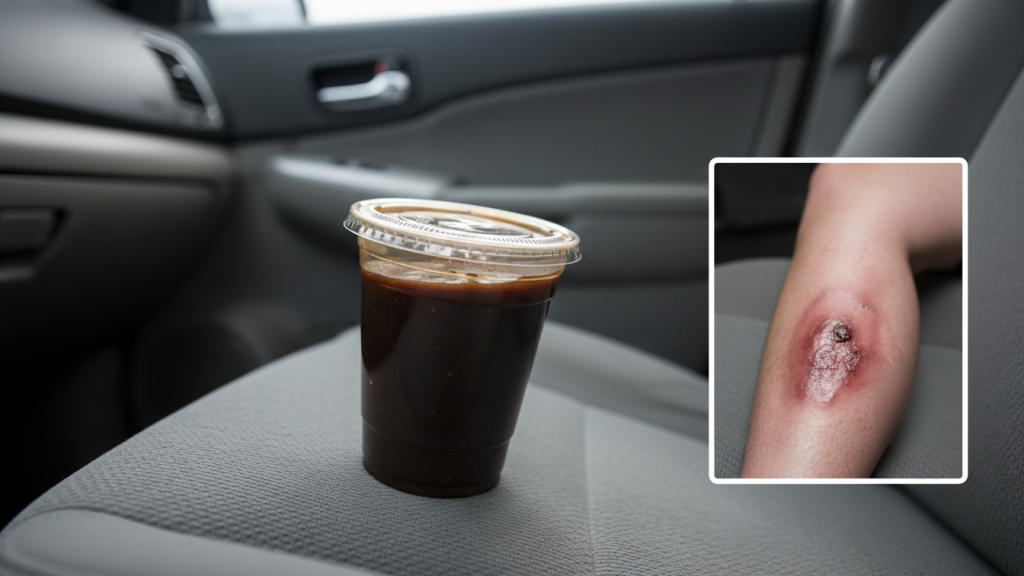
In June 2025, a third lawsuit was reported after Rose Roque filed suit on behalf of her 4-year-old son, according to local court filings. The complaint alleges the incident occurred in May 2024 at a San Antonio-area location, where an employee allegedly placed an uncovered container of hot barbecue sauce on a tray during service.
The lawsuit claims the container tipped or spilled, allowing hot sauce to come into contact with the child and cause second-degree burns, including injuries to the face. The filing asserts the child suffered lasting harm and alleges permanent scarring as a result of the incident. Attorneys for the family argue that the method of service and the temperature of the sauce created a foreseeable risk, particularly in the presence of a minor.
The family is seeking $1 million in damages for medical expenses, pain and suffering, and alleged long-term disfigurement. The defendant has not admitted liability, and the case remains pending. As with the other post-verdict filings, the allegations have not yet been adjudicated by a court.
Legal focus: temperature, warnings, and foreseeability
Across the filings, plaintiffs rely on a consistent set of legal theories that center on how hot the barbecue sauce was served and how it was handled. The lawsuits argue that the sauce was maintained at a temperature that exceeded what an ordinary customer would reasonably expect, transforming a routine food item into a burn hazard rather than a normal service risk.
Another key issue involves packaging and handling practices. Plaintiffs allege that the type of containers used, along with whether lids were properly secured or containers were left uncovered, increased the likelihood of spills. Several filings also contend that warnings were inadequate or insufficiently visible, leaving customers unaware of the level of risk when handling the sauce.
Foreseeability plays a central role in the claims. Attorneys point to alleged prior burn incidents as evidence that similar injuries were predictable and that additional precautions should have been taken. In response, defense arguments have focused on compliance with food-service temperature standards, the widely understood risks associated with hot food, and disputes over the damages claimed.
Company response and safety measures
After the jury verdict, reports indicate the restaurant chain implemented more prominent “hot contents” warnings on menus and takeout packaging. The added language is intended to alert customers that certain items, including barbecue sauce, may be served at elevated temperatures and require careful handling.
In litigation, such post-incident safety measures are common and are generally viewed as risk-management steps rather than acknowledgments of wrongdoing. While these changes do not constitute an admission of liability, courts and juries may still consider the timing and context of the measures when evaluating whether earlier precautions were reasonable under the circumstances.
No class action; cases proceed individually
Despite heightened public attention, the lawsuits involving the barbecue sauce burn allegations are individual personal-injury actions, not a class action or consolidated proceeding. Each filing has been brought separately by the injured party or, in the case involving a minor, by a parent acting on the child’s behalf.
As a result, no single ruling controls the outcome of the other cases. Liability, damages, and any potential verdicts will depend on the specific facts, evidence, and witness testimony presented in each matter, as well as how a judge or jury evaluates those claims.
What’s next
Appeal posture: The $2.8 million verdict returned in the Genesis Monita case remains subject to potential appellate review. While the defendant has signaled that an appeal may be pursued, no appellate court has issued a ruling, and the judgment currently stands.
Pretrial proceedings: The lawsuits filed after the verdict, including the claims brought by Angelica Ochoa and by Rose Roque on behalf of her child, are still in early procedural stages. No trial dates have been announced, and the allegations in those cases have not yet been tested through dispositive motions or jury proceedings.
Industry impact: The litigation has drawn attention beyond Texas, as restaurant operators nationwide monitor how courts assess hot-food service temperatures, container design, and warning practices. The outcome of the pending cases may influence risk management and food-handling policies across the industry.
For now, the BBQ sauce burn lawsuit refers to a developing series of Texas cases—one resolved by a jury verdict and others awaiting judicial review—underscoring how temperature control, packaging, and warnings can carry substantial legal consequences.
FAQs
Will barbecue sauce burn at 250?
Yes. Liquids at 250°F can cause severe burns within seconds upon skin contact. In food-service settings, temperatures far below that level can still result in second-degree burns, depending on exposure time and volume.
Why did Bill Miller get sued?
Customers sued Bill Miller Bar-B-Q, alleging that barbecue sauce was served at dangerously high temperatures, combined with inadequate containers or warnings, leading to serious burn injuries.
What was Bill Miller’s verdict?
A Texas jury awarded approximately $2.8 million to a customer, Genesis Monita, after finding gross negligence related to hot barbecue sauce service. The verdict included punitive damages. An appeal may still occur.
How unhealthy is barbecue sauce?
From a nutrition standpoint, barbecue sauce is typically high in sugar and sodium but is not considered unsafe when consumed normally. The lawsuits focus on burn injury risk from heat, not nutritional health concerns.

Sadia Parveen is a content writer at ClassAction24.com who creates informational articles on class action lawsuits, consumer protection matters, and legal developments. Her work focuses on researching public court records, official filings, and reputable news sources, then presenting it in a clear and neutral format for general readers. Her articles follow the ClassAction24.com editorial policy and are reviewed by an editor before publication. She does not provide legal advice or professional legal services.

Musarat Bano serves as an editor at ClassAction24.com. She reviews articles for accuracy, sourcing, clarity, and editorial consistency before publication. She checks that legal claims trace back to public court records, official filings, and reputable news sources, and that reported claims are clearly separated from confirmed facts. Her role is limited to editorial review and presentation, and she does not provide legal advice or professional legal services.