Ridgeline Heights Colorado Lawsuit: The Property Dispute That Turned a Quiet Creek Into a Legal Battle
The Ridgeline Heights, Colorado, lawsuit became a widely discussed property rights dispute after a Colorado homeowner found dozens of people using her backyard creek as if it were public land. What began as a peaceful home purchase near a quiet stream quickly turned into a legal fight involving prescriptive easement claims, adverse possession arguments, and questions about real estate disclosure.
The controversy drew attention across Colorado because it highlights a problem that many property owners rarely consider. In some cases, long-term public use of land can lead to legal access rights, even when the land appears to be privately owned. The Ridgeline Heights dispute shows how easily a real estate transaction can turn into a complex legal battle.
This article explains what happened in the Ridgeline Heights, Colorado lawsuit, who was involved, the legal arguments presented, and how the dispute was eventually resolved.
What Is the Ridgeline Heights Colorado Lawsuit?
The Ridgeline Heights, Colorado, lawsuit refers to a property dispute involving a homeowner near Kittredge, Colorado, where a creek located on private property had been used by members of the public for decades.
When the property changed ownership, the new owner attempted to restrict access to the land. However, residents claimed that the creek area had long been treated as part of a nearby public park. The disagreement escalated into a legal dispute over whether the public had gained rights to the land through long-term use.
At the center of the controversy were two legal doctrines commonly seen in property disputes:
- Prescriptive easement
- Adverse possession
Both concepts allow certain rights to develop when land has been used openly for a long period of time.
How the Property Dispute Began
The story behind the Ridgeline Heights dispute began in January 2021, when a couple purchased a five-bedroom home located near a small creek in the Kittredge area.
According to reports about the case:
- The property sold for approximately $840,000
- The buyers paid about $40,000 above the asking price
- The creek behind the home was highlighted as a peaceful feature of the property
From a buyer’s perspective, the purchase appeared straightforward. The creek and surrounding land seemed to be part of a quiet residential property. However, the situation changed soon after the new owners moved in.
Residents Continued Using the Creek as Public Space
Shortly after moving into the home, the owners began noticing strangers entering the property. Many local residents believed the creek area was connected to nearby Kittredge Park, and they continued using the space as they had done for many years.
Reports about the dispute described activities such as:
- Fishing in the creek
- Setting up chairs and umbrellas
- Walking along the water
- Gathering in groups near the stream
In some instances, dozens of people were present on the property at the same time. For the homeowner, this created serious privacy and safety concerns. Despite the presence of fencing, visitors continued entering the land because many believed the creek had always been open to the public.
Attempts to Stop Trespassing
The homeowner attempted several steps to stop unauthorized access to the property.
Actions reportedly included:
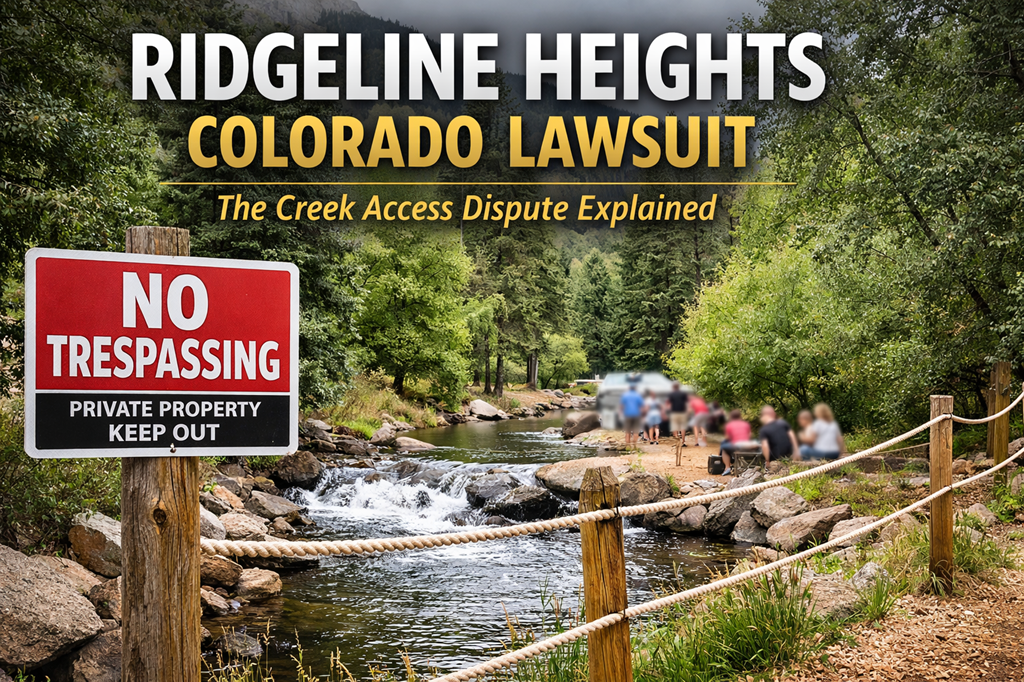
- Installing “No Trespassing” signs
- Speaking with individuals entering the land
- Requesting assistance from local authorities
However, these measures did not solve the problem. Instead, tensions increased between the homeowner and people who believed they had the right to use the creek.
Some accounts of the dispute mentioned incidents of:
- Arguments between visitors and the homeowner
- Damage to property
- Continued entry despite warning signs
The disagreement soon moved beyond a neighborhood conflict and entered the legal system.
The County’s Legal Claim: Prescriptive Easement
The dispute escalated when local government authorities became involved. The county argued that a portion of the property had effectively become public access land through long-term use.
Two legal concepts formed the basis of the claim.
Prescriptive Easement
A prescriptive easement allows someone to gain legal rights to use another person’s land if the use has been:
- Open
- Continuous
- Not hidden
- Maintained for many years
In many states, including Colorado, this type of claim often requires at least 18 years of continuous use. Legal definitions and explanations can be found through the Legal Information Institute at Cornell Law School. Because residents had reportedly used the creek for more than three decades, the county argued that the public had acquired legal access rights.
Adverse Possession
Another legal argument referenced in the dispute involved adverse possession. Adverse possession occurs when someone occupies or uses land for a long period while meeting specific legal requirements. If those requirements are satisfied, the person using the land may eventually gain ownership rights.
More details about the adverse possession law can be found at law.cornell.edu.
Although adverse possession cases are relatively rare, they sometimes arise when property boundaries have been unclear for many years.
Social Media Attention Changed the Case
The dispute gained widespread attention after the homeowner began sharing her experience on TikTok. Videos describing the conflict quickly attracted a large audience online.
Many viewers expressed support for the homeowner and questioned how someone could face legal trouble over land they had legally purchased.
Within a short period:
- The account gained hundreds of thousands of followers
- Videos discussing the dispute circulated widely
- Media outlets began covering the story
Public attention often influences how quickly property disputes move toward resolution. In this case, the increased visibility helped bring the parties to the negotiating table.
Settlement Reached in 2023
After months of legal tension, the dispute eventually ended in a settlement agreement reached in May 2023. The agreement included several key terms designed to resolve the access issue while protecting most of the homeowner’s property.
Settlement Terms
According to reports about the resolution:
- Approximately 0.099 acres of land near the creek were sold to the county
- The county paid about $250,000 for that portion of the property
- A fence and rope boundary system was installed to separate public and private areas
- The homeowner retained about 70 percent of the original property
The agreement allowed public access to continue along a clearly defined area of the creek while preserving the homeowner’s privacy and property rights.
Additional Legal Action Against Former Owners
After resolving the dispute with the county, the homeowner reportedly filed another lawsuit involving the property transaction itself. The claim focused on real estate disclosure requirements.
In many states, sellers must disclose known issues that could affect the value or use of a property. If a seller fails to reveal information about ongoing disputes or public access problems, the buyer may pursue legal action.
Reports about the case indicated that the homeowner filed a claim against the previous owners for failing to disclose the long-standing public use of the creek. The details of that matter were later resolved through a confidential settlement.
Similar Property Disputes in Colorado
The Ridgeline Heights case is not the only land dispute to attract attention in Colorado. Property conflicts involving government agencies and private landowners have appeared in several other cases.
One widely discussed example involved an elderly property owner who challenged a government attempt to use part of her land for transportation infrastructure. After a legal battle, a jury reportedly awarded millions of dollars in compensation.
Other disputes have involved:
- Agricultural land access conflicts
- Highway development property claims
- Easement disagreements between landowners and municipalities
These cases highlight the importance of understanding property boundaries and historical land use.
Legal Lessons From the Ridgeline Heights Dispute
The Ridgeline Heights, Colorado, lawsuit offers several important lessons for property buyers and homeowners.
Investigate Property History Carefully
A property’s past use can affect ownership rights. Buyers should examine:
- Local land records
- Historical property access
- Easement documents
- Neighbor usage patterns
Understand Easement Laws
Prescriptive easements can arise when land has been used openly for many years. Property owners may need legal advice to understand how these laws apply.
Review Disclosure Documents Thoroughly
Real estate transactions typically require sellers to reveal known issues that could affect property value or ownership rights.
Address Disputes Early
If unauthorized use of property begins, addressing the issue quickly can prevent larger legal problems later.
Why the Ridgeline Heights Case Became So Popular
The dispute gained national attention because it raised a question many homeowners find surprising:
Can someone lose access to part of their property simply because others have used it for a long time?
For many people, the idea that decades of public use could create legal access rights seemed unexpected. Social media coverage helped turn the Ridgeline Heights dispute into a widely discussed example of how complicated property law can become. The case also highlighted the emotional and financial stress that legal disputes can place on homeowners.
FAQs
What Is the 35 Acre Rule in Colorado?
The 35-acre rule in Colorado means land parcels that are 35 acres or larger are usually exempt from many county subdivision regulations. This allows owners of large rural properties to divide or transfer land with fewer approvals. However, local zoning laws, building codes, and environmental rules may still apply.
What Assets Are Protected in a Lawsuit in Colorado?
Colorado law protects certain assets from creditors during lawsuits or judgments. Protected assets may include home equity under the homestead exemption, retirement accounts, Social Security benefits, workers’ compensation payments, and some personal property. These protections help ensure individuals can keep essential financial resources.
How Many People Are Needed for a Class Action Lawsuit in Colorado?
Colorado law does not require a specific number of people for a class action lawsuit. Courts approve class actions when the group is large enough that individual lawsuits would be impractical and when members share similar legal claims.
What Is the Homestead Exemption in Colorado?
The Colorado homestead exemption protects part of a homeowner’s primary residence from creditors. Currently, it generally protects up to $250,000 in home equity, or $350,000 for elderly or disabled homeowners, helping prevent people from losing their homes due to certain legal judgments.
Final Thoughts
The Ridgeline Heights, Colorado, lawsuit shows how complicated property ownership can become when land has a long history of public use. What began as a routine home purchase quickly turned into a legal battle involving easement claims and real estate disclosure issues.
While the dispute was eventually settled, the case serves as a reminder that property boundaries and historical access rights can sometimes lead to unexpected legal challenges. For homeowners and property buyers, understanding local land laws and investigating a property’s history may help prevent similar conflicts in the future.

Sadia Parveen is a content writer at ClassAction24.com who creates informational articles on class action lawsuits, consumer protection matters, and legal developments. Her work focuses on researching publicly available information and presenting it in a clear and neutral format for general readers. She does not provide legal advice or professional legal services.

Musarat Bano serves as an editor at ClassAction24.com. She reviews articles for clarity, structure, and editorial consistency to ensure content remains factual, neutral, and suitable for informational publishing. Her role is limited to editorial review and presentation.