Roundup Lawsuit 2026 Update: Settlement Amounts, Supreme Court Case, Eligibility & Latest News
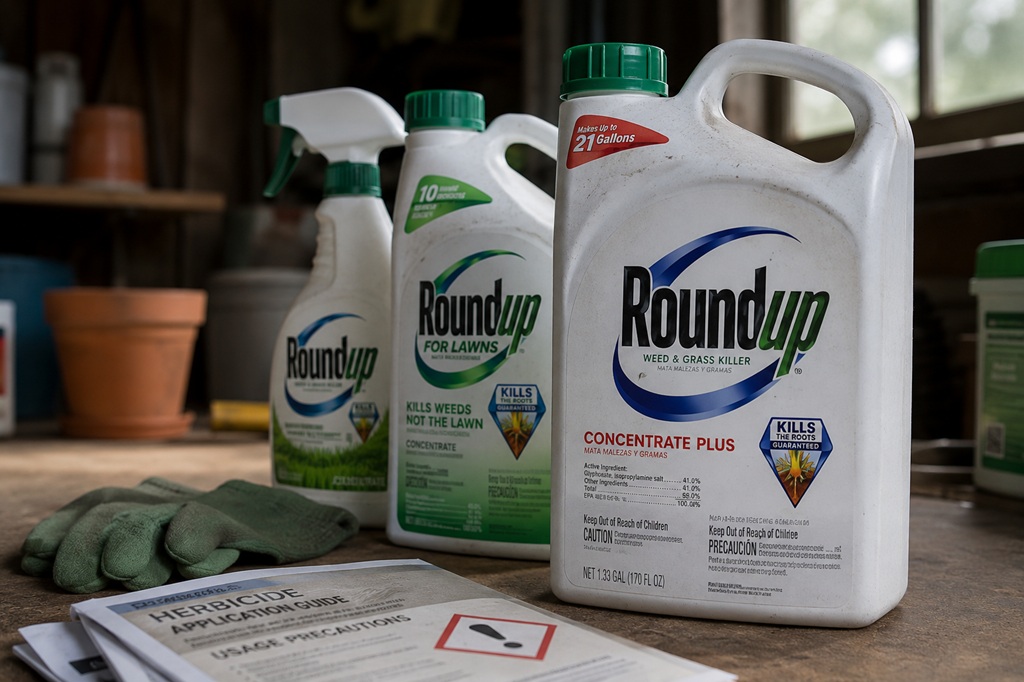
The Roundup lawsuit remains one of the largest mass tort litigations in American history. Thousands of lawsuits still remain active across the United States. Bayer continues to face legal pressure over claims that glyphosate exposure caused cancer after long-term use of Roundup weed killer.
Federal courts, state courts, plaintiffs, regulators, scientists, and product liability lawyers continue to debate major legal and scientific questions tied to glyphosate safety. The litigation now involves settlement negotiations, multidistrict litigation proceedings, Supreme Court review, future cancer claims, and federal warning-label disputes.
Reuters and multiple court filings reported that Bayer still faced tens of thousands of unresolved claims in 2026. The company also proposed a multibillion-dollar settlement framework designed to reduce future litigation exposure.
Many people still search for clear answers about the Roundup lawsuit. Some want to know whether they qualify to file a claim. Others search for settlement amounts, cancer eligibility, filing deadlines, Supreme Court developments, or the latest Bayer litigation updates. This guide explains the latest Roundup lawsuit developments in simple language.
What Is the Roundup Lawsuit?
The Roundup lawsuit is a mass tort litigation against Monsanto and Bayer. Plaintiffs claim long-term exposure to glyphosate-based Roundup weed killer caused cancers such as non-Hodgkin’s lymphoma. Most lawsuits argue that Monsanto failed to warn consumers about possible cancer risks linked to glyphosate exposure. Bayer acquired Monsanto in 2018 and later inherited the litigation.
Roundup became one of the most widely used herbicides in the world. Farmers, agricultural workers, landscapers, groundskeepers, and home gardeners used the product for decades. The controversy intensified in 2015 after the International Agency for Research on Cancer (IARC) classified glyphosate as “probably carcinogenic to humans.” Plaintiffs later used that classification as a major part of failure-to-warn lawsuits.
The Environmental Protection Agency (EPA) reached a different conclusion. EPA officials continue to state that glyphosate does not likely create cancer risk under approved use conditions. That disagreement became central to the litigation.
Plaintiffs rely on toxicology studies, epidemiology research, internal Monsanto documents, and expert testimony that suggest possible cancer risks tied to long-term glyphosate exposure. Bayer strongly disputes those claims and continues to defend Roundup in court.
Roundup Lawsuit Timeline
The litigation developed over many years. Several major events shaped the current legal battle.
| Year | Major Event |
|---|---|
| 2015 | IARC classified glyphosate as probably carcinogenic to humans |
| 2016 | Large waves of product liability lawsuits began |
| 2018 | Bayer acquired Monsanto |
| 2018 | First major California jury verdict awarded millions against Monsanto |
| 2020 | Bayer announced major settlement efforts |
| 2022–2025 | Federal and state court battles continued |
| 2026 | Supreme Court review and settlement scrutiny intensified |
The litigation now includes federal multidistrict litigation, state lawsuits, settlement negotiations, and appeals.
Latest Roundup Lawsuit Update in 2026
The Roundup litigation entered another critical stage in 2026. Federal judges now review a proposed settlement structure that could affect both current and future claims. Reuters and legal analysts reported that Bayer proposed a settlement framework worth roughly $7.25 billion. The proposal attempts to reduce future litigation risks while resolving thousands of unresolved lawsuits.
However, critics raised several concerns. One major issue involves future cancer claimants. Many people used Roundup years ago, but still have no cancer diagnosis. Some plaintiffs’ attorneys argue that future users may lose important legal rights under broad settlement agreements.
Another major issue involves attorney compensation. Reports connected to settlement proceedings showed that lawyers involved in the litigation requested hundreds of millions of dollars in legal fees. That issue received national attention because of the massive size of the litigation.
Federal courts also continue to review whether proposed settlement provisions remain fair under mass tort and product liability law. Meanwhile, Bayer still faces lawsuits in both federal multidistrict litigation and state courts. Missouri and California remain two of the most active jurisdictions tied to Roundup claims.
What Is the Roundup MDL?
The Roundup multidistrict litigation, often called the Roundup MDL, is a federal court process that combines similar lawsuits before one judge. MDL stands for multidistrict litigation. Federal courts use MDLs to manage large groups of similar product liability cases more efficiently. Plaintiffs still maintain separate lawsuits, but pretrial proceedings become centralized.
The Roundup MDL includes thousands of claims involving allegations that glyphosate exposure caused cancer. Bellwether trials played a major role during earlier stages of the litigation. Courts used those early cases to help both sides evaluate legal risks and possible settlement values. Large jury verdicts against Monsanto increased settlement pressure on Bayer.
Roundup Supreme Court Case Explained
The Supreme Court case may determine whether federal pesticide law blocks state-level Roundup warning lawsuits. Bayer asked the U.S. Supreme Court to review whether federal pesticide regulations preempt many state failure-to-warn claims. That legal issue sits at the center of the litigation.
Bayer argues that federal regulators already approved Roundup warning labels under federal pesticide law. The company claims that states should not impose additional warning requirements beyond federal approval standards. Plaintiffs disagree.
Plaintiffs argue that federal approval does not eliminate a company’s duty to warn consumers about possible product dangers under state product liability law. Courts across the country reached different conclusions on federal preemption over the years. That legal conflict eventually pushed the dispute toward Supreme Court review. The outcome could affect thousands of lawsuits.
A Bayer victory could weaken many future failure-to-warn claims tied to Roundup and other regulated products. A plaintiff victory could strengthen settlement pressure and allow lawsuits to continue at full strength.
Product liability lawyers, pharmaceutical companies, pesticide manufacturers, insurers, and regulatory experts continue to monitor the case closely. The ruling could influence future warning-label disputes beyond the pesticide industry.
Verified Facts vs Allegations
Verified Facts
- Bayer owns Monsanto
- Roundup lawsuits exist across the United States
- EPA continues to support glyphosate safety under approved use conditions
- IARC classified glyphosate as probably carcinogenic to humans
- Federal and state courts continue to handle active Roundup litigation
- Supreme Court review became a major issue in the litigation
Allegations Made by Plaintiffs
- Long-term glyphosate exposure caused cancer
- Monsanto failed to warn consumers adequately
- Monsanto knew about possible risks for years
- Roundup exposure contributed to non-Hodgkin lymphoma and related blood cancers
Bayer denies those allegations.
Who Qualifies for a Roundup Lawsuit?
Many people still qualify to file a Roundup lawsuit in 2026. Eligibility usually depends on several important factors, including cancer diagnosis, exposure history, length of product use, medical evidence, and filing deadlines under state law. Most lawsuits involve repeated long-term exposure to Roundup weed killer over several years.
Agricultural workers, landscapers, groundskeepers, gardeners, and farm workers frequently appear in litigation because they often handle glyphosate-based products regularly during work. Some home gardeners also filed successful claims after years of residential Roundup use.
Lawyers usually review several types of evidence before evaluating a case. Medical records, pathology reports, employment history, exposure details, purchase receipts, and witness statements may help support a claim. Timing also remains extremely important because every state uses different statutes of limitation. Delays after a cancer diagnosis may affect a person’s legal rights and ability to file a lawsuit.
What Cancers Are Linked to Roundup Lawsuits?
Non-Hodgkin’s lymphoma remains the most common cancer connected to Roundup litigation. Some lawsuits also involve related blood cancers and lymphatic system disorders.
Reported diagnoses in litigation include:
| Cancer Type | Frequently Mentioned in Litigation |
|---|---|
| Non-Hodgkin’s lymphoma | Yes |
| B-cell lymphoma | Yes |
| Chronic lymphocytic leukemia | Sometimes |
| Mantle cell lymphoma | Sometimes |
| Diffuse large B-cell lymphoma | Sometimes |
Courts still evaluate scientific evidence carefully. No court ruling established that glyphosate automatically causes cancer in every exposed person. Medical evidence remains essential in every lawsuit.
How Much Is the Roundup Settlement Worth?
Roundup settlement amounts vary significantly. Some plaintiffs received jury verdicts worth millions of dollars. Other claims were resolved through confidential settlements outside the courtroom. Many legal analysts estimate that average settlements often fall within the mid-five-figure to low-six-figure range. Severe cases may receive substantially higher compensation.
Several factors influence payout values:
| Factor | Possible Impact on Compensation |
|---|---|
| Cancer severity | Higher compensation potential |
| Length of exposure | May increase claim value |
| Age of plaintiff | Can affect damages |
| Medical expenses | Major compensation factor |
| Lost wages | May increase settlement value |
| Future treatment costs | Important in advanced cases |
| Wrongful death claims | Often involve higher damages |
Some settlement systems also use point-based frameworks.
Those systems review:
- diagnosis
- treatment history
- prognosis
- exposure duration
- supporting evidence
No attorney can guarantee a specific settlement amount. Every lawsuit involves different medical and legal facts.
Difference Between Settlement and Jury Verdict
Many people confuse settlements with jury verdicts. A settlement is an agreement reached outside the courtroom. A jury verdict occurs after trial when jurors decide liability and damages.
| Settlement | Jury Verdict |
|---|---|
| Negotiated agreement | Court decision after trial |
| Usually confidential | Often public |
| Lower legal risk | Higher legal uncertainty |
| Faster resolution | Longer litigation process |
| No admission of liability | Jury determines liability |
Large jury verdicts against Monsanto helped increase settlement pressure throughout the litigation.
Scientific Debate Around Glyphosate
Scientific disagreement continues to shape the Roundup litigation. Plaintiffs and Bayer rely on very different interpretations of glyphosate research. The International Agency for Research on Cancer classified glyphosate as probably carcinogenic to humans in 2015. EPA officials continue to state that approved glyphosate use does not likely create cancer risk.
Courts frequently review testimony from:
- toxicologists
- oncologists
- epidemiologists
- regulatory experts
- occupational medicine specialists
Some researchers believe long-term glyphosate exposure may increase cancer risk under certain conditions. Other experts argue that current scientific evidence does not establish direct causation. That scientific disagreement remains central to the litigation.
What Happens to Future Roundup Claims?
Future claims remain one of the most controversial parts of the settlement process. Many people used Roundup years ago, but still show no symptoms. Cancer sometimes develops long after exposure ends. Courts now examine whether proposed settlement structures treat future claimants fairly.
Some legal analysts argue that future users may not fully understand the legal consequences of settlement participation before diagnosis occurs. Judges continue to review whether future claim provisions comply with federal law and due process protections. The outcome could affect thousands of people who previously used Roundup but never joined earlier lawsuits.
States With Significant Roundup Litigation Activity
Several states became major centers for Roundup litigation.
| State | Litigation Activity |
|---|---|
| California | Major jury verdicts and state litigation |
| Missouri | Important product liability lawsuits |
| Pennsylvania | Active mass tort filings |
| Illinois | Significant toxic exposure claims |
| Florida | Ongoing personal injury lawsuits |
Federal multidistrict litigation also continues to handle large numbers of lawsuits.
Has Bayer Settled All Roundup Cases?
No. Bayer settled many lawsuits over the years, but the litigation remains active. Thousands of claims still continue in federal and state courts. New lawsuits may still emerge because some cancers develop years after exposure.
Future litigation will likely depend heavily on:
- Supreme Court rulings
- settlement negotiations
- scientific evidence
- regulatory developments
- state product liability law
FAQs
Is the Roundup lawsuit real?
Yes. Thousands of people filed lawsuits against Monsanto and Bayer after allegations linked glyphosate exposure to cancer. Courts have already awarded major verdicts, and litigation still continues in 2026.
What is the average payout per person for the Roundup lawsuit?
Settlement amounts vary widely. Many reported payouts range from thousands to hundreds of thousands of dollars, depending on diagnosis severity, exposure history, and medical evidence.
Why is Roundup being banned?
Some countries, cities, and retailers restricted Roundup because of health and environmental concerns tied to glyphosate exposure. Scientific and regulatory debate still continues.
Is the Roundup lawsuit over?
No. The Roundup lawsuit is still active. Bayer continues to face thousands of pending claims and ongoing court battles in 2026.
Why is there a lawsuit against Roundup?
Plaintiffs claim long-term glyphosate exposure caused cancers such as non-Hodgkin’s lymphoma and that Monsanto failed to warn users about possible risks.
Are Roundup lawsuits still going on?
Yes. Federal and state courts still handle active Roundup lawsuits across the United States.
Is Roundup safe to use now?
Regulators and scientists still disagree about glyphosate safety. EPA maintains that approved use does not likely create cancer risk, while other organizations continue to raise concerns.
Did Monsanto actually sue farmers?
Yes. Monsanto previously sued some farmers over patented seed technology disputes. Those lawsuits differ from the current Roundup cancer litigation.
Can home gardeners qualify for a lawsuit?
Yes. Some home gardeners filed successful lawsuits after long-term residential Roundup use.
How long does a Roundup lawsuit take?
Case timelines vary significantly. Some lawsuits are resolved through settlements, while others continue through lengthy court proceedings.
Is there a deadline to file a Roundup lawsuit?
Yes. Every state uses different statutes of limitation. Filing deadlines often depend on diagnosis dates and exposure history.
What proof do lawyers usually require?
Lawyers often review medical records, pathology reports, employment history, exposure evidence, and witness statements.
Final Thoughts
The Roundup lawsuit remains one of the most important mass tort litigations in modern American legal history. Bayer still faces major legal pressure despite years of settlements, multidistrict litigation proceedings, jury verdicts, and appeals. Courts continue to review both the proposed settlement structure and the Supreme Court dispute at the same time, which places the litigation at a critical stage in 2026.
Future rulings may shape the direction of glyphosate litigation, product liability law, federal preemption disputes, warning-label litigation, toxic exposure lawsuits, and future cancer settlements across the United States. Thousands of plaintiffs still seek compensation for alleged glyphosate-related cancers, while Bayer continues to deny that Roundup causes cancer and still defends the product aggressively in court.
People who believe Roundup exposure harmed them should review medical and legal options carefully and continue to monitor court developments, settlement updates, and filing deadlines as the litigation moves forward.

Sadia Parveen is a content writer at ClassAction24.com who creates informational articles on class action lawsuits, consumer protection matters, and legal developments. Her work focuses on researching publicly available information and presenting it in a clear and neutral format for general readers. She does not provide legal advice or professional legal services.

Musarat Bano serves as an editor at ClassAction24.com. She reviews articles for clarity, structure, and editorial consistency to ensure content remains factual, neutral, and suitable for informational publishing. Her role is limited to editorial review and presentation.