Red Bull Lawsuit: False Advertising Case, $13M Settlement, and Safety Claims
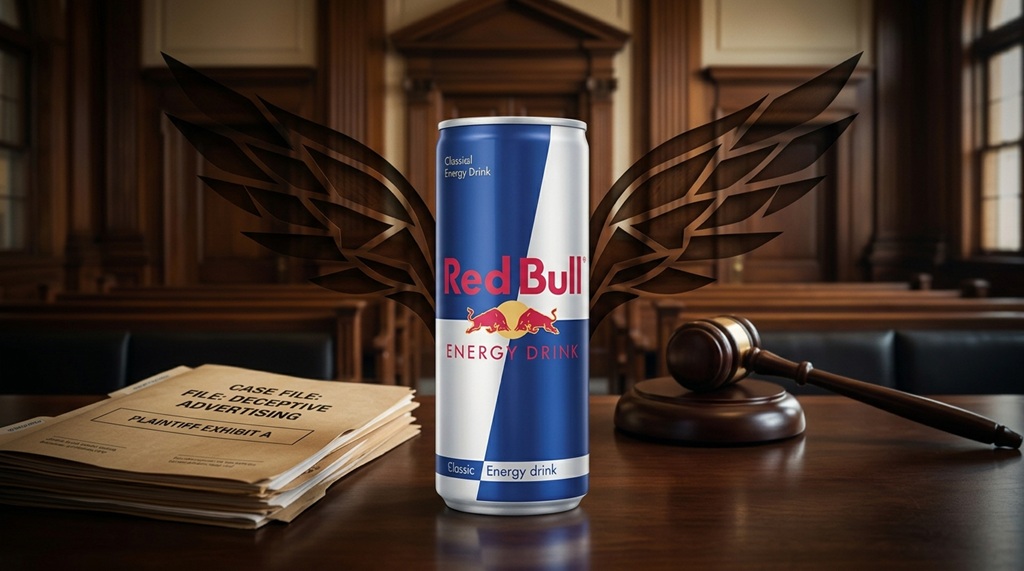
Energy drinks remain one of the fastest-growing beverage categories in the United States, and Red Bull is often cited as the industry leader. However, the brand has also become the focus of several legal disputes, including the widely discussed Red Bull class action lawsuit over the slogan “Red Bull Gives You Wings.” The case drew national attention after consumers argued that the company’s advertising suggested measurable improvements in energy, focus, and physical performance that were not supported by scientific evidence. The lawsuit, filed in the U.S. District Court for the Southern District of New York, eventually resulted in a $13 million Red Bull settlement, allowing eligible U.S. consumers to claim compensation. Legal analysts often reference the case when discussing false advertising law, marketing puffery, and consumer protection lawsuits involving beverage companies.
Beyond the advertising dispute, several legal claims have examined broader concerns about energy drink safety and caffeine-related health risks. Plaintiffs in some cases alleged that high caffeine levels and stimulant ingredients could contribute to serious medical events, raising questions about product labeling, warning disclosures, and regulatory oversight. These disputes fall within a larger category of energy drink lawsuits in the United States, which analyze issues such as product liability, deceptive marketing practices, and FDA regulatory standards. This guide explains the key developments in the Red Bull lawsuit, including the class action settlement, wrongful death claims linked to energy drink consumption, and the legal principles that shape advertising and consumer protection law in the United States.
Key Facts About the Red Bull Lawsuit
- The Red Bull lawsuit refers to a false advertising class action filed in the United States in 2013.
- The case challenged the famous marketing slogan “Red Bull Gives You Wings.”
- The lead plaintiff was Benjamin Careathers, who filed the lawsuit on behalf of U.S. consumers.
- The case was filed in the United States District Court for the Southern District of New York.
- Plaintiffs claimed Red Bull’s marketing exaggerated the drink’s ability to improve energy, focus, and performance.
- Red Bull denied the allegations but agreed to resolve the dispute through a $13 million class action settlement.
- Eligible consumers who purchased Red Bull products between 2002 and 2014 could request compensation.
- Claimants typically received $10 cash or $15 worth of Red Bull products.
What Is the Red Bull Lawsuit?
The term Red Bull lawsuit usually refers to several legal disputes involving the popular energy drink company. These cases generally fall into two main categories under U.S. consumer protection and product liability law.
The first category involves false advertising claims. Consumers argued that Red Bull’s marketing suggested the drink could significantly improve concentration, reaction time, and physical performance beyond what ordinary caffeinated beverages provide.
The second category involves product liability and wrongful death claims. In these lawsuits, plaintiffs alleged that the drink’s caffeine levels or stimulant ingredients may have contributed to serious health problems in certain individuals.
The most widely reported case began in 2013 when a consumer filed a class action lawsuit against Red Bull in the United States District Court for the Southern District of New York. The lawsuit claimed that the company’s advertising campaign misled consumers about the product’s performance benefits.
The dispute centered on the famous advertising slogan:
“Red Bull Gives You Wings.”
Consumers argued that the slogan implied significant performance improvements that were not supported by scientific evidence. Plaintiffs claimed the marketing created the impression that Red Bull had unique performance-enhancing qualities compared with other caffeinated drinks.
Rather than continuing the legal battle, Red Bull agreed to resolve the dispute through a financial settlement. The case became one of the most widely discussed false advertising lawsuits in the beverage industry, raising broader questions about marketing practices regulated by agencies such as the Federal Trade Commission (FTC) and consumer protection laws in the United States.
The “Red Bull Gives You Wings” False Advertising Case
The most famous Red Bull lawsuit began with a claim that the company’s advertising exaggerated the benefits of its energy drink. For years, Red Bull promoted its product with the slogan “Red Bull Gives You Wings.” The campaign suggested that the drink could significantly improve energy, focus, and physical performance.
Consumers argued that these marketing messages created unrealistic expectations. They claimed the advertisements implied that Red Bull offered unique performance benefits beyond those of ordinary caffeinated beverages.
In 2013, a consumer named Benjamin Careathers filed a class action lawsuit in the United States. He argued that Red Bull’s marketing misled customers into believing the drink provided scientifically proven advantages. According to the lawsuit, the product contained ingredients commonly found in other drinks, including caffeine and sugar, which meant it did not deliver the extraordinary benefits suggested in advertisements.
(Reference: American Bar Association litigation report)
The lawsuit claimed that Red Bull used aggressive marketing campaigns to build a reputation for superior performance. Plaintiffs argued that these claims allowed the company to charge a higher price compared with other caffeinated drinks.
Rather than admitting wrongdoing, Red Bull denied the allegations. The company stated that the slogan was simply a form of advertising exaggeration, commonly called “puffery” in marketing law.
However, the lawsuit gained significant public attention because it challenged one of the most recognizable advertising slogans in the world. As the case progressed, it raised broader questions about how companies can market food and beverage products in the United States.
Who Filed the Lawsuit?
The class action lawsuit was filed by Benjamin Careathers, a consumer who said he regularly purchased Red Bull products. He claimed the advertising campaign influenced his purchasing decisions.
Careathers argued that he and many other consumers bought Red Bull believing it would improve their physical and mental performance. The lawsuit stated that the company’s marketing suggested benefits such as:
- increased concentration
- improved reaction speed
- enhanced athletic performance
The plaintiff argued that these claims were not supported by scientific evidence. According to the complaint, Red Bull’s ingredients did not perform differently from other caffeinated drinks available in the market.
Because the lawsuit was filed as a class action, it allowed many consumers to join the case if they had purchased Red Bull products during a specific time period.
The class included customers in the United States who bought Red Bull energy drinks between 2002 and 2014. This broad time frame meant millions of consumers were potentially eligible to receive compensation once the case was settled.
The lawsuit was filed in the United States District Court for the Southern District of New York, which handles many large consumer class action cases.
What Were the Allegations Against Red Bull?
The lawsuit presented several allegations related to misleading marketing practices. The primary claim was that Red Bull’s advertising created the impression that the drink had special performance-enhancing effects. Plaintiffs argued that these benefits were not proven by reliable scientific studies.
The complaint stated that Red Bull’s marketing suggested the drink could improve:
- mental alertness
- reaction time
- endurance
- concentration
Consumers claimed these promises encouraged people to pay a premium price for the product. The lawsuit also argued that the marketing strategy allowed Red Bull to position itself as a superior energy drink, even though its ingredients were similar to those used in many other beverages.
According to the complaint, this marketing approach violated several consumer protection laws.
These allegations included:
- false advertising
- breach of express warranty
- unjust enrichment
- deceptive business practices
Rather than taking the case to trial, Red Bull agreed to settle the claims. The company chose to resolve the dispute through a financial settlement that compensated consumers who purchased its products. This settlement became one of the most widely discussed advertising cases involving a beverage company.
Red Bull $13 Million Class Action Settlement
The false advertising lawsuit against Red Bull ended with a $13 million class action settlement in the United States. The agreement resolved claims connected to the Red Bull class action settlement, which alleged that the company exaggerated the drink’s performance benefits.
Red Bull did not admit wrongdoing. However, the company agreed to compensate consumers who purchased its products during the period covered by the lawsuit. The settlement aimed to resolve the dispute and avoid the cost and uncertainty of a prolonged trial.
(Reference: Beverage Daily coverage of the settlement)
The case received significant public attention because it challenged one of the most recognizable advertising slogans in the beverage industry. The settlement also demonstrated how consumer protection laws can hold companies accountable for marketing claims.
Timeline of the Red Bull Lawsuit
The Red Bull false advertising case developed over several years before the final settlement. The timeline below highlights the key events in the lawsuit.
2002
The class period for the Red Bull lawsuit begins. Consumers who purchased certain Red Bull products in the United States after January 1, 2002, later became eligible to participate in the class action settlement.
2013
A consumer named Benjamin Careathers filed a class action lawsuit against Red Bull in the United States District Court for the Southern District of New York. The lawsuit alleged that the company’s advertising slogan “Red Bull Gives You Wings” misled customers about the drink’s performance benefits.
2014
Red Bull agreed to resolve the dispute through a $13 million class action settlement. The company denied any wrongdoing but chose to settle the case rather than continue lengthy litigation.
2015
Courts approved the settlement agreement and consumers who purchased Red Bull products during the class period were allowed to submit claims for compensation.
After the Settlement
The case became one of the most well-known false advertising lawsuits in the beverage industry. It is frequently cited in discussions about marketing exaggeration, also known in advertising law as puffery.
Why the “Red Bull Gives You Wings” Lawsuit Became Famous
The Red Bull case attracted global media attention because it involved one of the most recognizable advertising slogans in the world. For decades, Red Bull promoted its energy drink with the phrase “Red Bull Gives You Wings,” which appeared in television commercials, print advertising, and digital marketing campaigns. Many consumers understood the slogan as a metaphor for increased energy and alertness. However, some customers argued that the marketing implied the drink provided measurable performance benefits that were not supported by scientific evidence.
Legal experts described the dispute as a test of advertising puffery, a concept in marketing law that allows companies to use exaggerated promotional language. Courts often allow puffery because reasonable consumers understand such statements are not literal promises. The lawsuit gained widespread attention because it challenged whether the slogan crossed the line between creative advertising and misleading marketing under U.S. consumer protection laws. As a result, the case became a frequently cited example in discussions about advertising standards and class action litigation.
How Much Did Red Bull Pay?
Under the settlement agreement, Red Bull created a $13 million compensation fund. This fund was used to pay eligible consumers who submitted valid claims.
Customers who purchased Red Bull products between January 2002 and October 2014 could request compensation. Under the settlement terms, consumers could receive $10 cash or $15 in Red Bull products if they submitted a valid claim.
Consumers were not required to provide proof of purchase for a limited number of claims. This simplified the process and allowed more customers to participate in the settlement. Because the lawsuit was filed as a class action, the compensation fund was shared among all eligible claimants. If the number of claims exceeded the settlement fund, individual payments could be adjusted accordingly.
Who Was Eligible for Compensation?
The settlement covered consumers in the United States who purchased certain Red Bull products during the class period.
Eligible products included:
- Red Bull Energy Drink
- Red Bull Sugarfree
- Red Bull Total Zero
- Red Bull Editions
The class period extended from January 1, 2002, to October 3, 2014. Anyone who purchased these products during that time could submit a claim through the official settlement website. The process was designed to be simple so that consumers could participate without complex documentation.
The settlement administrator reviewed claims and distributed payments after the court approved the agreement.
Why Did Red Bull Agree to the Settlement?
Red Bull maintained that its marketing campaign did not violate any laws. The company argued that the slogan “Red Bull Gives You Wings” was a creative advertising expression rather than a literal promise.
However, defending the lawsuit in court could have been expensive and time-consuming. Companies sometimes settle consumer lawsuits even when they deny wrongdoing because a settlement provides a predictable outcome. By agreeing to the settlement, Red Bull avoided the risks of a jury trial and resolved the legal dispute. The settlement also allowed the company to move forward without major changes to its marketing strategy.
Legal Claims Behind the Red Bull Lawsuit
The Red Bull case involved several legal theories commonly used in consumer protection lawsuits in the United States. These claims focused on whether the company’s advertising created misleading expectations about the product.
False Advertising
False advertising occurs when a company promotes a product using statements that could mislead reasonable consumers. U.S. consumer protection laws require that marketing claims be truthful and supported by evidence.
In the Red Bull case, plaintiffs argued that the company implied performance benefits that were not scientifically proven.
Breach of Express Warranty
An express warranty claim arises when a company makes a promise about a product that turns out to be inaccurate. The lawsuit argued that Red Bull’s marketing promised improved mental and physical performance. Plaintiffs claimed that these promises influenced consumers to buy the product.
Unjust Enrichment
The unjust enrichment claim argued that Red Bull profited unfairly from marketing claims that encouraged consumers to pay a higher price for the drink.
According to the complaint, customers purchased Red Bull believing it provided superior benefits compared with other beverages.
Deceptive Business Practices
Consumer protection laws in many U.S. states prohibit companies from using deceptive marketing practices. The lawsuit argued that Red Bull’s advertising strategy violated these protections by creating misleading impressions about the product’s effectiveness.
How Class Action Lawsuits Work in Consumer Protection Cases
The Red Bull case was filed as a class action lawsuit, which is a legal procedure that allows a group of consumers to bring similar claims against a company in a single case. Class actions are common in consumer protection lawsuits, especially when many people are affected by the same advertising or product issue.
In a class action case, one or several individuals act as lead plaintiffs, also called class representatives. These individuals filed the lawsuit on behalf of all consumers who experienced similar harm. In the Red Bull case, Benjamin Careathers served as the lead plaintiff representing consumers who purchased Red Bull products in the United States.
Courts must approve a class action before the case can proceed. Judges examine whether the claims share common legal issues and whether the proposed class representatives can fairly represent other consumers. This process is known as class certification.
If the case settles or results in a judgment, the court must also approve the settlement agreement. A settlement administrator then manages the process of reviewing claims and distributing payments to eligible consumers. In the Red Bull settlement, eligible claimants could receive $10 in cash or $15 in Red Bull products.
Class action lawsuits play an important role in enforcing consumer protection laws in the United States. They allow individuals to challenge misleading marketing practices even when the financial harm to each consumer is relatively small.
Wrongful Death Lawsuits Linked to Red Bull
In addition to the false advertising case, Red Bull has faced lawsuits that raised concerns about the safety of energy drinks. Some families claimed that excessive caffeine and stimulant ingredients may have contributed to fatal health events.
These cases are different from the advertising lawsuit. Instead of focusing on marketing claims, the plaintiffs argued that the product itself posed potential health risks when consumed in large quantities.
The lawsuits generally relied on product liability and wrongful death laws. Plaintiffs claimed the company failed to provide adequate warnings about possible health effects linked to high caffeine intake.
The Cory Terry Wrongful Death Case
One of the most widely discussed lawsuits involved Cory Terry, a young man from New York. His family filed a wrongful death lawsuit against Red Bull after he died in 2011.
According to the complaint, Terry consumed multiple cans of Red Bull before experiencing a cardiac event. His family alleged that the drink’s caffeine and stimulant ingredients contributed to his death. The lawsuit argued that Red Bull failed to provide sufficient warnings about the potential dangers of consuming high amounts of caffeine. Plaintiffs claimed that the company should have disclosed possible cardiovascular risks associated with energy drinks.
Red Bull denied that its product caused the death. The company maintained that its drinks comply with U.S. safety standards and that caffeine levels are similar to those found in other beverages. The case eventually received national media coverage because it raised broader questions about the safety of energy drinks in the United States.
The William Wade Lawsuit
Another wrongful death claim involved William Wade, a construction worker who died after drinking energy beverages. His family filed a lawsuit alleging that energy drinks contributed to his fatal cardiac arrest. The complaint argued that high levels of caffeine and other stimulants may increase the risk of heart problems, particularly when consumed in large amounts.
The lawsuit also raised questions about whether energy drink manufacturers should provide clearer warnings about potential health effects. Like the previous case, Red Bull denied liability and argued that its product was safe when consumed responsibly. These cases highlighted growing public concern about the health impact of energy drinks, especially among young adults and athletes.
Health Risk Allegations in Energy Drink Lawsuits
Energy drink lawsuits often focus on the potential effects of high caffeine intake and stimulant ingredients. Plaintiffs sometimes argue that certain combinations of ingredients may increase cardiovascular risks.
Typical allegations in these lawsuits include:
- High caffeine levels may trigger irregular heart rhythms
- Stimulant ingredients may increase blood pressure
- Excessive consumption may lead to cardiac events in vulnerable individuals
Medical researchers have studied energy drinks to better understand these potential risks. Some studies suggest that large amounts of caffeine can affect heart rate and blood pressure.
However, regulatory agencies generally state that moderate caffeine consumption is considered safe for healthy adults. Because of these debates, energy drink litigation has become an area of growing interest for consumer protection lawyers and public health experts.
Energy Drink Safety Debate in the United States
The lawsuits involving energy drinks have contributed to a broader public discussion about caffeine consumption and product safety. Energy drinks typically contain caffeine along with other stimulant ingredients such as taurine and guarana. Health experts note that caffeine can increase heart rate and blood pressure when consumed in large quantities. Because energy drinks may contain higher caffeine levels than traditional soft drinks, researchers have studied their potential effects on cardiovascular health.
Regulatory oversight in the United States comes primarily from the Food and Drug Administration (FDA). The FDA monitors ingredients used in beverages and evaluates safety data related to caffeine and other stimulants. Most public health agencies state that moderate caffeine consumption is generally safe for healthy adults. However, medical organizations often advise caution for people with heart conditions, children, and pregnant individuals.
The debate over energy drink safety has led to increased research, consumer awareness, and regulatory discussions. Lawsuits involving energy drinks often focus on whether companies provided adequate warnings and whether marketing practices accurately reflect potential risks.
Are Energy Drinks Regulated in the United States?
Energy drinks in the United States fall under the authority of the Food and Drug Administration (FDA). The FDA regulates caffeine and other ingredients used in beverages to ensure they meet safety standards. Most energy drinks, including Red Bull, are marketed either as beverages or dietary supplements, depending on the product formulation. This classification can affect labeling requirements and ingredient disclosures.
The FDA does not currently impose a strict federal limit on caffeine in energy drinks. However, manufacturers must ensure that their products are safe for consumption. Companies are also required to list ingredients on product labels and avoid misleading health claims in their marketing.
Because energy drink consumption has increased significantly over the past two decades, regulators and public health researchers continue to monitor potential safety concerns.
Can You Still Join a Red Bull Lawsuit?
The Red Bull false advertising settlement that resulted in the $13 million payout has already closed. The deadline for submitting claims passed several years ago, after the settlement received final court approval. Consumers who purchased Red Bull products during the class period could request compensation through the settlement website.
Today, new claims related to the advertising case cannot be filed because the settlement fully resolved those allegations. However, legal claims involving product safety or personal injury could still arise if consumers believe a product caused harm. These types of lawsuits are typically handled individually rather than through a large class action.
Anyone who believes they suffered a serious injury related to energy drink consumption should consult a qualified attorney to understand their legal options.
What the Red Bull Lawsuit Means for Consumer Protection
The Red Bull litigation demonstrates how consumer protection laws operate in the United States. These laws allow consumers to challenge marketing claims that may be misleading or unsupported by evidence. The case also highlights the role of class action lawsuits in holding companies accountable for advertising practices. Large settlements like the Red Bull case can encourage companies to review their marketing strategies and ensure that promotional claims are accurate.
At the same time, the lawsuits involving health concerns show that energy drinks remain a topic of debate among regulators, researchers, and public health advocates. As consumer awareness grows, companies in the beverage industry face increasing pressure to maintain transparency about ingredients, safety information, and marketing claims.
FAQs
What is the lawsuit against Red Bull?
The Red Bull lawsuit refers to a U.S. class action case filed in 2013 claiming that the slogan “Red Bull Gives You Wings” misled consumers about the drink’s performance benefits. The case ended with a $13 million settlement, allowing eligible consumers to claim compensation.
How much money did the guy make from suing Red Bull?
No single person received millions. The case resulted in a $13 million settlement fund shared among consumers. Eligible claimants typically received about $10 in cash or $15 in Red Bull products.
Why did Red Bull stop saying “Red Bull Gives You Wings”?
After the lawsuit, Red Bull adjusted some marketing practices to avoid further legal disputes. The company still uses variations of the slogan, but has become more cautious about claims related to performance benefits.
How old was the guy who sued Red Bull?
The lead plaintiff, Benjamin Careathers, was an adult consumer who filed the lawsuit in 2013. Public court records do not widely report his exact age, but he was a regular customer who claimed the advertising influenced his purchases.
Did Red Bull admit wrongdoing in the lawsuit?
No. Red Bull denied the allegations made in the class action lawsuit. The company agreed to the $13 million settlement to resolve the dispute and avoid prolonged litigation. Settlements in consumer protection cases often occur without an admission of liability.
Are there still lawsuits against Red Bull today?
The false advertising class action related to the “Red Bull Gives You Wings” slogan has already been resolved. However, lawsuits involving energy drinks can still occur if consumers believe a product caused injury or if new claims related to marketing or safety arise.

Sadia Parveen is a content writer at ClassAction24.com who creates informational articles on class action lawsuits, consumer protection matters, and legal developments. Her work focuses on researching public court records, official filings, and reputable news sources, then presenting it in a clear and neutral format for general readers. Her articles follow the ClassAction24.com editorial policy and are reviewed by an editor before publication. She does not provide legal advice or professional legal services.

Musarat Bano serves as an editor at ClassAction24.com. She reviews articles for accuracy, sourcing, clarity, and editorial consistency before publication. She checks that legal claims trace back to public court records, official filings, and reputable news sources, and that reported claims are clearly separated from confirmed facts. Her role is limited to editorial review and presentation, and she does not provide legal advice or professional legal services.