Mielle Organic Hair Loss Lawsuit: Claims Over Rosemary Mint Hair Oil and Consumer Complaints Explained
The Mielle Organic hair loss lawsuit has drawn major attention from consumers, beauty experts, and legal professionals. The lawsuit focuses on allegations that certain Mielle Organics hair products, particularly the popular Rosemary Mint Scalp & Strengthening Hair Oil, may cause hair shedding, scalp irritation, and hair damage.
Several consumers claim they experienced unexpected hair loss after using the product, which led to the Mielle Organics hair loss lawsuit allegations reported by consumer advocacy websites. As a result, plaintiffs have filed a proposed class action lawsuit against Mielle Organics and its parent company, Procter & Gamble, arguing that the companies failed to warn consumers about potential risks. The case has become one of the most discussed cosmetic product liability lawsuits in the beauty industry. Consumers who purchased Mielle products want answers about safety, possible compensation, and whether the lawsuit could lead to refunds or settlements.
This article explains the Mielle Organics hair loss lawsuit, the products involved, legal claims, and what affected consumers should know.
What Is the Mielle Organic Hair Loss Lawsuit?
The Mielle Organics hair loss lawsuit is a proposed class action case that accuses the company of selling hair care products that allegedly caused hair loss and scalp damage. The complaint alleges that Mielle Organics marketed its products as strengthening and nourishing for hair, yet many consumers reported the opposite effect after using them.
According to the lawsuit, the company allegedly:
- Failed to warn consumers about possible hair damage
- Misrepresented the safety and effectiveness of its products
- Sold products that may cause hair thinning or shedding
The lawsuit was filed in federal court in Illinois and seeks compensation for consumers who purchased the affected products.
Legal claims include:
- False advertising
- Consumer fraud
- Failure to warn
- Product liability
These types of allegations are common in cosmetic safety lawsuits, especially when consumers claim a product caused physical harm.
Which Mielle Products Are Involved?
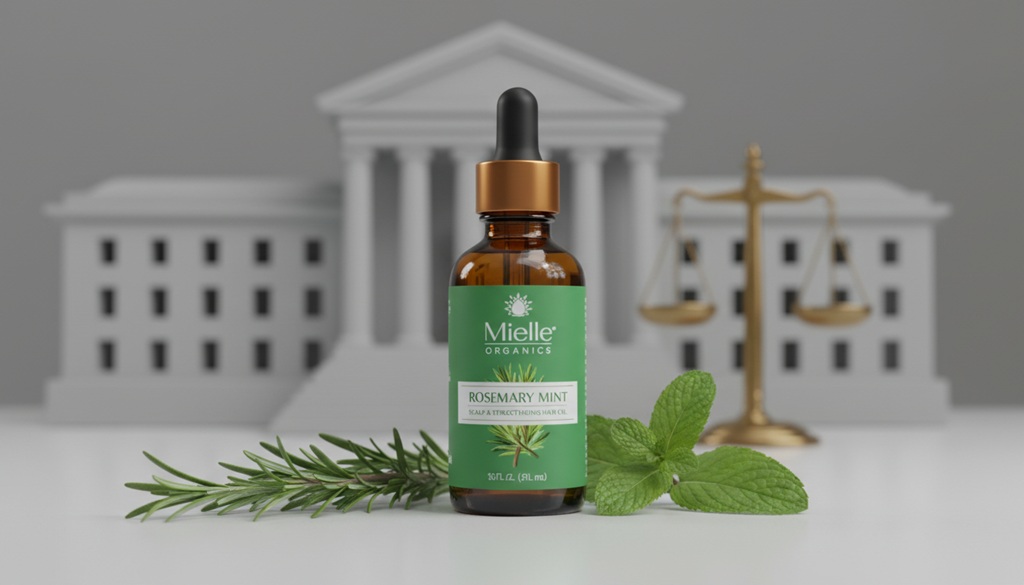
Most of the claims center around products in the Rosemary Mint product line, especially the brand’s viral hair oil.
Products frequently mentioned in complaints include:
Rosemary Mint Scalp & Strengthening Hair Oil
This product is the primary focus of the lawsuit. It became extremely popular on social media and beauty platforms.
The oil is marketed as a product that helps:
- Strengthen hair
- Support healthy growth
- Nourish the scalp
However, some consumers claim they experienced hair breakage or hair shedding after regular use.
Rosemary Mint Shampoo
Some reports also mention issues after using the shampoo in the same product line.
Rosemary Mint Conditioner
Consumers claim the conditioner may contribute to dryness or hair weakness when combined with other products in the system. Although these products remain available for sale, the lawsuit argues that their safety and labeling require further scrutiny.
Why Consumers Say Mielle Products Caused Hair Loss
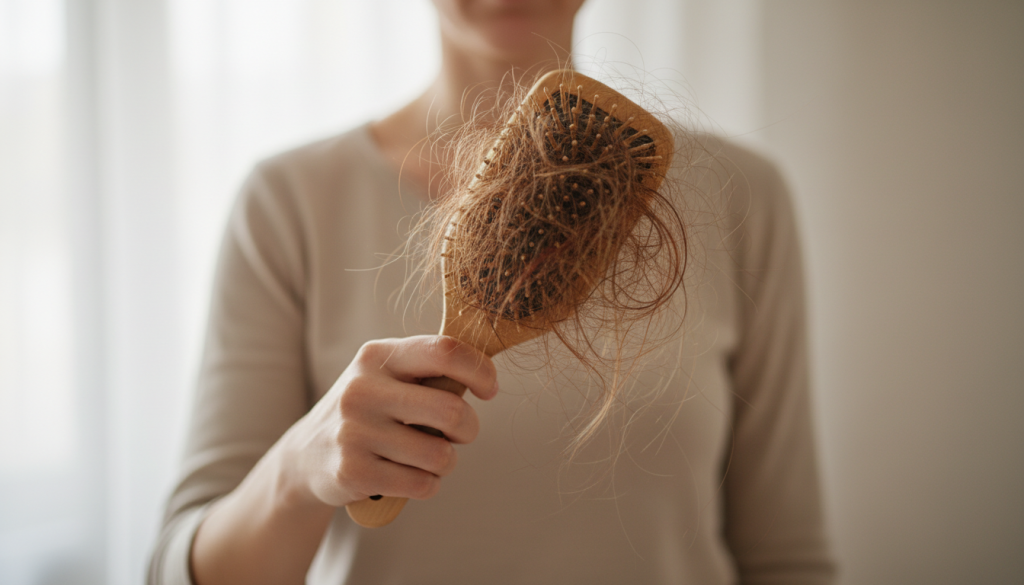
Many consumers began sharing complaints online before the lawsuit was filed. These reports appeared across TikTok, beauty forums, YouTube reviews, and social media groups.
Common complaints included:
- Sudden hair shedding
- Excessive hair breakage
- Scalp irritation
- Dry or brittle hair
Some users claim they noticed hair falling out within weeks of using the oil. Others said their hair texture changed and became weaker over time. According to dermatology guidance on hair loss, hair shedding can occur due to scalp irritation, allergic reactions, or other health factors. While online reports do not prove causation, they often trigger legal investigations and consumer protection lawsuits.
Key Allegations in the Lawsuit
The Mielle hair loss lawsuit raises several important legal arguments.
Failure to Warn
Plaintiffs claim the company did not disclose possible risks associated with the product. Product labels allegedly failed to warn consumers about:
- Potential hair shedding
- Scalp irritation
- Possible allergic reactions
Failure-to-warn claims are common in product liability litigation.
False Advertising
The lawsuit also alleges that Mielle marketed the oil as a product that promotes hair growth and strength. Consumers argue that the product did not perform as advertised. If marketing statements are misleading, companies may face liability under consumer protection laws.
Negligent Testing
Another allegation involves product safety testing. The complaint suggests the company may not have performed sufficient testing to ensure the product was safe for all hair types.
Timeline of the Mielle Hair Loss Controversy
Understanding the timeline helps explain how the controversy developed.
2022–2023: Viral Popularity
The Rosemary Mint hair oil became widely popular on TikTok and beauty platforms. Many users praised the product for improving hair health.
Early Complaints Appear
Soon after the product gained viral popularity, some users began reporting negative experiences. Hair loss and scalp irritation became frequent topics in beauty forums.
Social Media Discussions Grow
The controversy spread across social media as more consumers shared experiences. Some influencers and dermatology commentators discussed potential causes.
Lawsuit Filed
Eventually, a consumer filed a class action lawsuit claiming the product caused hair loss and other damages. The lawsuit seeks compensation and further investigation into the product’s safety.
Who May Qualify for the Mielle Hair Loss Lawsuit?
Consumers may qualify for the lawsuit if they:
- Purchased Mielle Rosemary Mint products
- Used the products as directed
- Experienced hair loss or scalp damage afterward
Potential plaintiffs may also qualify if they suffered:
- Medical expenses related to scalp injury
- Cosmetic damage to hair
- Emotional distress related to hair loss
Eligibility requirements may vary depending on the outcome of the case.
Possible Compensation in the Lawsuit
If the case results in a settlement or verdict, compensation may include:
- Product refunds
- Reimbursement for medical expenses
- Compensation for hair damage
- Compensation for emotional distress
In class action lawsuits, payments are often distributed among eligible claimants.
The amount depends on factors such as:
- Number of claimants
- Severity of damages
- Settlement terms approved by the court
Current Status of the Mielle Organics Lawsuit
The lawsuit is still in its early stages. Important facts about the case:
- No settlement has been announced
- The court has not issued a final ruling
- The companies deny wrongdoing
Until the legal process moves forward, the allegations remain claims that must be proven in court. Consumers should avoid assuming that a product is unsafe until legal proceedings determine the facts.
What Consumers Should Do If They Experience Hair Loss
Consumers who believe a product caused hair damage may consider taking the following steps.
Stop Using the Product
If you suspect a cosmetic product caused irritation or hair loss, discontinue use immediately.
Document the Damage
Take photos of hair thinning or scalp irritation.
Keep receipts or purchase records if possible.
Seek Medical Advice
A dermatologist may evaluate scalp health and determine possible causes of hair loss.
Report the Issue
Consumers can report cosmetic product problems to the U.S. Food and Drug Administration (FDA).
Reports help regulators track potential product safety concerns.
FAQs
Did Mielle get sued for hair loss?
Yes. A proposed class action lawsuit alleges that certain Mielle Organics Rosemary Mint hair products may cause hair loss or scalp irritation. The case is ongoing, and no final ruling or settlement has been announced.
Why are people cancelling Mielle Organics?
Some consumers began cancelling the brand after viral social media posts claimed Mielle products caused hair shedding or scalp damage. The controversy grew online, leading to legal complaints and consumer backlash.
What shampoos have been linked to hair loss?
Several hair products have faced complaints or lawsuits related to hair loss, including Mielle Organics Rosemary Mint products, OGX shampoos, and WEN hair care products. Hair loss can also occur due to scalp sensitivity or allergic reactions.
Does Mielle Organics help with hair growth?
Mielle products contain ingredients like rosemary oil, peppermint oil, and biotin, which are commonly used to support scalp health and hair strength. Some users report positive results, but individual experiences may vary.
Final Thoughts
The Mielle Organic hair loss lawsuit highlights growing concerns about cosmetic product safety and marketing claims. Consumers increasingly expect transparency from beauty brands, especially when products promise improved hair health.
Although the lawsuit remains unresolved, it has already sparked important discussions about cosmetic regulation, ingredient safety, and consumer protection. Anyone who experienced hair damage after using Mielle products may want to monitor legal updates and consider speaking with a legal professional about their rights.

Sadia Parveen is a content writer at ClassAction24.com who creates informational articles on class action lawsuits, consumer protection matters, and legal developments. Her work focuses on researching public court records, official filings, and reputable news sources, then presenting it in a clear and neutral format for general readers. Her articles follow the ClassAction24.com editorial policy and are reviewed by an editor before publication. She does not provide legal advice or professional legal services.

Musarat Bano serves as an editor at ClassAction24.com. She reviews articles for accuracy, sourcing, clarity, and editorial consistency before publication. She checks that legal claims trace back to public court records, official filings, and reputable news sources, and that reported claims are clearly separated from confirmed facts. Her role is limited to editorial review and presentation, and she does not provide legal advice or professional legal services.