Crepe Erase Lawsuit: Auto-Renewal Complaints, Billing Issues, and Legal Status in 2026
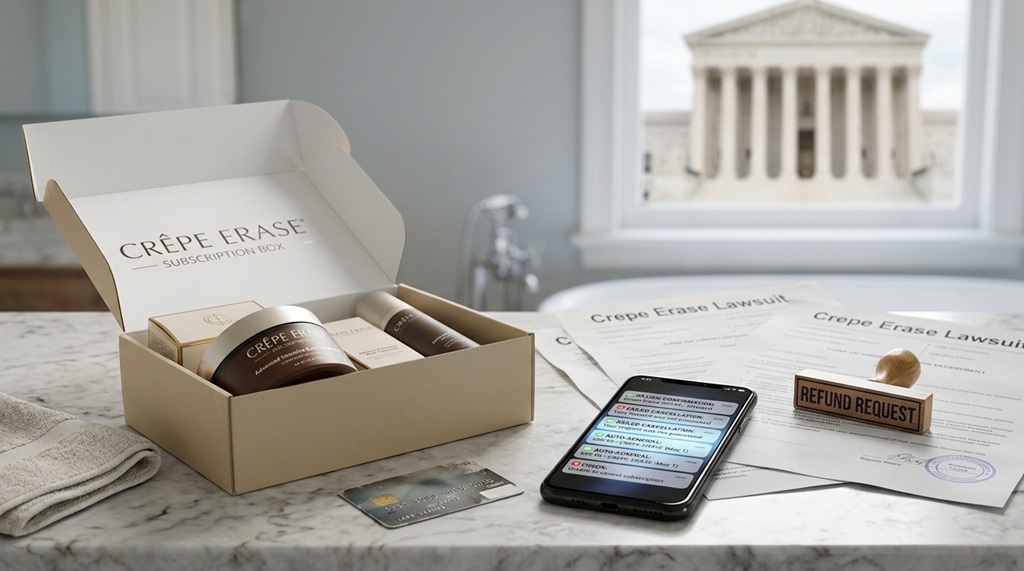
Consumers continue to search for the Crepe Erase lawsuit after reports about unexpected charges, subscription disputes, and product advertising claims spread online. Many buyers also question whether a real class action lawsuit exists against the skincare brand.
Crepe Erase markets anti-aging skincare products that target crepey skin, wrinkles, and loose skin texture. The brand gained attention through television ads, celebrity promotions, and trial offers. However, some customers later reported problems tied to recurring billing and cancellation requests.
Several legal blogs now discuss a possible Crepe Erase lawsuit. Still, many articles fail to separate verified facts from online speculation. That creates confusion for consumers who want accurate information about refunds, subscription charges, and potential legal claims.
This guide explains the reported allegations, the current legal status, consumer protection laws, and the steps buyers may take after unauthorized charges or subscription disputes.
What Is the Crepe Erase Lawsuit About?
The Crepe Erase lawsuit discussion mainly focuses on recurring billing complaints, subscription transparency concerns, and advertising allegations tied to online skincare purchases.
Many consumers claim they signed up for promotional offers or discounted skincare packages, but later noticed recurring credit card charges and automatic shipments. Some buyers also reported cancellation difficulties after enrollment in recurring billing programs.
Why Consumers Filed Complaints
Most complaints involve subscription billing practices. Customers often mention:
- unexpected monthly charges
- automatic shipments
- unclear trial terms
- refund denials
- cancellation delays
- customer service disputes
Some consumers also questioned product performance claims. Buyers expected dramatic anti-aging results after television marketing campaigns and online advertisements.
Main Allegations Against Crepe Erase
Online discussions surrounding the Crepe Erase lawsuit often mention allegations tied to:
- deceptive advertising
- misleading trial offers
- hidden subscription terms
- Recurring billing without clear consent
- difficult cancellation systems
- unauthorized skincare charges
- deceptive continuity programs
No court can treat allegations as proven facts unless evidence supports those claims. That distinction remains important in consumer protection litigation.
Why Auto-Renewal Claims Trigger Legal Scrutiny
The Federal Trade Commission and state consumer protection agencies often review businesses that allegedly use unclear recurring billing systems or difficult cancellation procedures.
Subscription billing cases receive legal scrutiny because federal and state laws require companies to disclose recurring charges clearly before consumers complete purchases.
Courts and regulators may also examine whether consumers provided informed consent before enrollment in recurring payment programs.
Is There an Active Crepe Erase Class Action Lawsuit in 2026?
Current public records do not clearly confirm a nationwide Crepe Erase class action lawsuit as of 2026. Most online discussions involve consumer complaints tied to recurring billing disputes and subscription-related allegations.
Many websites discuss a “Crepe Erase class action lawsuit.” However, readers should verify active court filings before relying on online claims.
Verified Legal Status
Public online discussions continue to mention investigations and consumer complaints tied to Crepe Erase’s billing practices.
However, many articles fail to provide:
- court docket numbers
- settlement agreements
- verified federal filings
- active class certification records
That creates uncertainty about the actual status of large-scale litigation. Consumers should understand that complaint volume alone does not confirm an active class action lawsuit.
Difference Between Consumer Complaints and Class Actions
Consumer complaints may appear on:
- Better Business Bureau profiles
- complaint forums
- Reddit discussions
- review websites
- social media platforms
A class action lawsuit follows a separate legal process. Plaintiffs must file formal claims in court. Judges must also review class certification requests before a nationwide class action can proceed.
Why Confusion Exists Online
Many legal blogs reuse the same information across multiple articles. Some pages also exaggerate lawsuit claims to attract search traffic.
As a result, consumers often see headlines that imply a major lawsuit already exists even when verified court records remain limited or unclear.
What Products Does the Lawsuit Discussion Involve?
Most discussions focus on skincare products sold through promotional offers and subscription-style sales systems.
Crepe Erase Skincare Products
Crepe Erase products target:
- crepey skin
- wrinkles
- loose skin texture
- aging skin appearance
- dry skin conditions
The brand promotes anti-aging body creams, exfoliation systems, and skincare treatment packages.
Trial Offers and Promotional Packages
Many complaints mention discounted skincare trial offers and introductory pricing systems. Some consumers claim they expected a one-time purchase instead of enrollment in recurring billing programs.
Trial offers often create confusion when renewal terms appear in fine print or less visible checkout disclosures.
Subscription-Based Orders
Recurring skincare subscriptions remain common across the beauty industry. Companies often ship products monthly unless customers cancel before renewal deadlines.
That model becomes controversial when consumers believe disclosures lack clarity.
What Complaints Do Consumers Report Most Often?
Consumer complaints follow several repeated patterns across online forums and review websites.
Unexpected Recurring Charges
Unexpected charges remain the most common complaint. Some customers state they received additional charges weeks after their first order.
Buyers often claim they misunderstood the subscription structure during checkout.
Difficult Cancellation Process
Consumers frequently report cancellation frustrations tied to:
- long wait times
- Repeated transfer calls
- unclear cancellation instructions
- failed cancellation confirmations
- Recurring charges after cancellation attempts
Subscription-related lawsuits often focus heavily on cancellation barriers.
Refund Disputes
Some consumers claim they requested refunds after disputed charges but received only partial refunds or no refunds at all.
Banks and payment processors sometimes become involved through chargeback disputes and unauthorized billing investigations.
Advertising and Product Performance Complaints
Certain buyers also questioned marketing claims tied to anti-aging results. Consumers may expect visible skin improvement after persuasive advertising campaigns.
Disappointment alone does not create a lawsuit. However, false advertising claims may arise if marketing statements allegedly overstate expected results.
Shipping and Customer Service Issues
Consumers also reported:
- delayed shipments
- duplicate orders
- damaged products
- billing confusion
- poor customer support responses
These complaints often appear in subscription-related disputes.
How Do Auto-Ship and Negative Option Billing Programs Work?
Many skincare brands use Negative option billing systems. Consumers should understand how these programs operate before placing online skincare orders.
What Negative Option Billing Means
Negative option billing means a company assumes continued acceptance unless the customer cancels.
That system usually involves:
- a trial offer
- automatic renewal
- recurring product shipments
- recurring charges
Federal regulators monitor these programs closely.
How Trial Offers Convert Into Recurring Charges
Many trial offers include future billing terms inside checkout disclosures. Customers who fail to cancel before the deadline may enter recurring subscription plans automatically.
Some consumers later argue that disclosures lacked visibility or clarity.
Why Regulators Monitor Subscription Marketing
The Federal Trade Commission reviews subscription systems because unclear renewal terms may create financial harm for consumers.
Regulators often examine:
- disclosure placement
- informed consent methods
- cancellation difficulty
- hidden fees
- deceptive checkout designs
What “Click-to-Cancel” Rules Mean
Recent FTC efforts focus on simpler cancellation systems. Proposed “Click-to-Cancel” standards aim to require businesses to make cancellation as easy as enrollment.
That issue continues to shape modern subscription litigation.
What Laws Could Apply to Crepe Erase Billing Complaints?
Several consumer protection laws may apply in subscription billing disputes.
FTC Act and Deceptive Advertising Rules
The Federal Trade Commission Act prohibits deceptive or unfair business practices.
Regulators may investigate businesses that allegedly hide material billing terms or use misleading subscription marketing systems.
ROSCA and Online Subscription Laws
The Restore Online Shoppers’ Confidence Act regulates online recurring billing programs.
ROSCA requires:
- clear disclosures
- informed consumer consent
- simple cancellation procedures
Violations may trigger regulatory investigations or legal disputes.
California Automatic Renewal Law
California maintains strict automatic renewal requirements through the California Automatic Renewal Law.
Businesses must present recurring billing terms clearly before purchase completion.
California law also requires accessible cancellation methods in many situations.
State Consumer Protection Laws
Many states enforce additional unfair trade practice laws. Consumers sometimes file claims under those statutes after billing disputes or misleading advertising allegations.
Did Guthy-Renker Face Previous Regulatory Scrutiny?
Crepe Erase operates under the direct-response marketing company Guthy-Renker.
Background on Guthy-Renker
Guthy-Renker became known through television marketing campaigns tied to beauty, skincare, and wellness products.
The company sold several subscription-style products over the years.
Past Consumer Complaint Patterns
Consumer complaints tied to subscription billing have appeared against many direct-response marketing brands across the industry.
Regulators often review recurring patterns when complaint volume increases.
Why Company History Matters in Consumer Cases
Courts and regulators may examine historical complaint patterns during investigations or litigation.
Historical scrutiny alone does not prove wrongdoing. However, repeated complaint trends sometimes increase legal attention.
Similar Subscription Lawsuits in the Beauty Industry
Subscription billing disputes affected several skincare and beauty brands in recent years.
Consumers also filed complaints against companies that allegedly used:
- unclear auto-renewal systems
- difficult cancellation methods
- misleading trial offers
- deceptive billing practices
- recurring credit card charges
Federal regulators increased enforcement pressure against online subscription businesses throughout the beauty and wellness industry.
That broader trend explains why consumers continue to search for information about the Crepe Erase lawsuit and related subscription complaints.
What Evidence Could Help Consumers in a Billing Dispute?
Documentation remains critical in any consumer dispute.
Order Confirmation Emails
Consumers should save all order confirmations and subscription notices.
Bank Statements and Charges
Bank records may help verify:
- billing dates,
- recurring charges, and
- disputed payments
Cancellation Attempts
Consumers should document cancellation efforts carefully.
Helpful evidence may include:
- screenshots
- emails
- call records
- chat transcripts
- written confirmations
Product Advertisements and Trial Terms
Marketing screenshots may also help show how the company presented trial offers or renewal terms during checkout.
Customer Support Records
Customer support communication may become important if disputes escalate into chargebacks or legal claims.
Can Consumers Receive Compensation?
Potential compensation depends on the facts of each case.
Possible Refund Claims
Consumers sometimes recover funds through:
- refunds
- charge reversals
- bank disputes
- settlement programs
Chargeback and Bank Dispute Options
Banks may reverse recurring charges after consumers provide evidence of unauthorized billing or failed cancellation attempts.
Chargeback rules vary across payment providers.
Potential Class Action Compensation
Class action settlements often provide limited compensation per customer unless damages become substantial.
Court approval also remains necessary before settlement distribution.
How to Stop Future Crepe Erase Charges
Consumers who notice unexpected recurring charges should act quickly.
Important steps may include:
- Cancel the subscription immediately
- Request written confirmation
- save screenshots
- Contact the bank or credit card provider
- Monitor future billing statements carefully
Some financial institutions also allow customers to block recurring merchant charges directly.
How Chargebacks Work for Subscription Disputes
Banks and credit card providers may investigate recurring billing disputes after consumers report unauthorized charges.
Consumers usually need:
- billing statements
- cancellation proof
- order confirmations
- screenshots of trial offers
- customer support records
Chargeback policies vary depending on the payment provider and dispute timeline.
What Should Consumers Do After Unauthorized Charges?
Consumers should act quickly after unexpected charges appear.
Review Subscription Terms
Customers should review:
- checkout emails
- subscription agreements
- renewal disclosures
- cancellation instructions
Contact Customer Support
Consumers should request written cancellation confirmation whenever possible.
Document Every Communication
Accurate records strengthen refund requests and charge disputes.
Dispute Charges Through the Bank
Banks and credit card companies often provide fraud dispute or recurring payment reversal procedures.
Report Complaints to Consumer Agencies
Consumers may also report complaints to:
- the FTC
- state attorneys general
- BBB complaint systems,
- consumer protection offices
How Do FTC Subscription Rules Affect Beauty Brands?
Subscription scrutiny increased sharply across the digital commerce industry.
FTC Crackdown on Subscription Traps
Federal regulators continue to target businesses that allegedly use deceptive subscription systems.
Beauty and skincare companies now face heavier compliance pressure.
Consumer Consent Requirements
Businesses must disclose recurring billing terms clearly before payment collection.
Consumers must also provide informed consent.
Clear Disclosure Standards
Disclosure language should remain:
- visible
- understandable
- easy to review
Hidden terms often create legal risk.
Recent Enforcement Trends
Recent FTC actions against subscription businesses show stronger enforcement across digital commerce sectors.
That trend may continue in skincare and beauty markets.
How Does the Crepe Erase Situation Compare to Other Beauty Product Lawsuits?
The beauty industry faced many consumer protection disputes in recent years.
Subscription Billing Cases
Several skincare brands faced scrutiny tied to:
- recurring charges,
- subscription traps,
- cancellation barriers
False Advertising Claims
Consumers also filed lawsuits tied to:
- exaggerated anti-aging claims
- misleading marketing
- unrealistic product promises
Skincare Product Litigation Trends
Modern beauty litigation often combines:
- advertising claims
- billing disputes
- online marketing scrutiny
- consumer consent issues
What Risks Should Consumers Know Before Buying Trial Skincare Offers?
Consumers should review skincare trial offers carefully before purchase.
Hidden Renewal Terms
Some trial offers contain automatic renewal clauses that trigger recurring charges after short deadlines.
Marketing Language and Fine Print
Consumers should read all checkout terms carefully instead of relying only on promotional headlines.
Free Trial Red Flags
Potential warning signs may include:
- vague billing terms
- unclear cancellation rules
- aggressive countdown offers
- hidden disclosures
How to Avoid Recurring Billing Problems
Consumers can reduce risk through:
- screenshot records
- prepaid cards
- reminder alerts
- written cancellation confirmation
Risks Linked to Free Trial Skincare Subscription Offers
Consumers should review skincare trial offers carefully before entering payment information online.
Hidden Renewal Terms
Some skincare promotions contain automatic renewal clauses that trigger recurring charges after short cancellation deadlines.
Marketing Language and Fine Print
Consumers should review all checkout terms carefully instead of relying only on promotional headlines.
Common Free Trial Red Flags
Potential warning signs may include:
- vague billing terms
- hidden disclosures
- unclear cancellation rules
- aggressive countdown offers
- Recurring payment language in fine print
How to Reduce Subscription Billing Risks
Consumers may reduce risk through:
- screenshot records
- prepaid payment cards
- reminder alerts
- written cancellation confirmation
FAQs
How safe is Crepe Erase?
Crepe Erase is generally marketed as a cosmetic skincare product. Most concerns online involve billing complaints rather than major safety issues. Some users may experience skin irritation or allergic reactions.
Is Crepe Erase good for the neck?
Crepe Erase products are commonly used on the neck, chest, arms, and legs to improve dry or crepey skin appearance. Results vary based on skin type and age.
Is Body Firm the same as Crepe Erase?
No. Body Firm is a product within the Crepe Erase skincare line. Crepe Erase is the brand name.
What is the best product for crepey skin?
Popular products for crepey skin often include ingredients like retinol, peptides, and hyaluronic acid. Common brands include:
- Crepe Erase
- CeraVe
- Olay
- StriVectin
Final Thoughts
The Crepe Erase lawsuit discussion mainly centers on recurring billing concerns, subscription transparency, and advertising complaints. Consumers continue to question whether the company disclosed renewal terms clearly during online purchases. Verified legal information remains important in this area. Many websites publish exaggerated lawsuit claims without confirmed court documentation. Readers should separate formal litigation from online speculation.
Consumers should also review trial offers carefully before entering payment details online. Clear records, screenshots, and cancellation confirmations may help reduce billing disputes later. Federal regulators continue to monitor subscription marketing practices closely. That trend may increase legal scrutiny across the skincare and beauty industry during the coming years.

Sadia Parveen is a content writer at ClassAction24.com who creates informational articles on class action lawsuits, consumer protection matters, and legal developments. Her work focuses on researching publicly available information and presenting it in a clear and neutral format for general readers. She does not provide legal advice or professional legal services.