Advanced Bionics Cochlear Implant Lawsuits Grow After Recalls, Device Failures, and Federal Settlement
Patients, families, regulators, and lawyers continue to examine problems linked to certain Advanced Bionics cochlear implants. Attention centers on reported failures of the HiRes Ultra and HiRes Ultra 3D devices, a voluntary recall announced in 2020, and a later federal settlement involving statements made during testing of external processors.
Across the United States and Canada, families describe unexpected loss of hearing benefit, abrupt device shutdowns, and revision surgeries that were not part of the original treatment plan. Lawyers review medical records and recall notices to understand whether device design, manufacturing issues, or delayed warnings contributed to avoidable harm.
This article explains what has been reported, how regulators and courts fit into the picture, and how patients typically learn whether their experience aligns with ongoing investigations.
What This Means for Patients and Families
Many people who search for information about Advanced Bionics lawsuits want answers to three basic questions:
Why did the implant stop working earlier than expected
Whether similar failures occurred in other patients
What options exist after a recall or revision surgery
Reports from clinics, published medical studies, and legal filings show that these concerns are not isolated. Some recipients experienced declining performance over time. Others reported a sudden loss of sound. In many cases, surgeons recommended explant surgery and replacement to restore hearing function.
For families, especially those with children, any interruption in auditory input can affect speech development, school progress, and daily communication. Adults often report work disruptions and social strain after unexpected failure.
Reported Device Failures and Medical Findings
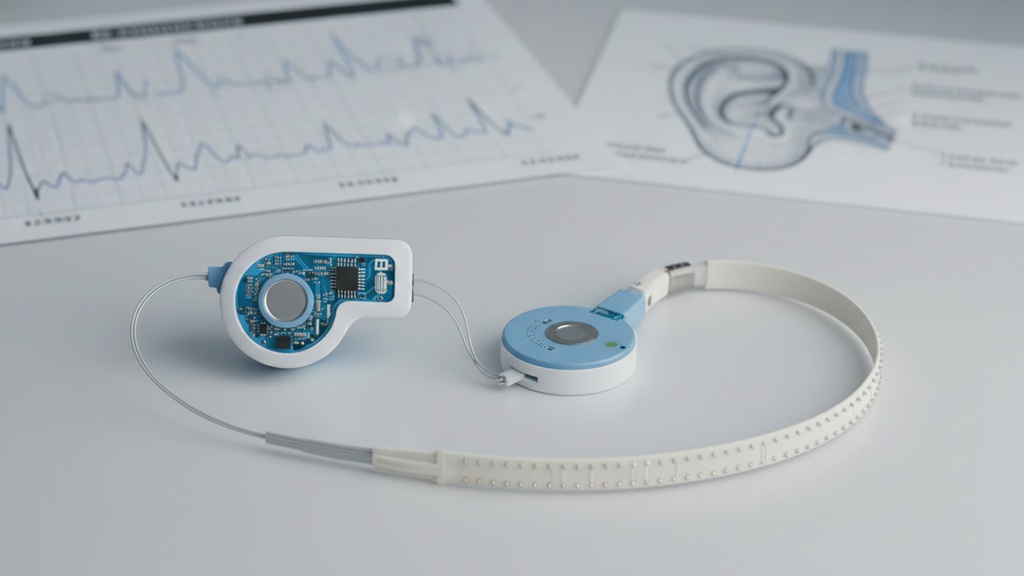
Doctors and families have reported early device failure in some Advanced Bionics HiRes Ultra and HiRes Ultra 3D cochlear implants. In many cases, routine follow-up testing revealed abnormal impedance levels across multiple electrodes. Audiologists noted unexpected shifts in impedance values and reduced signal output, which can indicate internal device malfunction rather than programming or external processor issues.
Patients described a gradual loss of sound quality or speech understanding before complete failure occurred. Other recipients experienced a sudden loss of hearing benefit without warning. Surgeons reported that some implants stopped providing effective electrical stimulation far earlier than the expected lifespan of a cochlear implant, which is generally designed to function for decades.
When performance decline progressed or testing confirmed a malfunction, clinicians often recommended revision surgery. Revision procedures involve removing the implanted device and replacing it with a new implant. Hospitals documented that revision surgery carries additional risk compared to initial implantation due to scar tissue, altered anatomy, and the need to protect remaining cochlear structures. Recovery commonly required new device programming, repeat audiology visits, and renewed speech or auditory therapy.
Pediatric specialists raised particular concern for children who lost hearing input after device failure. Consistent auditory stimulation plays a key role in speech and language development. Even temporary loss of sound can disrupt language progress, educational development, and social interaction. Some children required intensified therapy following reimplantation to regain previously achieved communication skills.
Medical studies and institutional reviews later identified a failure mechanism involving fluid ingress into the electrode array. Researchers reported that body fluid entered the internal electrode region, interfering with electrical signaling. This process correlated with declining speech perception scores, abnormal impedance patterns, and progressive loss of hearing benefit before complete device failure.
Published data from cochlear implant centers showed that a notable portion of affected devices exhibited these abnormalities during routine monitoring. In some cases, physicians recommended explant surgery before total failure occurred due to clear evidence of ongoing performance deterioration. Researchers noted that similar findings appeared across multiple treatment centers, suggesting a consistent device-related issue rather than isolated surgical error or patient-specific factors.
Clinical reports also showed that outcomes after replacement varied. Many patients regained useful hearing following reimplantation, but results depended on factors such as age, duration of hearing disruption, and individual anatomy. Physicians emphasized that revision surgery introduces risks and burdens that would not arise if the original implant maintained expected performance.
2020 Recall and Field Corrective Action
In February 2020, Advanced Bionics announced a voluntary recall and field corrective action involving the original versions of its HiRes Ultra and HiRes Ultra 3D cochlear implants. Company statements and regulatory notices explained that a subset of implanted devices showed signs of performance degradation over time. The action is applied to specific implant models and manufacturing periods rather than the entire product line.
According to materials released after the recall, the manufacturer identified an issue affecting the internal electrode array. Investigators later described a pathway that allowed body fluid to enter the electrode region of some implants. In affected devices, that exposure interfered with electrical stimulation, which reduced hearing benefit and, in some cases, led to complete device failure. Patients often experienced declining sound quality, abnormal test results, or sudden loss of auditory input before full malfunction occurred.
Clinicians reported that many recipients of recalled implants ultimately required explant surgery, a procedure that involves removing the internal device and implanting a replacement. Medical records and follow-up reports showed that explant decisions were frequently based on documented performance decline rather than patient preference alone. For some individuals, revision surgery occurred months or years after implantation, well before the expected lifespan of the device.
Subsequent publications from cochlear implant centers examined outcomes following the recall. Several institutional studies reported higher-than-anticipated explant rates among certain batches of HiRes Ultra and HiRes Ultra 3D implants. Researchers documented recurring patterns of abnormal impedance measurements, reduced speech perception scores, and progressive loss of hearing benefit before revision. These findings appeared across multiple treatment centers, not limited to a single clinic or surgical team.
Lawyers reviewing the recall history point to these follow-up findings as evidence that reported failures followed a consistent and identifiable pattern. Legal filings often argue that the observed issues reflect a device-related problem rather than isolated misuse, surgical error, or patient-specific anatomy. Courts and regulators continue to rely on recall notices, medical literature, and internal performance data as cases related to the affected implants move forward.
Federal False Claims Act Settlement and Regulatory Context
In 2022, Advanced Bionics agreed to pay more than 12 million dollars to resolve federal allegations involving testing representations for certain external cochlear implant processors, not the internal implants themselves. According to public statements from the U.S. Department of Justice, the government alleged that the company submitted inaccurate or incomplete information during premarket review related to radio frequency emissions for the Neptune and Naida sound processors.
Federal authorities stated that the processors were represented as meeting an international radio frequency emissions standard, even though testing data allegedly did not support that conclusion. The case focused on whether those representations affected reimbursement eligibility under federal health care programs rather than on patient injury from device malfunction.
The enforcement action arose under the False Claims Act after a former Advanced Bionics engineer filed a whistleblower, or qui tam, lawsuit. The government alleged that reimbursement claims were submitted to Medicare and Medicaid for processors that allegedly lacked compliant testing documentation. As part of the resolution, the whistleblower received a portion of the recovery, as permitted under federal law. Advanced Bionics denied wrongdoing, and the settlement did not include a court finding of liability or an admission of fault. Government announcements emphasized that the agreement resolved disputed allegations related to regulatory submissions and reimbursement claims. The settlement did not involve a product recall, nor did it directly address the performance of internal cochlear implants.
Although the federal case focused on testing and reimbursement rather than implant failure, lawyers and regulatory analysts often reference it when reviewing the company’s broader compliance history. In litigation involving recalled cochlear implants, plaintiffs’ counsel sometimes cite the False Claims Act settlement as contextual background when assessing regulatory oversight, internal controls, and the timing of disclosures to federal agencies. Courts continue to treat the settlement as a separate regulatory matter, distinct from medical device defect claims tied to implant performance.
Class Actions and Ongoing Investigations in North America
Canada
Canadian litigation plays a central role in current cochlear implant cases. Law firms have filed proposed class actions on behalf of people implanted with HiRes Ultra or HiRes Ultra 3D devices. Proceedings cover patients outside Quebec and a separate group within Quebec.
Court filings allege fluid ingress, hearing degradation, and elevated rates of explant surgery. Plaintiffs seek compensation for revision procedures, out-of-pocket costs, lost income, and non-economic harm such as pain and distress. Authorization and certification decisions remain ongoing.
United States
In the United States, investigations remain more decentralized. ClassAction.org reports that lawyers continue to review potential claims for patients who experienced early failure or underwent replacement surgery after receiving HiRes Ultra or Ultra 3D implants.
Attorneys consider whether cases should proceed as individual product liability claims, consumer class actions focused on economic loss, or coordinated proceedings if filings increase. No nationwide multidistrict litigation has yet been formed.
Common Alleged Harms
Patients and families describe alleged harm in both medical and financial terms after reported cochlear implant failure. Many accounts begin with a noticeable change in hearing performance rather than immediate device shutdown. Some recipients reported progressively poorer sound quality, difficulty understanding speech, or inconsistent auditory input during daily use. Others experienced a sudden loss of hearing benefit without warning, which clinicians later associated with a confirmed device malfunction.
Medical complaints often appeared before explant surgery. Patients described pain around the implant site, dizziness, headaches, or balance disturbances. In some cases, audiology testing showed declining speech perception scores or abnormal measurements before full device failure occurred. Physicians documented that these symptoms sometimes prompted additional testing and closer monitoring before recommending revision surgery.
Children faced distinct challenges after the device shutdown. Parents reported loss of previously achieved speech and language progress once auditory input stopped or became unreliable. Pediatric specialists noted that interruptions in hearing during key developmental periods may affect pronunciation, vocabulary growth, classroom participation, and social interaction. Some children required intensified speech therapy and educational support following reimplantation.
Financial and logistical burdens also formed a significant part of reported harm. Families described missed work during medical appointments and recovery periods. Many incurred travel and lodging expenses when revision surgery required visits to specialized implant centers. Caregivers often took unpaid leave to support children through surgery, recovery, and follow-up therapy. Extended rehabilitation increased overall costs even when insurance covered part of the procedure.
Medical literature indicates that many patients regained useful hearing after reimplantation with a replacement device. However, outcomes varied based on factors such as age, length of hearing disruption, and individual anatomy. Physicians consistently noted that revision surgery introduces risks, recovery time, and emotional strain that would not exist if the original implant had performed as expected.
Lawyers evaluating these cases argue that avoidable repeat surgery may support claims for damages related to physical pain, emotional distress, and diminished quality of life. Legal filings often distinguish between the possibility of hearing recovery and the separate burden imposed by additional surgery, prolonged therapy, and disruption to daily living.
Legal Theories Under Review
Most lawsuits involving Advanced Bionics cochlear implants rely on established product liability principles rather than novel legal theories. Plaintiffs generally argue that the devices failed to perform as intended and that the alleged failures caused avoidable harm. One common theory involves a design defect. Some complaints allege that aspects of the electrode array design allowed body fluid to enter areas critical to electrical stimulation. According to these filings, fluid exposure interfered with signal delivery and led to reduced hearing benefit or complete device failure. Plaintiffs argue that the design made certain implants unreasonably susceptible to malfunction under normal conditions of use.
Other cases emphasize manufacturing defect claims. These allegations focus on whether specific implant batches deviated from intended specifications or quality standards during production. Lawyers point to higher-than-expected failure rates in certain manufacturing periods as potential evidence that individual devices left the factory in a defective condition.
A further category of claims centers on failure to warn. Plaintiffs allege that surgeons and patients did not receive timely or sufficient information about known performance issues. Some filings argue that earlier or clearer warnings could have prompted closer monitoring, alternative device selection, or earlier intervention before complete failure occurred. Courts often examine the timing, content, and distribution of recall notices and field safety communications when assessing these claims.
In addition to personal injury allegations, some lawsuits seek economic damages. These claims request reimbursement for the lost value of implants that failed before a reasonable service life, as well as associated costs such as replacement hardware and related medical care. In certain jurisdictions, plaintiffs argue that even patients who regained hearing after reimplantation suffered economic loss due to premature device failure.
A limited number of complaints also raises the possibility of enhanced or punitive damages under state law. Those theories typically depend on evidence showing that the manufacturer knew of safety risks and failed to act promptly or adequately. Courts have not yet issued broad rulings on these claims in connection with the HiRes Ultra or HiRes Ultra 3D devices, and outcomes may vary based on jurisdiction and case-specific evidence.
Damages and Potential Exposure for the Manufacturer
Claims involving Advanced Bionics cochlear implants seek several categories of damages that reflect both medical impact and financial loss. Plaintiffs generally argue that early device failure imposed costs and risks that would not have occurred if the implants had performed as expected over a reasonable service life.
Medical expenses form a core component of many claims. These include costs tied to explant surgery, hospitalization, anesthesia, post-operative care, and follow-up audiology services. Patients often require repeated programming sessions and renewed therapy after reimplantation. Families also report travel and lodging expenses when revision surgery takes place at specialized implant centers.
Economic loss claims extend beyond direct medical bills. Some lawsuits seek reimbursement for the diminished value of implants that failed prematurely. Plaintiffs argue that a cochlear implant is intended to function for many years and that early failure represents a loss of the benefit originally paid for by patients, insurers, or public health programs. Caregivers may also claim lost income when time away from work becomes necessary to support treatment and recovery.
Non-economic damages appear in many filings as well. Patients describe pain, emotional distress, and loss of enjoyment of daily life following device failure and repeat surgery. Parents often describe anxiety and disruption when children lose access to sound during important developmental periods. Courts typically evaluate these claims based on individual circumstances rather than uniform formulas.
Some complaints raise the possibility of enhanced or punitive damages under certain state laws. These claims depend on proof that the manufacturer knew of a safety risk and failed to act appropriately. Courts have not yet issued broad rulings on such exposure related to the HiRes Ultra or HiRes Ultra 3D implants, and any determination would depend on evidence uncovered during litigation.
How Courts Analyze Medical Device Defect Claims
Courts reviewing medical device lawsuits generally follow established frameworks when analyzing defect allegations. Judges and juries focus on evidence rather than outcomes alone. A device failure by itself does not automatically establish liability. For design defect claims, courts examine whether the product’s design created an unreasonable risk when used as intended. Plaintiffs often present expert testimony comparing the challenged design to feasible alternatives or pointing to patterns of failure across multiple patients. Courts also consider whether the alleged defect existed at the time the device left the manufacturer’s control.
In manufacturing defect cases, the analysis centers on whether a specific device deviated from approved specifications or quality standards. Evidence may include batch records, internal testing data, and failure rates associated with particular manufacturing periods. Plaintiffs must typically show that their device differed from others in the same product line. Failure to warn claims require courts to assess the adequacy and timing of warnings provided to surgeons and patients. Judges review product labeling, safety communications, recall notices, and field corrective actions. The key question often involves whether earlier or clearer warnings would have altered clinical decisions or patient monitoring.
Courts also evaluate causation, which links the alleged defect to the claimed harm. Medical records, audiology data, and expert analysis play a central role in determining whether device performance issues caused the need for revision surgery or other injuries. Finally, courts consider damages separately from liability. Even when a defect is established, compensation depends on the scope of harm proven in each case. Outcomes can vary widely based on jurisdiction, individual medical history, and the strength of supporting evidence.
Who May Be Considered in Investigations
Law firms often describe similar screening criteria:
Implantation with HiRes Ultra or HiRes Ultra 3D devices between roughly 2017 and 2020
Documented performance decline, abnormal testing, or sudden failure
Recommendation for explant or completed revision surgery
Attorneys typically request operative reports, audiology records, recall notices, and manufacturer correspondence to evaluate claims. Eligibility standards vary by jurisdiction and by the structure of each case.
Litigation Outlook
Litigation involving Advanced Bionics cochlear implants remains active. Canadian class actions continue through early procedural stages. U.S. investigations evolve as more patient data becomes available.
Observers note that outcomes in one jurisdiction may influence negotiations or filings elsewhere. Regulatory history, including the recall record and federal settlement, keeps the manufacturer under continued scrutiny as courts assess new allegations tied to patient safety.
Summary
Advanced Bionics cochlear implant lawsuits bring together recall history, medical findings, and prior federal enforcement in a single developing dispute. Patients report early device failure, hearing disruption, and revision surgery after implantation with certain HiRes Ultra and HiRes Ultra 3D devices. Canadian class actions and U.S. investigations examine whether design flaws, manufacturing issues, or delayed warnings caused avoidable harm. Scientific studies and government records provide context as courts and regulators continue to evaluate the claims.
FAQs
Is Advanced Bionics a good cochlear implant?
Advanced Bionics is a widely used cochlear implant manufacturer, and many patients have benefited from its devices. Outcomes vary by model, implantation period, and patient factors. Some models, including certain HiRes Ultra devices, have been linked to reported failures and recalls.
Is Advanced Bionics FDA-approved?
Yes. Advanced Bionics cochlear implant systems have received approval or clearance from the U.S. Food and Drug Administration. FDA approval does not prevent later recalls or safety actions if post-market issues arise.
What is the cochlear implant scandal?
There is no official “cochlear implant scandal.” The term is sometimes used to describe the 2020 recall of certain Advanced Bionics implants and a separate 2022 federal settlement related to testing representations for external processors. The company denied wrongdoing, and no court found liability.
What is the warranty on Advanced Bionics cochlear implants?
Advanced Bionics provides limited warranties for cochlear implant components. Coverage varies by device and location and may not include medical costs such as revision surgery, therapy, or travel expenses.

Sadia Parveen is a content writer at ClassAction24.com who creates informational articles on class action lawsuits, consumer protection matters, and legal developments. Her work focuses on researching publicly available information and presenting it in a clear and neutral format for general readers. She does not provide legal advice or professional legal services.

Musarat Bano serves as an editor at ClassAction24.com. She reviews articles for clarity, structure, and editorial consistency to ensure content remains factual, neutral, and suitable for informational publishing. Her role is limited to editorial review and presentation.