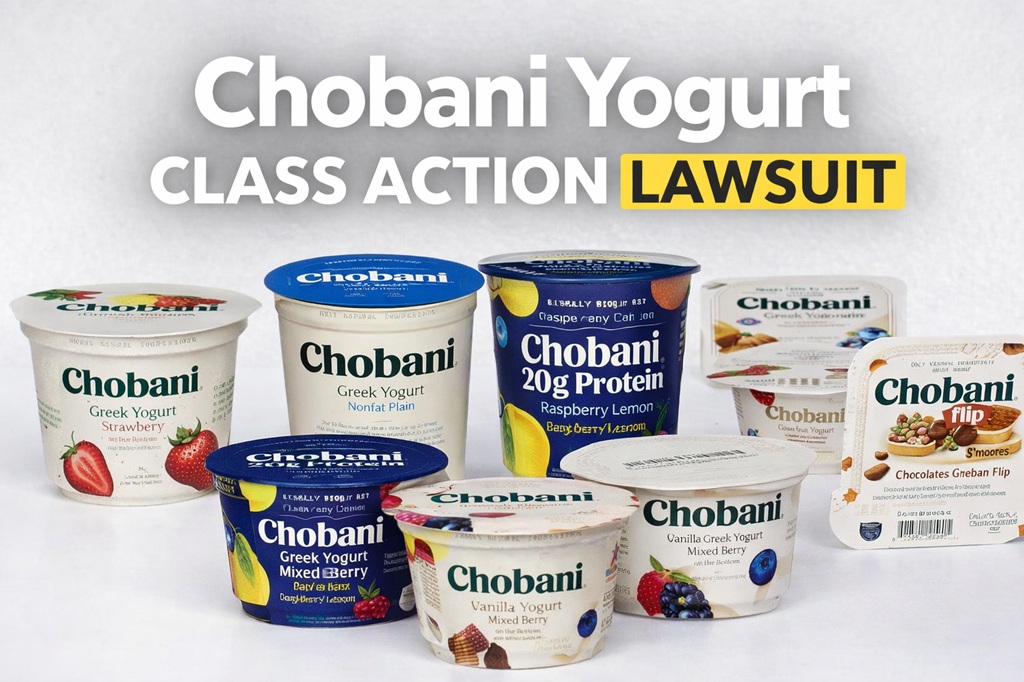
Chobani Yogurt Class Action Lawsuit Alleges Toxic Man-Made Chemicals in “Natural” Yogurt
A Chobani Yogurt Class Action Lawsuit now raises questions about food labeling and consumer trust. A newly filed consumer case alleges that certain Chobani yogurt products marketed as “natural” may contain synthetic chemicals linked to plastic packaging. The allegations focus on how product labels describe ingredients and what buyers reasonably expect when purchasing food sold as natural.
A proposed Chobani Yogurt Class Action Lawsuit claims that some Greek yogurt products contained man-made chemicals despite packaging that stated “only natural ingredients.” The case examines whether those statements created a misleading impression for consumers who relied on natural labeling when making purchase decisions.
What Is the Chobani Yogurt Lawsuit About?
The lawsuit, Wysocki v. Chobani LLC, was filed on April 16, 2025, in federal court by a California consumer who alleges she was misled by product labeling on certain Chobani yogurt products. According to the complaint, independent laboratory testing conducted by PlasticList allegedly detected the presence of synthetic plastic-related chemicals in specific Chobani yogurts marketed as “only natural.” The products specifically named in the lawsuit are:
Chobani Nonfat Plain Greek Yogurt
Chobani Whole Milk Plain Greek Yogurt
The lawsuit alleges that testing identified multiple phthalates, a category of man-made chemicals commonly used in plastic materials. Phthalates are not added as food ingredients. Instead, the complaint claims they can migrate into food from plastic containers, lids, or manufacturing and storage materials over time.
The plaintiff contends that the alleged presence of these chemicals directly conflicts with Chobani’s “only natural ingredients” representations displayed on product packaging. According to the lawsuit, reasonable consumers interpret “natural” labeling to mean that a product is free from synthetic or man-made substances, regardless of whether those substances originate from ingredients or packaging.
The complaint further alleges that Chobani, as the product manufacturer, is in a position to know the composition of its packaging materials and the potential for chemical migration into food products. The plaintiff claims that Chobani either knew or should have known about the risk of plastic-related chemicals entering the yogurt but failed to disclose that information to consumers. Based on these allegations, the lawsuit asserts that consumers paid a premium for products they believed were fully natural and that the labeling was misleading under consumer protection laws.
Which Chemicals Does the Lawsuit Allege Were Found?
The complaint relies on laboratory testing performed by an independent research organization. According to the lawsuit, the testing identified multiple phthalates in the yogurt products at issue. Phthalates are synthetic chemicals commonly used in plastic materials. Such chemicals do not qualify as food ingredients and provide no nutritional value. The complaint explains that phthalates appear in plastic containers, lids, seals, and food-contact materials used during manufacturing and distribution. Research cited in the lawsuit links phthalates to hormone disruption and other health concerns examined by public health agencies.
The lawsuit alleges that phthalates can migrate into food during:
Storage inside plastic containers
Contact with plastic lids or seals
Transportation and distribution over time
The complaint states that longer storage periods and repeated plastic contact may increase migration risk. The plaintiff claims consumers who purchase food labeled as natural do not expect exposure to synthetic plastic-related chemicals.
Based on those allegations, the lawsuit argues that the presence of phthalates conflicts with consumer expectations created by natural labeling and supports claims of misleading marketing under consumer protection laws.
Why Are Phthalates a Concern in Food Products?
Public health research has examined risks tied to phthalate exposure. The complaint states that phthalates function as endocrine disruptors. Endocrine disruption affects hormone balance in the body. Scientific studies cited in the lawsuit associate phthalates with respiratory conditions, neurological effects, and increased cancer risk.
Medical professionals and public health experts have urged limits on phthalate use in materials that contact food. Regulatory discussion has focused on long-term exposure rather than acute harm. The lawsuit does not claim physical injury. The claims center on undisclosed exposure risk and economic harm tied to product labeling. The complaint frames the concern around consumer expectations created by natural labeling rather than medical diagnosis or toxic injury.
Why Does the Lawsuit Claim Chobani’s Labeling Is Misleading?
The plaintiff is a California consumer who purchased Chobani Nonfat Plain Greek Yogurt in 2023. The purchase decision followed review of the product label, which stated that the yogurt contained only natural ingredients. The complaint states that no disclosure appeared on the packaging regarding synthetic chemicals linked to plastic containers. The plaintiff claims no warning suggested that plastic-related substances could enter the yogurt during storage or distribution.
The lawsuit alleges several points tied to consumer perception and company knowledge. The complaint alleges that:
Reasonable consumers associate natural labeling with the absence of man-made chemicals
Consumers do not separate ingredient content from packaging sources when evaluating natural claims
Packaging-related chemical exposure falls outside common consumer expectations
The lawsuit further alleges that Chobani controls packaging design and material selection. The complaint states that manufacturers typically maintain access to supplier information, testing data, and material specifications for food containers. According to the lawsuit, such access places the company in a position to understand risks tied to chemical migration from plastic packaging. The complaint alleges that no disclosure addressed those risks on the product label or marketing materials.
The plaintiff claims that the absence of disclosure caused consumers to rely on the natural labeling when making purchasing decisions. The complaint states that the yogurt carried a price associated with natural branding. The lawsuit asserts that knowledge of potential phthalate exposure would have altered the purchase decision. The plaintiff claims she would not have bought the product or would have paid less had the alleged information been disclosed. Based on those allegations, the lawsuit argues that the natural labeling created a misleading impression under consumer protection laws.
What Products Are Included in the Case?
The lawsuit identifies specific yogurt products sold under the Chobani brand. The complaint names the following products:
Chobani Nonfat Plain Greek Yogurt
Chobani Whole Milk Plain Greek Yogurt
The lawsuit focuses on plain yogurt varieties that carried “only natural ingredients” labeling at the time of purchase. The complaint ties the claims to how consumers interpreted that labeling when selecting these products. The proposed class definition also references substantially similar products. That language allows the case to extend beyond the two named items if evidence shows comparable labeling, packaging materials, or production methods.
Courts often review product similarity during later stages of litigation. The final list of covered products has not been determined. Any expansion of the product scope would depend on court rulings, discovery findings, and class certification decisions as the case moves forward.
What Laws Does the Chobani Lawsuit Cite?
The case relies on California consumer protection statutes that regulate advertising and business practices. The lawsuit asserts claims under the following laws:
California Unfair Competition Law
California Consumers Legal Remedies Act
The complaint alleges that product labeling created a misleading impression for consumers. The claims focus on false advertising, deceptive practices, and unlawful conduct tied to marketing representations. The lawsuit does not assert personal injury claims. The allegations center on economic harm related to purchase decisions and price premiums associated with natural labeling.
Who May Be Included in the Proposed Class?
The plaintiff seeks to represent consumers located throughout the United States. The proposed class definition focuses on purchase history rather than personal injury. The complaint describes the class as including individuals who bought specific Chobani yogurt products during a defined time period. The proposed class includes:
United States residents
Purchasers of the identified Chobani yogurt products
Purchases made during the applicable statute of limitations period
The lawsuit does not limit class membership to California residents. The complaint alleges that the challenged labeling and packaging practices are applied nationwide. The plaintiff claims consumers across the country encountered the same natural ingredient representations on product packaging. Class membership has not been approved. A federal court must first certify the class before claims can proceed on a classwide basis.
Courts typically review several factors during certification, including product uniformity, labeling consistency, and whether common issues predominate over individual questions. The final scope of the class may change. Discovery findings, court rulings, or amendments to the complaint may narrow or expand eligibility. Any consumer recovery would depend on class certification, proof requirements, and the outcome of the litigation or a potential settlement.
Has a Court Ruled on the Chobani Yogurt Lawsuit?
No court ruling has occurred. The case remains at an early stage of litigation. The complaint was recently filed, and the court has not evaluated the merits of the claims. Current case status includes:
The lawsuit remains newly filed
Liability has not been established
No judicial findings address the allegations
No product recall has occurred
No FDA enforcement action has been announced
All claims remain allegations only. The court will review any motions and evidence before making determinations as the case proceeds.
What Should Consumers Do Now?
Consumers who purchased the identified Chobani yogurt products can take practical steps while the lawsuit remains pending. Purchase records may help confirm eligibility if the case moves forward. Receipts, store records, or transaction histories can support future claims. Some settlements allow claims without documentation, though requirements vary by case.
Case updates may clarify eligibility, covered products, and time periods. Court filings, rulings, or settlement discussions can change the scope of consumer rights. Monitoring developments helps consumers stay informed about potential options. Settlement announcements often occur without advance notice. Deadlines may apply once a resolution becomes public. Late claims sometimes face rejection even when eligibility exists.
Current consumer actions often include:
Retaining receipts or purchase confirmation
Tracking case developments through reliable legal news sources
Reviewing settlement terms if one becomes available
No settlement exists at this stage. No claims process has opened. Any future recovery would depend on court approval, settlement terms, and compliance with submission requirements. Legal outcomes remain uncertain. Further developments will determine available consumer options.
What Happens Next in the Case?
The Chobani Yogurt Class Action Lawsuit now moves into early procedural stages. Chobani will receive formal service of the complaint. A response deadline will follow under federal court rules. The company may file an answer or submit a motion to dismiss that challenges the legal sufficiency of the claims.
Early litigation activity often focuses on labeling standards. Courts review how reasonable consumers interpret marketing terms such as natural. Judges also examine pleading detail, reliance allegations, and statutory standing under consumer protection laws. Common next steps include:
Filing of a motion to dismiss
Legal briefing on advertising and disclosure duties
Court review of testing allegations and packaging claims
Initial discovery planning if the case proceeds
Class certification will not occur immediately. Courts typically address dismissal motions before evaluating classwide issues. Certification analysis later examines product uniformity, labeling consistency, and common consumer impact. Many food labeling class actions resolve through settlement after early motions. Settlement timing varies by case. No settlement discussions have been disclosed at this stage. Case outcomes remain uncertain. Court rulings and factual development will shape the direction of the litigation.

Sadia Parveen is a content writer at ClassAction24.com who creates informational articles on class action lawsuits, consumer protection matters, and legal developments. Her work focuses on researching public court records, official filings, and reputable news sources, then presenting it in a clear and neutral format for general readers. Her articles follow the ClassAction24.com editorial policy and are reviewed by an editor before publication. She does not provide legal advice or professional legal services.

Musarat Bano serves as an editor at ClassAction24.com. She reviews articles for accuracy, sourcing, clarity, and editorial consistency before publication. She checks that legal claims trace back to public court records, official filings, and reputable news sources, and that reported claims are clearly separated from confirmed facts. Her role is limited to editorial review and presentation, and she does not provide legal advice or professional legal services.