Talcum Powder Lawsuit: Settlement, Claims, Ovarian Cancer Risk 2026 Update
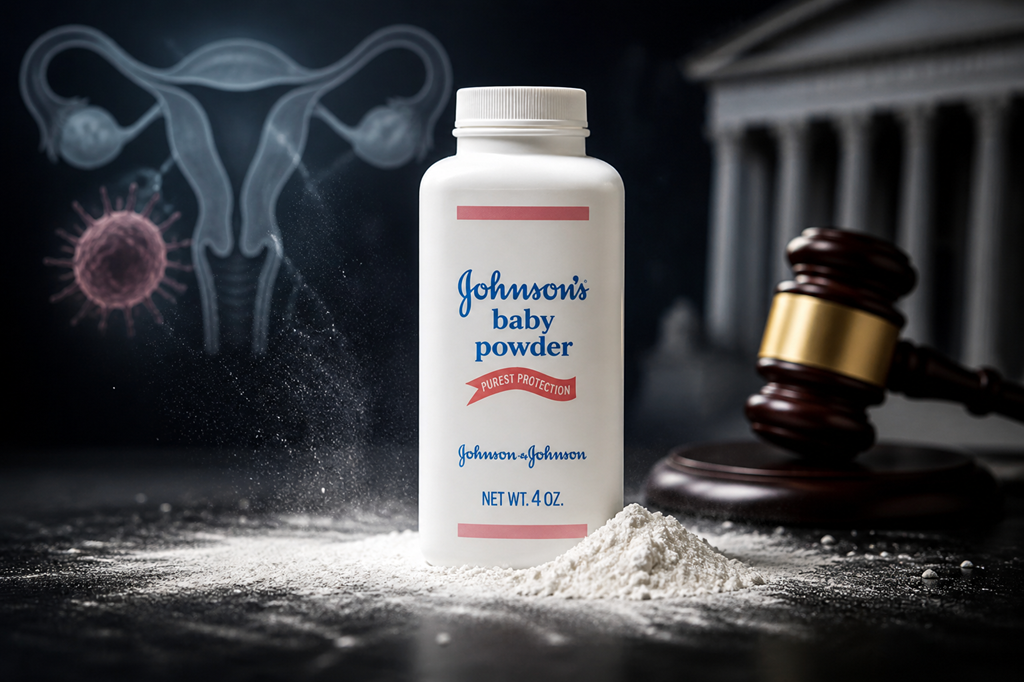
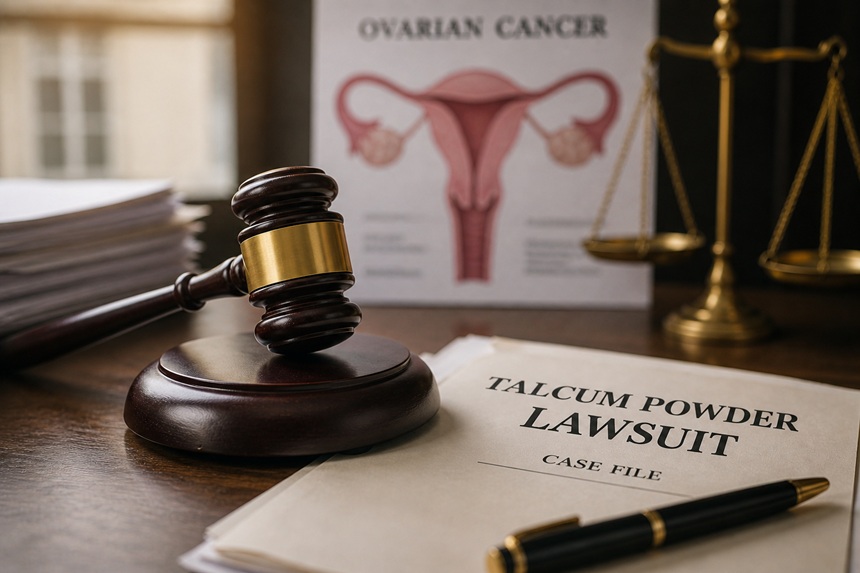
The talcum powder lawsuit has become one of the most discussed product liability cases in the United States. Thousands of people filed claims against Johnson & Johnson over concerns that long-term use of talc-based products may increase cancer risk. Many cases focus on Ovarian Cancer. Other claims involve Mesothelioma linked to possible Asbestos contamination. Courts now review medical evidence, internal company records, and expert testimony to determine liability.
You should understand that this issue remains complex. Scientific studies show mixed results. Legal claims rely on proof, not assumptions. The case continues to evolve as new lawsuits enter the system and courts issue new decisions.
This guide explains the latest 2026 updates, key legal arguments, eligibility rules, settlement trends, and what you should know before filing a claim.
What Is the Talcum Powder Lawsuit?
The talcum powder lawsuit focuses on claims that certain products may cause cancer. Many lawsuits target Johnson & Johnson and its talc-based products. Plaintiffs claim long-term use of talcum powder led to serious health issues. Most cases involve Ovarian Cancer. Some cases involve Mesothelioma due to alleged Asbestos contamination.
Courts review whether the company failed to warn users about potential health risks. Many claims argue that internal reports showed safety concerns. The litigation includes thousands of cases across the United States. Federal courts manage many claims through multidistrict litigation (MDL). State courts also handle individual lawsuits.
You should understand that claims follow different legal theories. Some focus on talc exposure. Others focus on asbestos contamination. This lawsuit stands as one of the largest product liability cases in recent years.
Talcum Powder Lawsuit 2026 Status: Is the Case Still Active?
The talcum powder lawsuit remains active in 2026. Courts continue to review thousands of pending claims. Johnson & Johnson attempted to resolve these claims through a bankruptcy strategy. Courts rejected multiple attempts. Judges ruled that the company could not use a subsidiary to limit liability. This decision forced continued litigation.
Settlement discussions continue. Some legal experts expect large-scale agreements. No global settlement exists yet. New claims still enter the system. Filing deadlines depend on state laws. Time limits vary based on diagnosis and exposure history.
You should act quickly if you plan to file a claim. Delays may affect eligibility. Recent developments continue to appear in major legal reporting platforms that track ongoing litigation.
Which Talcum Powder Products Are Involved?
Several products appear in these lawsuits:
- Johnson’s Baby Powder
- Shower-to-Shower body powder
- Other talc-based cosmetic powders
Plaintiffs claim these products contained unsafe talc or asbestos contamination. Some companies have now shifted to cornstarch-based products. This product shift reflects ongoing legal and safety concerns.
Why Is Talc Linked to Cancer?
Researchers studied the link between talc and cancer for decades. Some studies suggest a possible connection between talc use and ovarian cancer. The National Center for Biotechnology Information published research reviewing available evidence. Results show mixed conclusions.
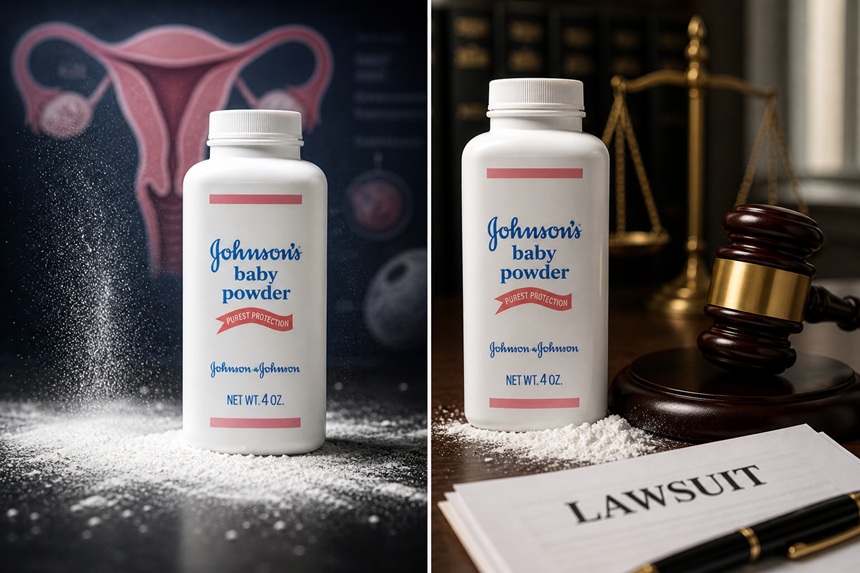
Some scientists believe talc particles may travel through the reproductive system. This process may cause inflammation over time. Other claims focus on asbestos contamination. Asbestos is a known carcinogen. It has strong links to Mesothelioma.
You should know that not all talc products contain asbestos. However, lawsuits claim contamination occurred in some cases. Courts rely on expert testimony, internal records, and scientific data. You can review published studies that show mixed findings in the National Center for Biotechnology Information research on talc and cancer risk.
Scientific Evidence vs Legal Claims
Scientific research does not always match legal standards. Medical studies show mixed results. Some support a risk link. Others do not confirm it.
Courts follow a different approach. Judges review:
- Expert witness testimony
- Internal company documents
- Product testing reports
- Exposure history
You should understand that legal cases depend on the strength of the evidence, not one study. Health agencies confirm that Asbestos exposure is strongly linked to cancer, including mesothelioma.
Difference Between Ovarian Cancer and Mesothelioma Claims
Ovarian cancer claims focus on long-term use of talcum powder in the genital area. Plaintiffs argue that repeated exposure increased cancer risk. Mesothelioma claims involve asbestos exposure. Plaintiffs claim talc products contained asbestos fibers.
Key differences include:
- Ovarian cancer relies on usage patterns
- Mesothelioma relies on asbestos exposure proof
- Medical evidence differs
- Legal strategy differs
Courts treat these claims differently. Evidence requirements also differ. You should identify your condition before filing a claim. This step helps determine the legal strategy.
Timeline of Talcum Powder Lawsuits
The talc controversy developed over several decades.
- 1970s: Early concerns about talc safety
- 2000s: First major lawsuits filed
- 2018: Large jury verdicts increased attention
- 2020–2023: Bankruptcy strategy introduced
- 2024–2026: Courts rejected key defenses
This timeline shows long-term legal and scientific debate.
Major Verdicts and Settlement Updates
Several jury verdicts shaped the direction of this litigation. One major case involved a multibillion-dollar award in Missouri. The court found that product risks were not properly disclosed. Other cases also resulted in significant compensation. Some verdicts reached millions of dollars per plaintiff.
Johnson & Johnson challenged many of these outcomes. Appeals reduced or overturned some awards. Settlement discussions continue across many cases. Some plaintiffs received individual settlements. A global settlement has not been finalized.
You should understand that verdicts do not guarantee similar payouts. Each case depends on its facts, evidence, and jurisdiction. Legal experts expect continued negotiations. Courts may push toward broader resolution in the future.
The Bankruptcy Strategy Explained (Texas Two-Step)
The company introduced a strategy known as the Texas Two-Step. This approach involved creating a new entity to hold legal liabilities. Johnson & Johnson transferred talc-related claims to that entity. The entity then filed for bankruptcy protection.
The goal focused on limiting financial exposure. This strategy aimed to resolve claims through a controlled settlement process. Courts rejected this approach multiple times. Judges ruled that the company could not use bankruptcy to avoid full accountability. These decisions forced the company back into traditional litigation. Plaintiffs continue to pursue claims through the court system. You should know that this issue remains central to the case. It affects how and when settlements may occur.
Multidistrict Litigation (MDL) Explained
Many talcum powder cases are part of multidistrict litigation. MDL groups similar cases in one federal court. This process improves efficiency. Each case remains separate but shares evidence and procedures.
You should know that MDL does not guarantee a settlement. It only organizes the process. The federal court system explains how cases are grouped through the MDL process.
Statute of Limitations Explained
Each claim must meet a legal deadline.
Time limits depend on:
- State law
- Diagnosis date
- Discovery of illness
Some states apply the discovery rule. This rule starts the clock when the illness is discovered. You should act quickly to protect your legal rights.
Who Qualifies for a Talcum Powder Lawsuit?
Eligibility depends on several factors. You should meet specific conditions before filing a claim.
You may qualify if:
- You used talcum powder products for an extended period
- You received a diagnosis of ovarian cancer or mesothelioma
- You can show a history of product use
- You have medical records that support your condition
Courts examine exposure duration and product type. They also review medical timelines and diagnosis dates. You should collect relevant documents before filing. Strong evidence increases the chance of a valid claim. Each case requires individual review. Legal professionals often assess eligibility based on detailed records.
Who May Not Qualify for a Claim?
Some cases may not meet legal requirements. You should understand these limits before proceeding.
You may not qualify if:
- You lack proof of talcum powder use
- You do not have a related medical diagnosis
- Your claim falls outside the legal time limit
- Your exposure history remains unclear
Courts require clear evidence. Weak documentation may result in case dismissal. You should review your situation carefully. This step helps avoid delays and legal complications.
Average Settlement Amounts and Payout Factors
Settlement amounts vary widely. Some cases result in high payouts, while others settle for lower amounts.
Several factors influence compensation:
- Severity of the illness
- Length of product use
- Strength of medical evidence
- Age and health condition of the plaintiff
- Financial losses and treatment costs
High-profile verdicts reached billions of dollars. These cases often involved multiple plaintiffs. Individual settlements usually fall within a lower range. Exact figures depend on case details. You should avoid relying on average estimates. Each claim follows a unique path.
How to File a Talcum Powder Lawsuit
You should follow a clear process when filing a claim.
First, gather your medical records and product history. This step provides the foundation for your case.
Next, consult a legal professional who handles product liability claims. They review your situation and advise on eligibility.
Then, your attorney files a complaint in court. The case may join a multidistrict litigation process.
After filing, both sides exchange evidence. This stage is known as discovery.
The case may move toward settlement discussions or trial. The timeline depends on court procedures and case complexity.
What Evidence Do You Need?
Strong evidence plays a key role in these cases. You should prepare documents that support your claim.
Important evidence includes:
- Medical diagnosis reports
- Treatment records
- Proof of talcum powder use
- Purchase history or product identification
- Expert medical opinions
Courts review both medical and factual records. They also consider expert testimony. You should organize your documents early. This step improves case strength and clarity.
How Long Does a Talcum Powder Case Take?
The duration of a case depends on several factors. Some cases resolve within a few years. Others take longer. Multidistrict litigation may slow the process. Courts manage large groups of cases together.
Settlement discussions may shorten the timeline. Trials may extend it. You should prepare for a long process. Legal cases often require patience and detailed review.
FAQs
Is talc powder linked to ovarian cancer?
Some studies suggest a possible link between talc use and ovarian cancer. Other studies show no strong connection. The National Center for Biotechnology Information reports mixed findings.
You should know that courts review expert evidence, not one study. The issue remains debated.
Is talcum powder still cancerous?
Talc itself is not always cancerous. The main concern involves possible asbestos contamination. Johnson & Johnson states its products are safe. Lawsuits claim past risks. Some brands now use cornstarch instead of talc.
What is the average payout for a talcum powder lawsuit?
Payouts vary by case. Some verdicts reached high amounts. Most individual settlements fall lower. Factors include illness severity and evidence strength. You should expect different outcomes for each case.
Is the talcum powder lawsuit legit?
Yes, the lawsuit is real and ongoing. Courts reviewed thousands of claims. Johnson & Johnson continues to defend the cases. Judges decide each claim based on evidence and facts.

Sadia Parveen is a content writer at ClassAction24.com who creates informational articles on class action lawsuits, consumer protection matters, and legal developments. Her work focuses on researching publicly available information and presenting it in a clear and neutral format for general readers. She does not provide legal advice or professional legal services.

Musarat Bano serves as an editor at ClassAction24.com. She reviews articles for clarity, structure, and editorial consistency to ensure content remains factual, neutral, and suitable for informational publishing. Her role is limited to editorial review and presentation.