Camp Lejeune Lawsuit Payout Per Person in 2026: Average Settlement Amounts, Eligibility, and Claim Updates
Thousands of veterans, family members, and civilian workers continue to pursue compensation after years of toxic water exposure at Marine Corps Base Camp Lejeune. One question remains common in 2026: How much is the Camp Lejeune lawsuit payout per person? There is no fixed payout amount. Settlement value depends on medical diagnosis, proof of exposure, age, lost income, treatment costs, and claim strength. Some people may qualify for preset administrative compensation programs. Others may continue into federal litigation.
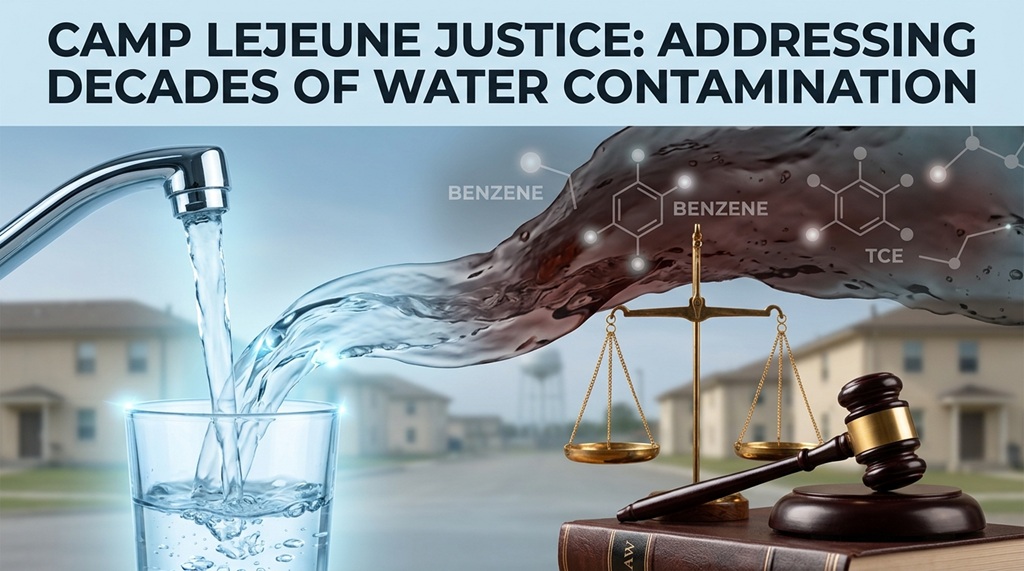
Contaminated water at Camp Lejeune reportedly contained chemicals such as TCE, PCE, benzene, and vinyl chloride. Many lawsuits claim those substances caused cancer, neurological illness, infertility, and other serious harm.
This guide explains estimated payout ranges, eligibility rules, diseases linked to exposure, deadlines, and the latest 2026 Camp Lejeune claim updates.
How Much Is the Camp Lejeune Lawsuit Payout Per Person?
Most Camp Lejeune payouts in 2026 vary based on injury severity and evidence. Lower-value claims may settle in five figures, while severe cancer or wrongful death claims may reach six figures or more. No average amount applies to every claimant.
| Claim Type | Estimated Potential Range |
| Lower-evidence claims | $10,000 to $100,000 |
| Moderate injury claims | $100,000 to $400,000 |
| Severe illness claims | $400,000+ |
| Wrongful death / catastrophic harm | Higher case-specific value |
Estimates vary and are not guaranteed outcomes.
What Is the Camp Lejeune Lawsuit?
The Camp Lejeune lawsuit refers to claims filed by people exposed to contaminated drinking water at Marine Corps Base Camp Lejeune.
Many plaintiffs allege the exposure caused:
- Kidney cancer
- Bladder cancer
- Leukemia
- Parkinson’s disease
- Liver disease
- Infertility
- congenital disability
- Neurological disorders
United States Congress passed the Camp Lejeune Justice Act in 2022. The law opened a legal path for eligible victims to seek compensation from the federal government. Before that law, many cases faced procedural barriers.
Why Are People Filing Camp Lejeune Claims?
People seek compensation for losses tied to toxic water exposure.
Common reasons include:
- Cancer diagnosis after residence on base
- Chronic disease after chemical exposure
- Death of a spouse or parent
- Medical expenses
- Lost wages
- Pain and suffering
- Delayed justice for military families
The issue involves both health harm and accountability.
Who Qualifies for a Camp Lejeune Lawsuit in 2026?
People who lived, worked, or served at Camp Lejeune for at least 30 cumulative days during the covered years may qualify if they later suffered related harm.
You can review official Camp Lejeune eligibility requirements on the government claims website.
Exposure Period Requirement
Most claims focus on exposure between:
August 1, 1953, to December 31, 1987
Potential Eligible Groups
- Marines
- Navy personnel
- Reservists
- Spouses
- Children
- Civilian workers
- Contractors
Wrongful Death Claims
Some surviving family members may file claims when exposure allegedly caused death.
What Illnesses Are Linked to Camp Lejeune Toxic Water?
Several illnesses are commonly discussed in claims and medical reviews.
Cancer Claims
- Kidney cancer
- Bladder cancer
- Liver cancer
- Leukemia
- Non-Hodgkin lymphoma
- Breast cancer in some cases
Neurological Conditions
- Parkinson’s disease
- Neurobehavioral effects
- Nervous system disorders
Reproductive Harm
- Miscarriage claims
- Infertility allegations
- congenital disability claims
Medical causation depends on individual evidence. Research on Camp Lejeune water contamination and long-term health effects is available through public health agencies.
How Are Camp Lejeune Settlement Amounts Calculated?
No formula controls every case. Compensation usually depends on documented damages.
Medical Costs
- Hospital treatment
- Surgeries
- Prescriptions
- Specialist care
- Future treatment needs
Lost Income
- Missed work
- Reduced earning ability
- Disability impact
- Retirement loss
Pain and Suffering
- Physical pain
- Emotional distress
- Reduced quality of life
Wrongful Death Damages
- Funeral costs
- Lost support
- Family loss damages are allowed
What Evidence Can Increase Claim Value?
Strong documentation often improves claim quality.
Exposure Proof
- Military records
- Housing records
- Employment records
- School records
Medical Proof
- Diagnosis records
- Pathology reports
- Imaging scans
- Treatment history
Expert Support
- Toxicology review
- Exposure timeline
- Medical causation opinion
- Economic loss analysis
Camp Lejeune Elective Option Explained
The federal government introduced an Elective Option for certain qualifying claimants. It may offer preset compensation amounts based on diagnosis and exposure duration. This path may help some people receive payment faster than full litigation.
However, accepting an offer may waive further claims. Many people review offers carefully before acceptance.
Should You Accept an Elective Option Offer?
That depends on case value and personal goals. Some claimants prefer faster guaranteed payment. Others may believe their damages justify a larger recovery through litigation.
Factors to review:
- Severity of illness
- Long-term treatment cost
- Wage loss
- Family impact
- Strength of evidence
Camp Lejeune Lawsuit Updates in 2026
2026 remains an active year for claims, settlements, and federal court progress. Public reporting shows a large volume of administrative claims filed. Many remain under review.
Court disputes continue over scheduling, evidence rules, and processing speed. That means negotiations and litigation are still ongoing in 2026.
Camp Lejeune Lawsuit Timeline
| Year | Key Event |
| 1980s | Public concern over contamination grows |
| 2022 | Camp Lejeune Justice Act becomes law |
| 2023 | Administrative claims rise sharply |
| 2024 | Federal litigation expands |
| 2025 | Settlement discussions continue |
| 2026 | Claims and negotiations remain active |
How Long Does a Camp Lejeune Claim Take?
Time varies.
Administrative claims may take months. Lawsuits may take longer depending on:
- Court scheduling
- Discovery disputes
- Settlement talks
- Evidence complexity
Straightforward claims with strong records may move faster.
Is There a Deadline to File in 2026?
Deadlines can affect legal rights. Filing windows and procedural requirements may change based on court rulings or statutes. People reviewing claims should verify current deadlines promptly.
How to File a Camp Lejeune Claim
Basic steps often include:
- Gather service or residence proof
- Collect medical records
- Document losses
- File a required administrative claim through the Department of the Navy Camp Lejeune Claims Unit
- Wait through the review period
- Consider litigation if eligible
FAQs
What medical conditions are linked to Camp Lejeune water?
Commonly linked conditions include kidney cancer, bladder cancer, leukemia, Parkinson’s disease, liver disease, infertility, and certain congenital disability. Each claim depends on medical evidence and individual exposure history.
What’s the deal with Camp Lejeune?
Camp Lejeune refers to a U.S. military base where drinking water was contaminated with harmful chemicals for decades. The Camp Lejeune lawsuit allows affected individuals to seek compensation for health issues linked to that exposure.
How do I check my Camp Lejeune claim?
You can check your claim status through the official Department of the Navy Camp Lejeune Claims Unit website or by contacting your legal representative if you filed through an attorney.
Final Thoughts
The search for Camp Lejeune lawsuit payout per person reflects a real need for answers after decades of delay. Many veterans, families, and civilian workers continue to seek financial recovery for illnesses they believe were caused by toxic water exposure at Marine Corps Base Camp Lejeune. Some claims may move through administrative settlement programs, while others may proceed through federal litigation based on the facts of each case.
Strong claims often include clear proof of residence or service, documented medical diagnosis, and measurable financial or personal losses. Compensation can vary widely because every case has different evidence and damages. People reviewing their options should focus on deadlines, records, and realistic expectations rather than rumor-based payout numbers or viral settlement claims.

Sadia Parveen is a content writer at ClassAction24.com who creates informational articles on class action lawsuits, consumer protection matters, and legal developments. Her work focuses on researching publicly available information and presenting it in a clear and neutral format for general readers. She does not provide legal advice or professional legal services.

Musarat Bano serves as an editor at ClassAction24.com. She reviews articles for clarity, structure, and editorial consistency to ensure content remains factual, neutral, and suitable for informational publishing. Her role is limited to editorial review and presentation.