Native Shampoo Lawsuit: PFAS Allegations, Investigation Timeline, and Consumer Rights
The Native shampoo lawsuit has gained attention as consumers question whether certain products marketed as natural may contain harmful chemicals. Native, a personal care brand known for its “clean ingredients” marketing, faces scrutiny over possible PFAS contamination in some products. PFAS are often called “forever chemicals” because they break down very slowly in the environment and the human body.
Concerns about PFAS have triggered investigations across multiple consumer industries, including cosmetics and personal care products. These chemicals have drawn increased scrutiny from regulators such as the U.S. Environmental Protection Agency and the U.S. Food and Drug Administration, which monitor chemical exposure in consumer goods.
Consumer protection attorneys are now reviewing whether Native products could lead to a Native class action lawsuit related to PFAS contamination and marketing claims. Many people who purchased Native shampoo, toothpaste, or related products want to know whether a lawsuit exists and what it could mean for them. This article explains the Native shampoo PFAS investigation, which products may be involved, the legal status of the claims, and what consumers in the United States should know.
Is There a Native Shampoo Lawsuit?
The Native shampoo lawsuit refers to an investigation into whether certain Native personal care products may contain PFAS chemicals despite marketing that emphasizes natural ingredients. Consumer protection attorneys are reviewing potential class action claims that could involve false advertising or deceptive marketing if testing confirms the presence of PFAS in some products.
What Is the Native Shampoo Lawsuit?
The Native shampoo lawsuit refers to potential legal claims alleging that certain Native personal care products may contain PFAS chemicals despite marketing that emphasizes natural or clean ingredients. Consumers have raised concerns after reports suggested that PFAS compounds could appear in some personal care products due to manufacturing processes or packaging materials.
PFAS chemicals are widely used because they resist water, oil, and heat. However, scientists and regulators have linked long-term exposure to several health risks. Because of these concerns, lawsuits across the United States have accused companies of misleading marketing when PFAS are present in products advertised as natural or safe.
The legal issue in the Native investigation focuses on whether the brand’s marketing created expectations that products would not contain synthetic chemicals such as PFAS. If evidence shows consumers paid a price premium for products believed to be free of these chemicals, lawyers may argue that customers were financially harmed.
Is There an Official Native Shampoo Lawsuit Filed?
At the time of writing, reports indicate that attorneys are investigating potential class action claims related to Native personal care products.
Consumer law firms often begin with an investigation stage. During this phase, lawyers gather product samples, laboratory testing results, and consumer complaints to determine whether a lawsuit should be filed.
If a class action proceeds, it could involve claims such as:
- False advertising
- Deceptive marketing
- Consumer protection violations
- Unfair business practices
In the United States, these cases often appear in federal court under consumer protection laws. If the investigation finds sufficient evidence, attorneys may file a complaint seeking compensation for consumers who purchased affected products.
Legal Claims That Could Appear in the Native Shampoo Lawsuit
Consumer lawsuits involving PFAS in personal care products often rely on several legal claims under U.S. consumer protection laws. If a Native shampoo lawsuit moves forward, attorneys may argue that marketing statements created misleading expectations about product safety or ingredients.
Common legal claims in these types of lawsuits may include:
• false advertising
• deceptive marketing practices
• violations of state consumer protection laws
• unjust enrichment
In many PFAS-related cases, plaintiffs argue that consumers paid higher prices for products marketed as natural or chemical-free. If courts find that companies failed to disclose the presence of synthetic chemicals, those marketing claims could become the basis of consumer fraud litigation.
Timeline of the Native PFAS Investigation
Understanding the timeline of the Native PFAS lawsuit investigation helps clarify how consumer concerns developed.
| Year | Event |
|---|---|
| Early 2020s | PFAS concerns grow in consumer products |
| 2023 | Increased testing of cosmetics and personal care products |
| 2024 | Reports raise questions about PFAS in certain consumer products |
| 2025 | Attorneys begin reviewing potential claims involving Native products |
| 2026 | Ongoing investigation into possible class action claims |
Investigations can take time because lawyers must collect evidence, analyze chemical testing results, and review marketing claims before filing a lawsuit.
Which Native Products Are Involved?
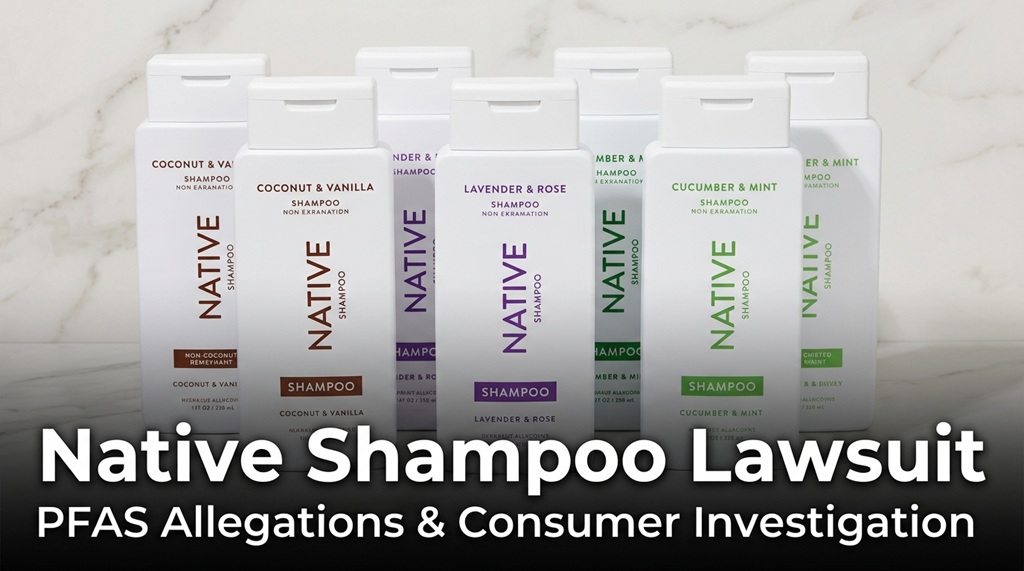
Reports discussing the Native shampoo PFAS investigation and potential Native class action lawsuit have mentioned several products that consumers commonly purchase. These products include items within Native’s hair care and personal care lines.
Examples sometimes mentioned in discussions include:
| Product | Category |
|---|---|
| Coconut & Vanilla Shampoo | Hair care |
| Almond & Shea Butter Shampoo | Hair care |
| Cucumber & Mint Shampoo | Hair care |
| Native Toothpaste | Oral care |
It is important to note that an investigation does not automatically mean every product contains PFAS. The focus is typically on whether testing detected measurable fluorine levels associated with PFAS compounds.
What Are PFAS Chemicals?
PFAS stands for per- and polyfluoroalkyl substances, a large group of synthetic chemicals used in many industrial and consumer products. These chemicals resist grease, water, and stains. Because of these properties, manufacturers have used PFAS in items such as:
- nonstick cookware
- food packaging
- cosmetics
- water-resistant fabrics
Scientists call PFAS “forever chemicals” because they remain in the environment for long periods and accumulate in human tissue. Research has linked certain PFAS compounds to potential health concerns, which has increased pressure on companies to avoid using them in consumer products.
How PFAS Were Allegedly Detected
Testing for PFAS in consumer products often involves measuring total organic fluorine, a chemical indicator associated with PFAS compounds.
Laboratories use advanced instruments such as mass spectrometry to detect trace chemical compounds. When high fluorine levels appear in tests, researchers may conduct further analysis to identify specific PFAS chemicals.
In consumer product investigations, lawyers sometimes rely on third-party lab reports to determine whether PFAS compounds appear in a product. If testing confirms their presence, attorneys may evaluate whether product labeling misled consumers.
Health Concerns Linked to PFAS
Scientists have studied PFAS exposure for decades. While research continues, some studies have suggested links between PFAS exposure and several health concerns.
These concerns may include:
- immune system effects
- hormone disruption
- liver damage
- increased risk of certain cancers
Because PFAS remain in the body for long periods, researchers continue to study how long-term exposure affects human health. Government agencies such as the U.S. Environmental Protection Agency have identified PFAS contamination as a significant environmental issue in the United States.
What U.S. Regulators Say About PFAS
Several U.S. regulators monitor PFAS exposure in consumer products and the environment. The U.S. Food and Drug Administration oversees cosmetics and personal care products sold in the United States. The agency has increased research into PFAS contamination and continues to evaluate potential risks.
Meanwhile, the U.S. Environmental Protection Agency has proposed stronger limits on PFAS contamination in drinking water. Some states have also begun restricting PFAS use in consumer products. For example, California and Maine have introduced laws limiting certain PFAS chemicals in packaging and other goods.
Who Owns Native and Why It Matters
Native began as a small personal care brand focused on natural ingredients. In 2017, the company was acquired by Procter & Gamble, one of the largest consumer goods companies in the world. Because Native operates under Procter & Gamble, any legal investigation involving Native products may also examine corporate oversight, product testing, and marketing practices managed by the parent company.
When large corporations acquire brands, legal responsibility for product claims can become complex. In consumer lawsuits, plaintiffs often include parent companies if they control manufacturing, marketing, or product distribution. Understanding corporate ownership can therefore play a role in determining who may be responsible in a potential lawsuit.
Other PFAS Lawsuits in Consumer Products
PFAS-related lawsuits have increased in recent years as consumers question whether certain products contain synthetic chemicals despite being marketed as safe or natural. The Native shampoo investigation is part of a broader wave of PFAS litigation in the United States.
Several consumer product industries have faced similar legal challenges. Lawsuits have involved products such as cosmetics, food packaging, waterproof clothing, and nonstick cookware. In many cases, plaintiffs argue that companies failed to disclose the presence of PFAS chemicals while promoting products as environmentally friendly or chemical-free.
These lawsuits often focus on consumer protection laws, false advertising claims, and allegations that companies charged higher prices for products consumers believed were free of harmful chemicals.
Potential Compensation in a Native Shampoo Lawsuit
If a Native PFAS class action lawsuit is filed and successful, consumers could receive compensation depending on the claims and settlement terms.
Possible forms of compensation could include:
- refunds for purchased products
- partial reimbursement
- compensation for deceptive marketing claims
- legal costs
Class action settlements vary widely. Some cases involve product refunds, while others require companies to change labeling or marketing practices.
What Consumers Should Do
Consumers who purchased Native products may want to take several steps while investigations continue.
Helpful actions include:
- Keep receipts or purchase records
- Save product packaging
- Take photos of product labels
- Monitor updates about potential lawsuits
If a class action lawsuit is filed, consumers may later receive notice explaining how to submit a claim for compensation.
How Consumers Can Check If Their Native Products Are Affected
Consumers who are concerned about PFAS in Native products can take several simple steps to stay informed. While investigations are still ongoing, reviewing product information and monitoring legal updates may help consumers understand whether their purchases could be involved in a potential class action lawsuit.
Helpful steps include:
- Check product labels and ingredient lists
- Keep purchase receipts or order confirmations
- Save product packaging if available
- Follow updates about PFAS investigations involving personal care products
If a class action lawsuit is eventually filed, consumers who purchased affected products may receive notifications explaining how to participate in a settlement or compensation program.
Key Takeaways
- The Native shampoo lawsuit involves allegations related to PFAS chemicals in personal care products.
- Attorneys are reviewing whether marketing claims about natural ingredients misled consumers.
- PFAS are often called “forever chemicals” because they break down very slowly in the environment.
- Native is owned by Procter & Gamble, a major consumer goods company.
- If a class action lawsuit is filed, consumers who purchased certain Native products could potentially qualify for compensation.
FAQs
Why is Native shampoo making my hair fall out?
Some users report hair shedding after using certain shampoos, including Native products. Hair loss can occur due to scalp sensitivity, allergic reactions, or individual ingredient responses. There is no widely confirmed evidence that Native shampoo directly causes hair loss.
Is Native shampoo good or bad for hair?
Native shampoo is marketed as a personal care product made with simple ingredients. Many users report positive results, but reactions can vary depending on hair type, scalp sensitivity, and ingredient tolerance.
What shampoos have lawsuits against them?
Several hair care brands have faced lawsuits related to product safety, ingredient disclosure, or marketing claims. These cases often involve allegations about hair loss, chemical ingredients, or misleading advertising.
What’s the controversy with Native deodorant?
Discussions about Native deodorant focus on ingredient transparency and possible PFAS contamination in personal care products. Some investigations examine whether marketing claims about natural ingredients could mislead consumers.
Is Native shampoo currently recalled?
There is no widespread recall related to PFAS claims reported at this time.
Does Native shampoo contain PFAS?
Investigations are reviewing whether PFAS may appear in some products. Final conclusions depend on further testing and legal review.
Can consumers join the Native shampoo lawsuit?
If a class action lawsuit is filed, eligible consumers may automatically become part of the class unless they choose to opt out.
Are PFAS harmful in personal care products?
Scientists continue to study PFAS exposure. Some research suggests long-term exposure may carry health risks.
Could consumers receive compensation?
Compensation depends on the outcome of any lawsuit or settlement agreement.
Final Thoughts
The Native shampoo lawsuit investigation reflects growing consumer awareness about chemical ingredients in personal care products. As PFAS research expands, companies across multiple industries face pressure to ensure transparency in product labeling and marketing.
For now, the Native case remains in the investigation stage. However, legal developments could emerge if attorneys find sufficient evidence to pursue consumer claims. Consumers interested in the issue should follow updates closely as regulators, scientists, and legal experts continue examining PFAS in everyday products.

Sadia Parveen is a content writer at ClassAction24.com who creates informational articles on class action lawsuits, consumer protection matters, and legal developments. Her work focuses on researching publicly available information and presenting it in a clear and neutral format for general readers. She does not provide legal advice or professional legal services.

Musarat Bano serves as an editor at ClassAction24.com. She reviews articles for clarity, structure, and editorial consistency to ensure content remains factual, neutral, and suitable for informational publishing. Her role is limited to editorial review and presentation.