Contractor Ronald Lewis Ohio Lawsuit: What Homeowners Need to Know About the Concrete Project Allegations
Ohio homeowners often trust contractors to complete projects on time and according to contract terms. However, disputes can arise when work stops after a customer pays a deposit. Recent reports about the Ronald Lewis, Ohio, contractor lawsuit have raised concerns among homeowners across the state. The lawsuit centers on allegations that Ronald Lewis, who reportedly operated under the name Ron Lewis Cement, accepted payments from consumers and failed to complete certain residential concrete projects. Ohio authorities claim several homeowners suffered financial losses after projects remained unfinished.
The Ohio Attorney General filed the lawsuit after consumer complaints triggered an investigation. Court filings allege violations of state consumer protection laws. Authorities seek restitution for affected consumers and additional legal remedies allowed under Ohio law. Many people now search for answers about the lawsuit, the allegations, consumer rights, and possible compensation. This guide explains the case, the legal claims, and the steps homeowners can take when contractor disputes occur.
It is important to note that these allegations remain part of an active legal matter. A lawsuit does not establish liability. Courts determine facts and legal responsibility through the judicial process.
What Is the Ronald Lewis Ohio Contractor Lawsuit?
The Ronald Lewis Ohio contractor lawsuit involves allegations related to unfinished residential concrete projects in Ohio. State authorities claim multiple consumers paid money for concrete work that was never completed as promised. According to public reports, the Ohio Attorney General filed a civil lawsuit against Ronald Lewis after several homeowners reported problems with construction projects. Authorities allege that consumers paid deposits or advance payments for driveways, patios, and other concrete work.
The complaint claims some projects stopped before completion. Other customers allegedly received little or no work after payment. State officials argue that these actions violated Ohio consumer protection laws designed to protect homeowners from unfair business practices. The lawsuit seeks several forms of relief. These include consumer restitution, civil penalties, and court orders that could restrict future business activities if the allegations are proven.
Why Did Ohio Authorities File the Lawsuit?
Consumer complaints played a major role in the case. Homeowners reportedly contacted state authorities after project delays and unfinished work created financial losses. These complaints prompted an investigation into the contractor’s business practices.
Authorities claim the investigation uncovered a pattern of conduct that affected multiple consumers. As a result, the Ohio Attorney General moved forward with legal action.
Consumer protection lawsuits often focus on public interest. State agencies use these actions to recover losses for consumers and discourage similar conduct in the future.
What Allegations Appear in the Complaint?
The complaint contains several allegations related to residential construction services. Authorities allege that Ronald Lewis accepted payments from homeowners and failed to complete the agreed-upon work. The lawsuit also claims that consumers suffered financial harm because projects remained unfinished.
Court filings reportedly reference losses that approached $70,000 across multiple consumers. State officials allege that some customers paid substantial deposits before work stopped. These allegations have not been proven in court. Ronald Lewis has the right to respond to the claims and present defenses during the legal process.
Why This Lawsuit Matters to Ohio Homeowners
Contractor disputes affect more than a single project. Many homeowners invest significant money into property improvements. Concrete projects often involve driveways, sidewalks, foundations, patios, retaining walls, and other important structures. Financial losses can create additional costs when another contractor must finish or repair the work.
The lawsuit also highlights broader consumer protection issues. Homeowners often face risks when they hire contractors without proper verification, written agreements, or payment safeguards.
As a result, many consumers use cases like this to learn how Ohio contractor laws work and how state agencies handle consumer complaints. The case serves as a reminder that homeowners should document all agreements, keep payment records, and review contractor credentials before any major construction project begins.
Who Is Ronald Lewis?
Ronald Lewis is the contractor named in the Ohio lawsuit filed by the state’s Attorney General. Public reports identify him as a person who allegedly operated a concrete business known as Ron Lewis Cement. The case has attracted attention because it involves multiple consumer complaints tied to residential concrete projects. Homeowners reportedly hired the business for services such as driveway installation, concrete replacement, patios, and other property improvement projects.
Many contractor disputes involve disagreements over project quality, timelines, or payment terms. However, authorities claim this case involves a pattern of unfinished work and financial losses that affected several consumers.
The lawsuit focuses on the allegations contained in the complaint rather than the contractor’s personal background. State officials seek to determine whether Ohio consumer protection laws were violated during the course of these business transactions. Court records and future legal proceedings will ultimately determine the outcome of the case.
Ron Lewis Cement and Residential Concrete Work
Concrete contractors play an important role in residential construction and home improvement projects. Homeowners often hire these businesses for driveways, sidewalks, patios, foundations, garage floors, and decorative concrete installations. Many projects require significant preparation before construction begins. Contractors may remove existing concrete, excavate soil, prepare foundations, install forms, and pour new concrete surfaces.
Customers generally expect contractors to complete work according to the written contract. Project delays can occur in construction. Weather conditions, material shortages, and scheduling issues sometimes affect timelines. Consumer protection concerns arise when projects stop for extended periods without explanation or when customers claim they paid money but received little or no completed work. Authorities allege that situations similar to these occurred in the Ronald Lewis case.
Areas Where Customers Reported Problems
Reports linked to the lawsuit suggest that multiple homeowners experienced issues after entering agreements for residential concrete services. According to the allegations, some customers paid deposits for construction work that did not reach completion. Other projects allegedly remained unfinished after demolition or site preparation had already begun.
Partially completed projects can create serious problems for homeowners. A damaged driveway, unfinished patio, or excavated construction area may reduce property access and create additional repair expenses.
Homeowners often face another challenge when a contractor leaves a project unfinished. A replacement contractor may charge additional costs to correct existing problems before work can continue. These factors can increase the total financial impact of an abandoned construction project.
What Happened to Ohio Homeowners?
The lawsuit centers on complaints from homeowners who allegedly paid for concrete work that was never completed as promised. State authorities claim that multiple consumers entered into agreements with Ronald Lewis for residential concrete projects. Customers reportedly expected construction work to begin and finish within agreed timelines.
Instead, authorities allege that several projects remained incomplete after consumers paid deposits or advance payments. The reported losses drew the attention of consumer protection officials. As complaints increased, state investigators reviewed the circumstances surrounding the projects. The Attorney General’s office eventually filed a lawsuit that seeks relief on behalf of affected consumers.
Reports of Unfinished Concrete Projects
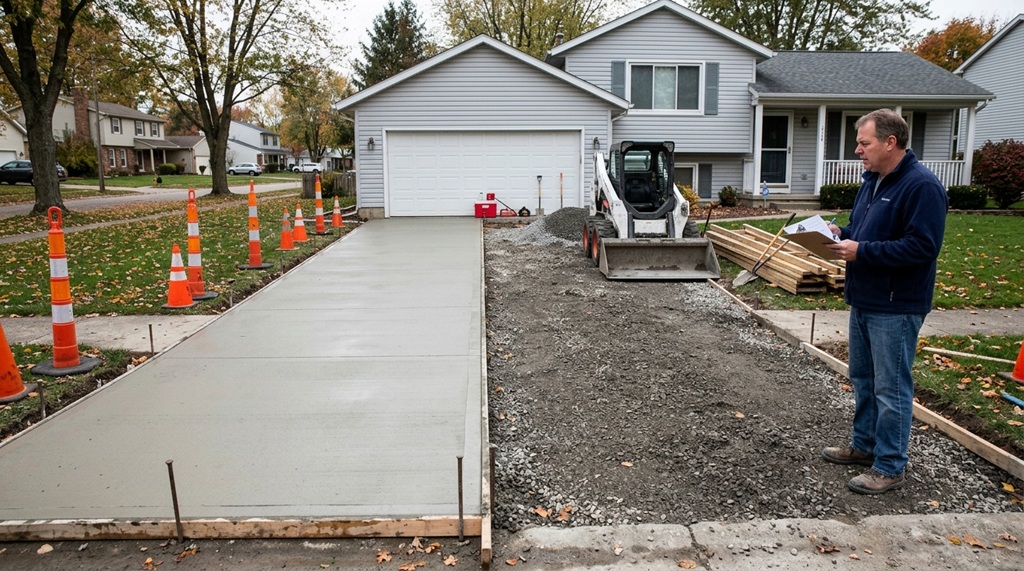
Public reports indicate that some homeowners experienced significant project disruptions. Authorities allege that certain customers paid for new driveways, patios, or other concrete improvements. Work reportedly began in some cases but stopped before completion.
Several reports suggest that existing concrete was removed from properties before construction halted. This situation allegedly left homeowners with damaged or unusable areas around their homes.
An unfinished driveway can create daily challenges. Vehicle access becomes difficult. Property appearance suffers. Additional repair costs may also arise. These issues often place homeowners in a difficult position because another contractor may need to complete or repair the project.
Alleged Financial Losses
Financial loss remains one of the most important parts of the lawsuit. Authorities claim that affected consumers collectively lost nearly $70,000. The complaint alleges that homeowners paid money for projects that did not reach completion.
Construction projects often require large deposits because contractors must purchase materials, reserve labor, and schedule equipment. However, consumers generally expect measurable progress after payment. Problems arise when project performance does not match contractual obligations.
Homeowners who lose deposits may face a second financial burden. They often need additional funds to hire another contractor and complete the work. This combination of lost deposits and replacement costs can significantly increase overall damages.
Customer Complaints That Led to the Investigation
Consumer complaints frequently serve as the starting point for state investigations. Homeowners who believe a contractor acted unfairly can submit complaints to consumer protection agencies. These reports help authorities identify patterns that may affect multiple consumers.
In this case, complaints reportedly described similar experiences involving residential concrete projects. Investigators reviewed those complaints and gathered information before legal action moved forward. State agencies often examine several factors during these investigations. Officials may review contracts, payment records, communications, project timelines, photographs, and consumer statements.
Evidence collected during the investigation can later become part of a civil enforcement action. The Ronald Lewis lawsuit demonstrates how consumer complaints can lead to broader investigations when authorities believe multiple homeowners may have suffered similar losses.
Ohio Attorney General’s Claims Explained
The Ohio Attorney General filed the lawsuit under state consumer protection laws. Authorities argue that the alleged conduct harmed consumers and violated legal requirements that apply to home improvement contractors. Consumer protection laws exist to promote fair business practices. These laws also help homeowners recover losses when businesses allegedly fail to meet their obligations.
The complaint against Ronald Lewis focuses on two important Ohio laws. These include the Consumer Sales Practices Act and the Home Solicitation Sales Act. State officials believe the facts uncovered during their investigation support claims under both statutes.
Alleged Violations of the Consumer Sales Practices Act
The Ohio Consumer Sales Practices Act, often called the CSPA, protects consumers from unfair, deceptive, or unconscionable business practices. The law applies to many consumer transactions, including home improvement and residential construction projects.
Authorities allege that Ronald Lewis accepted payments from consumers and failed to complete contracted work. The lawsuit claims that homeowners suffered financial losses as a result. The Attorney General argues that these alleged actions violated provisions of the Consumer Sales Practices Act.
Consumer protection cases under the CSPA often focus on whether a business made misleading representations, failed to deliver promised services, or engaged in conduct that caused consumer harm. Each case depends on its specific facts. Courts examine evidence, contracts, payment records, communications, and witness testimony before reaching conclusions. The allegations in this lawsuit remain subject to judicial review.
Alleged Violations of the Home Solicitation Sales Act
The complaint also references the Ohio Home Solicitation Sales Act, commonly known as the HSSA. This law provides additional protections for consumers who enter into contracts under certain circumstances. The statute often applies when sales occur at a consumer’s residence rather than at a permanent business location.
Ohio lawmakers created these protections to help consumers make informed decisions before committing to major purchases or home improvement projects. Authorities allege that requirements under the Home Solicitation Sales Act were not properly followed in connection with the transactions described in the lawsuit.
The specific facts and evidence presented in court will determine whether any violations occurred. Many consumers are unaware that Ohio law grants important rights during home solicitation transactions. As a result, cases involving the HSSA often receive significant attention from consumer protection agencies.
Why These Laws Matter to Consumers
Consumer protection laws create safeguards that help homeowners avoid financial harm. Home improvement projects often involve substantial investments. A new driveway, concrete patio, sidewalk, or foundation project can cost thousands of dollars. Consumers rely on contractors to perform work according to written agreements. Problems arise when expectations and results differ significantly.
The Consumer Sales Practices Act gives authorities tools to investigate alleged misconduct and seek remedies for affected consumers. The law also allows enforcement actions that may discourage similar conduct in the future. The Home Solicitation Sales Act provides another layer of protection. It helps consumers understand their rights before they commit to certain transactions.
Together, these laws support transparency, accountability, and fairness in the marketplace. The Ronald Lewis lawsuit highlights why these protections exist. State officials argue that consumer protection laws serve an important role when homeowners report financial losses linked to unfinished construction projects.
What Is the Consumer Sales Practices Act in Ohio?
The Ohio Consumer Sales Practices Act is one of the state’s primary consumer protection laws. It helps protect residents from deceptive, unfair, and unconscionable business conduct. The statute applies to a wide range of consumer transactions. Home improvement contracts, construction services, repair work, and residential remodeling projects often fall within its scope.
Consumers who hire contractors expect honest communication, accurate representations, and completed work. The law helps address situations where those expectations are allegedly not met.
Purpose of the Law
The main purpose of the Consumer Sales Practices Act is consumer protection. Ohio lawmakers created the statute to promote fair dealing between businesses and consumers. The law seeks to prevent practices that could mislead customers or cause unnecessary financial harm.
Consumer protection agencies use the statute to investigate complaints and pursue enforcement actions when appropriate. The Attorney General’s office frequently relies on the CSPA in cases that involve contractor disputes, home repair issues, and residential construction complaints.
Common Contractor Violations
Many contractor-related complaints involve similar issues. Some cases involve allegations of incomplete work. Others involve disputes over deposits, project delays, contract terms, or representations made during the sales process.
Examples that often appear in consumer protection actions include:
- Accepting payment without substantial project progress.
- Failure to complete contracted work.
- Misrepresentations about services or timelines.
- Failure to honor contractual obligations.
- Failure to provide legally required disclosures.
Each situation requires a review of the facts. Courts determine whether the evidence supports claims under Ohio law. Not every contractor dispute becomes a consumer protection violation. Some disagreements remain ordinary contract disputes. Others may involve broader legal concerns.
Consumer Rights Under Ohio Law
Ohio consumers have important legal rights when they hire contractors. Homeowners generally have the right to receive services that match contractual agreements. They also have the right to accurate information before entering a transaction.
Consumers should keep copies of contracts, invoices, receipts, estimates, and project communications. These records often become valuable if disputes arise later. Documentation can help support complaints submitted to consumer protection agencies. It can also assist attorneys, mediators, or courts when they review a case.
The Ronald Lewis lawsuit serves as a reminder that consumers should carefully review contracts, verify contractor credentials, and maintain detailed records throughout every home improvement project.
What Is the Home Solicitation Sales Act?
The Ohio Home Solicitation Sales Act gives consumers additional protection during certain sales transactions. The law applies when a seller enters into a contract with a consumer outside a regular business location. Many home improvement projects begin after a contractor visits a homeowner’s property. These situations may fall under the Home Solicitation Sales Act if specific legal conditions exist.
The purpose of the law is simple. Consumers should have time to review a contract before they become fully committed to a major purchase or service agreement. Home improvement projects often involve significant expenses. A driveway replacement, concrete patio, retaining wall, or foundation repair project can cost thousands of dollars. Ohio lawmakers created safeguards to help consumers make informed decisions.
The Ronald Lewis lawsuit includes allegations related to this law. State authorities argue that certain legal requirements may not have been satisfied during the transactions described in the complaint.
Three-Day Cancellation Rights
One of the most important parts of the Home Solicitation Sales Act involves cancellation rights. Ohio law generally gives consumers a limited period to cancel certain qualifying contracts. This protection allows homeowners to reconsider a purchase after reviewing the agreement more carefully.
Many consumers do not realize these rights exist. Large home improvement projects often involve pressure, urgency, or emotional decision-making. A homeowner may feel ready to move forward during an initial meeting. However, that person may later decide to review costs, compare bids, or seek legal advice.
The cancellation period helps create a fair balance between consumers and contractors. Specific legal requirements determine whether cancellation rights apply in a particular case. Consumers should review Ohio law or seek legal guidance if questions arise regarding their rights.
Contract Disclosure Requirements
The Home Solicitation Sales Act also requires certain disclosures. The law seeks to ensure that consumers receive important information before entering a covered transaction. These disclosures help homeowners understand their rights and obligations. Clear contract terms benefit both parties.
A written agreement should identify the scope of work, payment terms, project expectations, and other essential details. Consumers should read every provision before signing any contract.
Missing information can create confusion later. Disputes often arise when parties have different expectations regarding project costs, completion dates, materials, or responsibilities. Written documentation reduces uncertainty and provides a record of the agreement. Consumer protection agencies frequently encourage homeowners to keep copies of all contracts and project documents.
Protection Against High-Pressure Sales Tactics
The Home Solicitation Sales Act also addresses concerns related to high-pressure sales tactics. Some consumers may feel rushed into signing agreements. Others may not receive enough time to review contract terms before making a decision. Ohio consumer protection laws attempt to reduce these risks.
Homeowners should never feel forced to sign a contract immediately. Reputable contractors generally allow customers to review documents, ask questions, and compare proposals before making a commitment.
Consumers should remain cautious if a contractor:
- Demands an immediate decision.
- Refuses to provide a written contract.
- Requests unusually large upfront payments.
- Discourages independent review of contract terms.
- Avoids written communication.
These warning signs do not automatically indicate misconduct. However, they may suggest that additional caution is appropriate. The goal of consumer protection laws is not to interfere with legitimate businesses. The goal is to promote transparency and fair dealing during consumer transactions.
How Much Money Did Customers Allegedly Lose?
Financial loss remains a central issue in the Ronald Lewis, Ohio, contractor lawsuit. According to public reports, authorities claim that affected consumers collectively lost nearly $70,000. The lawsuit alleges that homeowners paid money for residential concrete projects that were not completed as promised. These allegations form a significant part of the state’s complaint.
The reported losses have drawn attention because they involve multiple consumers rather than a single project dispute. Authorities argue that several homeowners experienced similar problems after entering into agreements for concrete work. The exact amount of damages, if any, will depend on the evidence presented during the legal process.
Reported Consumer Losses
Public reports indicate that consumers allegedly suffered substantial financial losses. Authorities claim that homeowners paid deposits or advance payments for services such as driveway installation, patio construction, and other concrete projects. The complaint alleges that some of this work remained incomplete. Construction disputes often create costs beyond the initial payment.
A homeowner may lose access to property areas. Existing structures may require repair. Additional expenses may arise when another contractor must complete unfinished work. These factors can increase the overall financial impact of a project dispute.
Deposits and Advance Payments
Many contractors request deposits before work begins. Advance payments often help cover materials, labor scheduling, equipment costs, and project preparation expenses. This practice is common throughout the construction industry. Consumers should still exercise caution before making large payments.
Industry experts often recommend payment schedules tied to project milestones. This approach helps ensure that payments correspond to completed work.
Written contracts should clearly explain:
- Deposit requirements.
- Project timelines.
- Payment schedules.
- Material costs.
- Completion expectations.
- Change order procedures.
Clear documentation can reduce misunderstandings and provide important evidence if disputes arise.
Financial Impact on Property Owners
The financial consequences of an unfinished construction project can extend beyond the original deposit. Homeowners may need to hire another contractor to finish the work. Replacement contractors sometimes charge higher rates when they must correct existing problems before proceeding. Property owners may also face delays that affect daily life.
An unfinished driveway can limit access to a home. A partially completed patio may create safety concerns. Excavated areas can affect property appearance and usability. These challenges often increase stress and create additional expenses.
The Ronald Lewis lawsuit highlights the importance of consumer protection laws in situations where homeowners report financial losses connected to residential construction projects. State officials seek restitution for affected consumers. Court proceedings will determine whether such relief is appropriate based on the evidence presented in the case.
What Can Homeowners Do if a Contractor Abandons a Project?
An unfinished construction project can create serious financial and practical problems. Many homeowners feel frustrated when work stops unexpectedly after they have already paid money. A contractor dispute does not always mean fraud occurred. Some projects face legitimate delays because of weather, labor shortages, permit issues, or material availability.
However, homeowners should act quickly when communication stops, and project progress comes to a halt. Several steps can help protect your rights and preserve important evidence.
Document the Problem
Documentation should become your first priority. Gather every record related to the project. These documents may become important if a complaint, insurance claim, mediation effort, or legal action follows.
Useful records often include:
- Written contracts.
- Project estimates.
- Payment receipts.
- Canceled checks.
- Bank records.
- Credit card statements.
- Text messages.
- Emails.
- Photographs of the work site.
- Project timelines.
Photographs can be especially valuable. Images may show the condition of the property before work began and after the contractor stopped work. Accurate records help establish facts and reduce disputes about what occurred.
Contact the Contractor
Communication should occur before taking formal action. Reach out to the contractor through multiple channels if necessary. Use written communication whenever possible. Emails and text messages create records that may help later.
Ask direct questions. Request a project status update. Ask for an explanation regarding delays. Request a completion schedule if work remains unfinished.
Remain professional during all communications. Emotional responses rarely improve outcomes. Clear and respectful communication often provides the best chance of resolving a dispute without additional legal action. If the contractor responds and completes the project, the dispute may end without further complications.
Review the Contract Carefully
The contract often contains important information about both parties’ rights and obligations. Review payment terms, project deadlines, cancellation provisions, warranty language, and dispute resolution clauses. Some contracts contain mediation or arbitration requirements. Others may establish procedures for resolving disagreements before litigation begins.
Pay close attention to project completion terms. The agreement may explain what constitutes substantial completion and how delays should be handled. A careful contract review can help homeowners understand available options.
Send a Written Demand
A written demand may become appropriate if communication efforts fail.
The demand should clearly explain:
- The work that remains incomplete.
- The amount paid.
- Relevant contract provisions.
- Requested corrective action.
- A reasonable deadline for response.
- The letter should remain factual and professional.
Many disputes reach resolution after a homeowner sends a formal written request. Contractors sometimes respond more quickly when they realize documentation exists and further action may follow. Consumers may wish to consult an attorney before sending formal legal correspondence.
File a Consumer Complaint
Consumer protection agencies can assist when serious concerns arise. Ohio homeowners may file complaints with the Ohio Attorney General’s Office if they believe a contractor engaged in unfair or deceptive practices. A complaint generally requires supporting documentation.
Officials may review contracts, payment records, communications, and photographs during the evaluation process. Consumer complaints also help authorities identify patterns that affect multiple homeowners. The Ronald Lewis lawsuit reportedly began after consumer complaints prompted an investigation.
Consider Legal Action
Legal action may become necessary when substantial financial losses occur. Homeowners may have several potential options depending on the facts of the dispute.
Possible remedies may include:
- Breach of contract claims.
- Consumer protection claims.
- Restitution requests.
- Property damage claims.
- Small claims court actions.
The appropriate course of action depends on the amount of money involved and the specific circumstances of the project. An attorney who handles construction disputes or consumer protection matters can evaluate the available options.
Protect Yourself Before Hiring Another Contractor
Many homeowners need a replacement contractor after a project remains unfinished. Take time to verify credentials before signing a new agreement.
Consumers should:
- Check references.
- Review online complaints.
- Confirm business information.
- Obtain multiple estimates.
- Request a detailed written contract.
- Verify insurance coverage.
- Review payment schedules carefully.
A thorough review process can reduce future risks. Property owners should also document the condition of the unfinished work before another contractor begins repairs or completion work. These records may become important evidence if legal proceedings continue.
How to Report Contractor Fraud in Ohio
Ohio consumers have several options when they believe a contractor acted unlawfully. Consumer protection laws exist to help homeowners address unfair business practices and financial losses. State agencies use complaint information to investigate patterns of misconduct and enforce consumer protection laws when appropriate.
Reporting concerns promptly may improve the chances of preserving evidence and protecting other consumers from similar issues.
Ohio Attorney General Complaint Process
The Ohio Attorney General’s Office operates a consumer protection division that accepts complaints from residents.
Consumers generally submit information about:
- The contractor.
- The project.
- Payment amounts.
- Contract terms.
- Communications.
- Supporting documentation.
Officials review submitted information and determine whether additional action is appropriate. Not every complaint results in a lawsuit. However, complaints often help investigators identify recurring issues that affect multiple consumers. The Ronald Lewis case demonstrates how multiple consumer complaints can eventually lead to broader enforcement actions.
Consumers can also review consumer complaint resources when they need help reporting contractor disputes, financial losses, or unfair business practices.
Local Consumer Protection Resources
Additional resources may also assist homeowners.
Depending on the circumstances, consumers may contact:
- Local consumer protection offices.
- County prosecutor’s offices.
- Municipal agencies.
- Licensing authorities.
- Building departments.
- Better Business Bureau complaint programs.
Each organization serves a different role. Some agencies focus on consumer education. Others investigate complaints or provide dispute resolution services. Homeowners should identify the agency that best matches the nature of the dispute.
Small Claims Court Options
Small claims court may provide a practical solution for certain disputes. This process often allows consumers to pursue financial recovery without the complexity of larger civil litigation. Rules vary depending on jurisdiction and claim value limits.
Consumers should review local court requirements before filing a case. Court staff may provide procedural information, although they cannot offer legal advice. Small claims actions often rely heavily on documentation. Contracts, payment records, photographs, invoices, and communications can help support a homeowner’s position.
Strong documentation frequently becomes one of the most important factors in any contractor dispute. The ability to present clear evidence often determines the strength of a consumer’s claim, regardless of the legal forum involved.
Warning Signs of a Potential Contractor Scam
Most contractors operate legitimate businesses and complete projects according to contract terms. However, homeowners should remain alert to warning signs that may indicate potential problems. Consumer protection agencies across the United States regularly receive complaints involving home improvement projects, construction contracts, and contractor disputes.
Early warning signs do not automatically prove misconduct. However, they often suggest that additional caution is necessary before signing an agreement or making a payment. Homeowners who recognize these red flags can reduce financial risk and make better hiring decisions.
Large Upfront Payment Requests
Many contractors request deposits before work begins. This practice is common throughout the construction industry. Problems may arise when a contractor demands an unusually large payment before substantial work begins. Consumers should carefully review payment schedules before signing a contract.
A reasonable payment structure often links payments to project milestones. This approach helps ensure that compensation reflects completed work. Homeowners should ask questions if a contractor insists on receiving most or all project funds in advance. A detailed written agreement should explain exactly how and when payments will occur.
Missing Written Contracts
A written contract remains one of the most important protections available to consumers. Verbal agreements often create confusion and disputes. Important project details may become difficult to verify later.
A professional contract should clearly identify:
- Scope of work.
- Project timeline.
- Payment schedule.
- Material specifications.
- Warranty information.
- Change order procedures.
- Contact information.
Consumers should avoid contractors who refuse to provide written documentation. Clear agreements protect both parties and establish expectations before work begins.
Pressure to Make Immediate Decisions
Reputable contractors generally allow homeowners time to review proposals and compare options. Consumers should be cautious when a contractor pushes for an immediate commitment.
High-pressure sales tactics may include:
- Claims that an offer expires today.
- Demands for immediate deposits.
- Requests to sign documents without review.
- Efforts to discourage comparison shopping.
Major home improvement projects involve significant financial commitments. Homeowners deserve sufficient time to evaluate costs, materials, and contractor qualifications. A contractor who respects the decision-making process often demonstrates professionalism and transparency.
Requests for Cash Payments Only
Cash payments are not always problematic. Many legitimate businesses accept cash as one payment option. Concerns may arise when a contractor insists on cash and refuses alternative payment methods. Electronic payments, checks, and credit card transactions often create clear financial records. These records may become valuable if disputes occur later.
Consumers should request receipts for every payment, regardless of the payment method used. Documentation helps establish proof of payment and protects both parties.
Poor Communication After Payment
Communication often reveals a great deal about a contractor’s professionalism. Reliable contractors typically respond to questions, provide updates, and address concerns throughout a project.
Warning signs may include:
- Repeated missed calls.
- Ignored emails.
- Unanswered text messages.
- Frequent excuses without progress.
- Missed appointments.
Communication problems become more concerning when they occur after substantial payments have been made. Homeowners should document every communication attempt if concerns arise.
Lack of References or Verifiable Work History
Established contractors usually have a history of completed projects. Consumers should ask for references before hiring a contractor. Previous customers can provide valuable insight regarding work quality, reliability, and professionalism.
Additional research may include:
- Online reviews.
- Business profiles.
- Consumer complaints.
- Project photographs.
- Local references.
Independent verification often provides a clearer picture than marketing materials alone. Homeowners can also review home improvement scam warning signs to better understand common contractor scam tactics and consumer protection risks.
How Homeowners Can Reduce Contractor Risks
Careful preparation can prevent many contractor disputes.
Consumers should:
- Obtain multiple estimates.
- Verify business information.
- Read contracts thoroughly.
- Review payment terms.
- Check references.
- Maintain project records.
- Document all communications.
These steps require time and effort. However, they often reduce the likelihood of costly disputes later. The Ronald Lewis lawsuit highlights why homeowners should exercise caution when selecting contractors and entering construction agreements.
What Is the Current Status of the Ronald Lewis Lawsuit?
The Ronald Lewis Ohio contractor lawsuit remains a legal matter that continues through the court system. The Ohio Attorney General filed the civil action after an investigation into consumer complaints involving residential concrete projects. Authorities seek remedies that may include restitution for consumers, civil penalties, and other relief authorized under Ohio law.
Court proceedings provide both sides an opportunity to present evidence and legal arguments. The outcome will depend on the facts established during the litigation process.
Recent Case Developments
Public reports indicate that the lawsuit followed an investigation into complaints submitted by homeowners. Authorities allege that consumers suffered financial losses connected to unfinished concrete projects. The complaint seeks accountability under Ohio consumer protection laws.
Additional court filings, hearings, and legal motions may occur as the case moves forward. Legal cases often require months or even years before final resolution occurs. Consumers should rely on official court records and credible news sources when seeking updates regarding the lawsuit.
Potential Outcomes
Several outcomes remain possible in a consumer protection lawsuit.
Courts may:
- Dismiss claims.
- Approve settlements.
- Award restitution.
- Impose civil penalties.
- Enter injunctions.
- Grant other legal remedies.
Each outcome depends on the evidence presented and the legal arguments advanced by the parties. No final determination should be assumed until the court reaches a decision or the parties resolve the matter through settlement.
Possible Restitution for Consumers
Restitution is one of the remedies sought by state authorities. Restitution aims to compensate consumers for certain financial losses connected to alleged misconduct. Courts evaluate evidence before awarding restitution. Payment records, contracts, invoices, and other documentation often play an important role in this process.
Consumers who believe they suffered losses should maintain organized records throughout the dispute. Proper documentation may help support future claims if restitution becomes available.
Key Facts About the Ronald Lewis Ohio Lawsuit
The Ronald Lewis lawsuit has generated attention because it involves allegations of unfinished residential concrete projects and consumer financial losses.
Here are the key points:
- The Ohio Attorney General filed the lawsuit.
- Ronald Lewis reportedly operated under the name Ron Lewis Cement.
- Authorities allege multiple homeowners suffered financial losses.
- Reported losses approached $70,000.
- The complaint alleges violations of Ohio consumer protection laws.
- The lawsuit references the Consumer Sales Practices Act.
- The lawsuit also references the Home Solicitation Sales Act.
- Authorities seek restitution and other legal remedies.
- The allegations remain subject to court review.
- No final court determination has been issued regarding liability.
These facts summarize the current status of the publicly reported allegations and legal claims. The case also serves as a reminder that homeowners should carefully review contracts, verify contractor credentials, maintain records, and understand their rights before beginning major home improvement projects.
FAQs
What is the Ronald Lewis Ohio contractor lawsuit about?
The lawsuit alleges that Ronald Lewis accepted payments for concrete projects and failed to complete some of the work. The Ohio Attorney General filed the case after multiple consumer complaints.
Who is Ronald Lewis?
Ronald Lewis is the contractor named in the lawsuit. Reports identify him as operating under the name Ron Lewis Cement.
How much money did homeowners reportedly lose?
Authorities claim that affected homeowners collectively lost nearly $70,000 through unfinished concrete projects.
What laws are involved in the lawsuit?
The lawsuit references the Ohio Consumer Sales Practices Act and the Ohio Home Solicitation Sales Act.
Can homeowners recover their money?
Potentially. The Ohio Attorney General seeks restitution for affected consumers. Any recovery will depend on the outcome of the case.
What should I do if a contractor abandons my project?
Keep all contracts, receipts, and communications. Document the unfinished work and consider filing a complaint with consumer protection authorities.
How can I report a contractor in Ohio?
Consumers can submit complaints to the Ohio Attorney General’s Consumer Protection Section and other local consumer agencies.
Has Ronald Lewis been found liable?
No. The allegations remain unproven. The court will determine liability after reviewing the evidence.

Sadia Parveen is a content writer at ClassAction24.com who creates informational articles on class action lawsuits, consumer protection matters, and legal developments. Her work focuses on researching publicly available information and presenting it in a clear and neutral format for general readers. She does not provide legal advice or professional legal services.