Chobani Lawsuit 2026: Active Cases, Court Updates, Settlement Status, and What Consumers Should Know
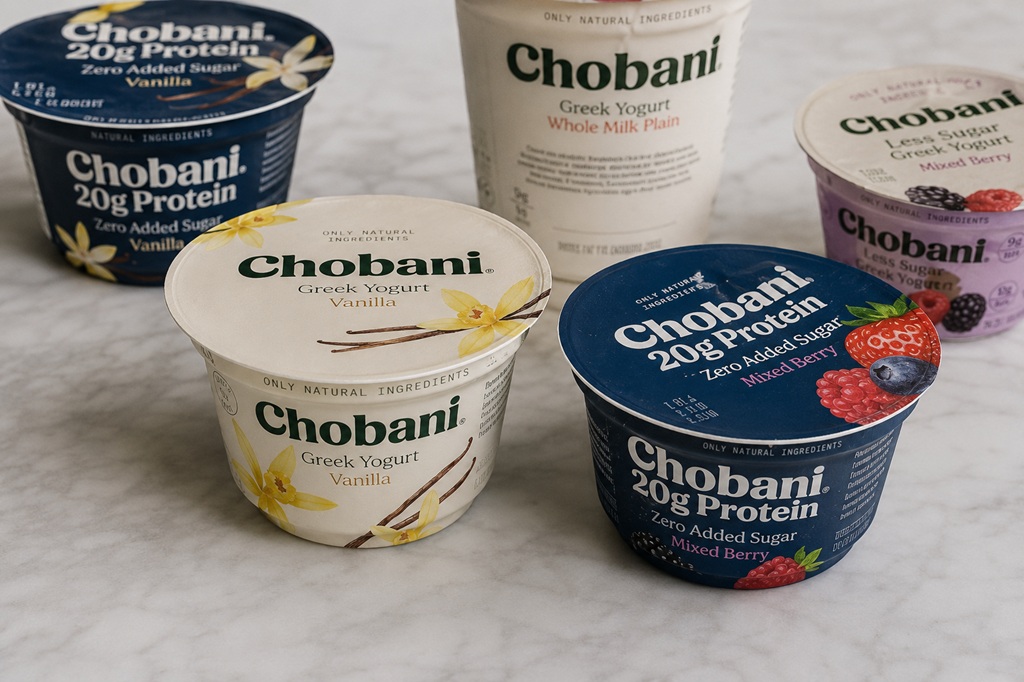
Chobani, one of the largest Greek yogurt manufacturers in the United States, has faced several consumer class action lawsuits over the past few years. The lawsuits challenge different product claims, including “Only Natural Ingredients,” “Zero Sugar,” and marketing related to ingredient sourcing. While some cases have been dismissed, others continue to move through federal court.
As of mid 2026, there is no approved Chobani class action settlement, no official claims process, and no consumer payments related to the active lawsuits. However, one major case involving Chobani’s “Only Natural Ingredients” labeling remains in active litigation, making it an important lawsuit for consumers to follow.
This guide explains each major Chobani lawsuit, the current court status, what the allegations involve, and whether consumers need to take any action.
Chobani Lawsuit at a Glance
| Question | Answer |
| Is Chobani being sued? | Yes. Multiple lawsuits have challenged different product labels and marketing claims. |
| Is there a settlement? | No. There is currently no approved class action settlement. |
| Can consumers file a claim? | No. No official claims process is available. |
| Are any Chobani products recalled? | No. None of these lawsuits resulted in an FDA recall. |
| Is Chobani yogurt unsafe? | The lawsuits contain legal allegations. No court has concluded that Chobani products are unsafe to consume. |
What Is the Chobani Lawsuit?
The phrase “Chobani lawsuit” refers to several separate legal cases filed against Chobani LLC. Rather than involving one single dispute, these lawsuits challenge different advertising and product-labeling practices. Most of the recent lawsuits focus on whether reasonable consumers were misled by statements appearing on Chobani yogurt packaging. Plaintiffs argue that certain claims, including “Only Natural Ingredients” and “Zero Sugar,” influenced purchasing decisions and caused consumers to pay premium prices.
Chobani denies these allegations and has defended its labeling in federal court. Some lawsuits have been dismissed, while others remain active and are still in the early stages of litigation.
Importantly, these lawsuits are civil consumer protection cases, not criminal proceedings. They do not accuse the company of intentionally harming consumers, nor do they establish that any products are unsafe. Instead, the courts are considering whether the challenged labels could reasonably mislead shoppers under state consumer protection laws.
Why Is Chobani Being Sued?
Although each lawsuit raises different legal issues, they generally fall into three categories. The first involves claims that products labeled as containing “Only Natural Ingredients” allegedly contain ingredients or substances that consumers may not consider natural.
The second concerns how certain sweeteners are processed before they are added to food products. Plaintiffs argue that extensive industrial processing changes the nature of ingredients that originally come from plants.
The third involves nutrition labeling, particularly whether products marketed as “Zero Sugar” comply with federal food-labeling rules.
These cases reflect a broader trend in consumer litigation. Food manufacturers increasingly face lawsuits challenging health claims, natural ingredient statements, sustainability claims, and product marketing. Courts continue to define how companies may advertise products while complying with federal regulations and state consumer protection laws. Similar false advertising lawsuits have also been filed against other consumer brands over allegedly misleading marketing claims.
Chobani Lawsuit Timeline
| Year | Key Development |
| 2020 | Lawsuits challenge vanilla flavor marketing. |
| 2021 | Litigation filed over “45% Less Sugar” claims and Fair Trade marketing. |
| 2024 | Albrigo files lawsuit challenging “Only Natural Ingredients” on Zero Sugar yogurt. |
| 2025 | Wysocki files a lawsuit alleging phthalates contradict natural ingredient claims. |
| 2025 | Federal court dismisses the Zero Sugar allulose lawsuit with prejudice. |
| 2026 | Albrigo lawsuit remains active while consumers await further court proceedings. |
Comparison of Major Chobani Lawsuits
| Lawsuit | Main Issue | Current Status | Settlement |
| Wysocki v. Chobani LLC | Alleged phthalates in products labeled “Only Natural Ingredients” | Pending court proceedings | None |
| Albrigo v. Chobani LLC | Processing of stevia and monk fruit allegedly conflicts with the “Only Natural Ingredients” claim | Active litigation | None |
| Zero Sugar Allulose Lawsuit | “Zero Sugar” labeling is challenged because products contain allulose | Dismissed with prejudice | None |
Case One: Wysocki v. Chobani LLC
Overview
The Wysocki lawsuit attracted national attention because it focuses on chemicals associated with plastic packaging rather than ingredients intentionally added to yogurt.
The proposed class action was filed in the U.S. District Court for the Southern District of California on April 16, 2025.
- Case Information
- Case: Wysocki v. Chobani LLC
- Court: U.S. District Court, Southern District of California
- Case Number: 3:25-cv-00907
- Filed: April 16, 2025
- Status: Active litigation with no approved settlement
For a detailed review of the allegations involving phthalates and the plaintiff’s claims, see our guide on the Chobani yogurt class action lawsuit.
What Does the Lawsuit Allege?
Plaintiff Amy Wysocki alleges that independent laboratory testing identified phthalates in two Chobani yogurt products marketed as containing “Only Natural Ingredients.”
The products identified in the complaint include:
- Chobani Nonfat Plain Greek Yogurt
- Chobani Whole Milk Plain Greek Yogurt
According to the complaint, consumers reasonably expect products advertised as containing only natural ingredients to be free from synthetic chemicals. The lawsuit argues that the presence of phthalates, even if they entered the yogurt through food packaging rather than the manufacturing process itself, conflicts with those marketing statements.
Rather than claiming physical injury, the complaint focuses on economic harm. The plaintiff argues that consumers paid more for products marketed as natural and would have made different purchasing decisions had they known about the alleged presence of plastic-related chemicals.
What Are Phthalates?
Phthalates are synthetic chemicals commonly used to increase the flexibility and durability of plastics. They are widely found in packaging materials and other consumer products. Scientific research has examined whether certain phthalates may affect the endocrine system. However, the presence of phthalates in food packaging does not automatically establish that a food product is unsafe or violates federal regulations.
The lawsuit raises a legal question about advertising rather than product safety. It asks whether a company can advertise products as containing “Only Natural Ingredients” if trace chemicals may migrate from FDA-authorized food-contact packaging during storage and distribution.
Chobani’s Response
Chobani denies the allegations raised in the Wysocki lawsuit and asks the court to dismiss the case. The company argues that the complaint does not establish that its “Only Natural Ingredients” statement is false simply because trace chemicals may migrate from FDA-authorized food-contact packaging. Chobani also maintains that phthalates are not intentionally added as ingredients to its yogurt.
According to the company’s filings, the plaintiff’s claims rely on testing that does not demonstrate the products violate federal food safety standards or FDA labeling requirements.
The court heard arguments on Chobani’s motion to dismiss in 2025. While the company publicly stated that the judge indicated an intent to dismiss the complaint, the litigation has continued through additional court proceedings. As of 2026, consumers should rely on official court records for the latest status because litigation schedules can change.
Why This Case Matters
The Wysocki lawsuit is important because it raises questions that extend beyond Chobani. If courts ultimately determine that chemical migration from packaging can affect “natural” marketing claims, food manufacturers across multiple industries may need to reconsider how they describe their products.
The case also highlights growing consumer attention to packaging materials, food-contact chemicals, and product transparency. Although the lawsuit focuses on labeling rather than food safety, its outcome could influence future consumer protection litigation involving packaged foods.
Case Two: Albrigo v. Chobani LLC
Among all the current lawsuits involving Chobani, Albrigo v. Chobani LLC is the most significant because it remains active and has already survived an early challenge from the company.
Unlike the Wysocki lawsuit, which focuses on alleged chemical migration from packaging, this case challenges whether certain sweeteners can properly be described as “natural” after extensive commercial processing.
Case Information
- Case: Albrigo v. Chobani LLC
- Court: U.S. District Court, Southern District of California
- Filed: 2024
- Current Status: Active litigation
- Next Stage: Discovery and class certification proceedings
What Does the Lawsuit Allege?
Plaintiff Laura Willis Albrigo challenges the “Only Natural Ingredients” statement used on certain Chobani Zero Sugar yogurt products.
The lawsuit focuses on two sweeteners:
- Stevia leaf extract
- Monk fruit extract
Both ingredients originate from plants. However, the complaint argues that the commercial manufacturing process involves multiple industrial steps, including extraction, purification, and refinement.
According to the plaintiff, a reasonable consumer seeing the phrase “Only Natural Ingredients” may not expect ingredients that have undergone extensive industrial processing. The lawsuit claims that Chobani’s marketing violated California consumer protection laws because consumers allegedly paid premium prices based on representations they believed were inaccurate.
Like many consumer class actions, the complaint primarily seeks compensation for alleged economic losses rather than personal injury damages.
The Court’s Initial Decision
One of the most important developments occurred when the federal court considered Chobani’s request to dismiss the lawsuit before discovery. Chobani argued that the plaintiff failed to state a valid legal claim and that the ingredients remained natural despite commercial processing. The court disagreed at this early stage.
The judge concluded that the plaintiff had alleged sufficient facts for the case to proceed beyond the pleading stage. In other words, the court determined that a reasonable consumer could potentially interpret “Only Natural Ingredients” differently from how Chobani described the products. This ruling does not mean Chobani violated the law.
Instead, it means the lawsuit contains enough factual allegations to justify additional evidence gathering before the court decides the merits of the dispute. The court dismissed certain allegations, including claims relating to artificial coloring, but allowed the central challenge regarding processed sweeteners to continue.
Why the Decision Is Important
Many lawsuits end after a motion to dismiss because courts determine the complaints are legally insufficient. The Albrigo case survived that stage. As a result, both parties now have the opportunity to obtain documents, exchange evidence, interview witnesses, and examine Chobani’s marketing decisions through the discovery process.
This makes Albrigo the most closely watched Chobani lawsuit because it could provide guidance on how courts evaluate “natural” claims involving processed plant-based ingredients.
What Happens Next?
Several important steps remain before the lawsuit reaches trial or settlement.
Discovery
Both sides collect evidence, review company records, exchange documents, and question witnesses under oath.
Class Certification
The plaintiff must convince the court that consumers with similar claims should be treated as one class. Certification is not automatic. The judge will evaluate whether the proposed class satisfies the legal requirements for class action treatment.
Summary Judgment or Trial
After discovery ends, either party may ask the court to resolve the dispute without a trial. If genuine factual disputes remain, the lawsuit may proceed before a judge or jury.
Settlement
Like many consumer class actions, the parties may negotiate a settlement before trial. However, no settlement has been announced, and there is currently no official claims process for consumers.
Case Three: Zero Sugar Allulose Lawsuit
A separate lawsuit challenged Chobani’s Zero Sugar labeling for different reasons. Rather than focusing on natural ingredients, plaintiffs argued that Chobani could not advertise products as containing “Zero Sugar” because they include allulose, a naturally occurring sugar found in foods such as figs, raisins, maple syrup, and wheat.
The plaintiffs argued that consumers would understand “Zero Sugar” to mean the complete absence of sugar, regardless of how the ingredient behaves in the body.
Why the Court Dismissed the Lawsuit
The federal court dismissed the lawsuit with prejudice in 2025. The judge concluded that FDA guidance allows manufacturers to exclude allulose from the “Total Sugars” value shown on Nutrition Facts labels because the ingredient has unique metabolic characteristics compared with conventional sugars.
Since the FDA permits this labeling approach, the court found that federal law preempted the plaintiffs’ state consumer protection claims. Because the dismissal was with prejudice, the same legal claims cannot be filed again against Chobani in another lawsuit based on the same theory.
The decision marked an important legal development for food manufacturers using allulose and demonstrated how federal labeling guidance can influence consumer protection litigation. The court relied on FDA guidance on allulose labeling when dismissing the claims.
Earlier Chobani Lawsuits
The recent lawsuits are not the first legal challenges involving Chobani’s product marketing. Over the past several years, consumers have filed additional class actions questioning different advertising claims.
Vanilla Flavoring Lawsuits (2020)
Two proposed class actions alleged that Chobani’s vanilla yogurt and vanilla coffee creamer gave consumers the impression that vanilla flavor came primarily from real vanilla beans. Plaintiffs argued that the products also contained other flavoring ingredients that were not clearly communicated through the packaging.
“45% Less Sugar” Lawsuit (2021)
Another lawsuit challenged Chobani’s claim that certain yogurt products contained 45% less sugar. The complaint argued that consumers were not given enough information about the comparison used to support the claim.
Fair Trade Marketing Litigation (2021–2022)
Additional lawsuits questioned Chobani’s marketing related to Fair Trade commitments and ethical sourcing. Plaintiffs alleged that some advertising statements regarding worker benefits and farming practices could mislead consumers.
These earlier lawsuits involved different legal theories than the current “Only Natural Ingredients” litigation. None resulted in a publicly announced consumer settlement.
Is There a Chobani Lawsuit Settlement?
No. As of 2026, there is no approved settlement in any of the major Chobani lawsuits discussed in this article.
The current status of the primary cases is:
| Lawsuit | Status | Settlement |
| Wysocki v. Chobani LLC | Active court proceedings | None |
| Albrigo v. Chobani LLC | Active litigation | None |
| Zero Sugar Allulose Lawsuit | Dismissed with prejudice | None |
Consumers should be cautious of websites claiming that Chobani has agreed to compensation or that claim forms are currently available. No federal court has approved a settlement, and no official claims administrator has opened a filing process.
Can Consumers File a Claim?
At this time, consumers cannot file a claim for compensation because no settlement has been approved. If the court later certifies a class and the parties settle, eligible consumers would typically receive notice through an official settlement website or by mail when purchase records are available.
Until then, there is no action required.
What Should Consumers Do Now?
If you purchased Chobani yogurt products involved in the lawsuits, there is no immediate legal action you need to take. However, you may wish to preserve basic purchase information in case a future settlement is approved.
Helpful steps include:
- Keep receipts if they are available.
- Save purchase history from grocery store loyalty programs.
- Follow updates through official federal court records or reputable legal news organizations.
- Avoid unofficial websites requesting personal information or promising settlement payments.
Remember that active litigation does not guarantee a settlement or consumer compensation.
FAQs
Why is Chobani yogurt being boycotted?
Some consumers have criticized Chobani over its public positions on social issues and ongoing product-labeling lawsuits. However, there is no official nationwide boycott, and opinions about the company vary.
Does Chobani support LGBTQ?
Yes. Chobani has publicly supported diversity, equity, and inclusion initiatives, including support for LGBTQ+ employees and communities. These initiatives are unrelated to the lawsuits discussed in this article.
Is Chobani yogurt healthy?
Chobani Greek yogurt is generally considered a healthy option because it is high in protein and contains probiotics. However, nutritional value varies by product, so check the label for added sugars and ingredients.
What Chobani products are recalled?
As of 2026, none of the products involved in the current Chobani lawsuits have been recalled by the FDA. The lawsuits concern labeling claims, not product recalls.
Is Chobani being sued?
Yes. Chobani has faced several consumer class action lawsuits challenging different product labels and marketing statements. Some lawsuits have been dismissed, while others remain active in federal court.
What products are involved?
The active lawsuits involve certain Chobani products marketed with the “Only Natural Ingredients” statement, including specific plain Greek yogurt products and some Zero Sugar yogurt varieties identified in the court complaints.
Did Chobani lose the lawsuits?
Not at this stage. One lawsuit involving allulose and “Zero Sugar” labeling was dismissed in Chobani’s favor. The Albrigo lawsuit continues because the court allowed it to move beyond the initial pleading stage. The Wysocki litigation also remains subject to ongoing court proceedings.
No court has entered a final judgment finding Chobani liable for the claims discussed here.
Can I join the Chobani class action?
There is currently no certified consumer class requiring individuals to register or join. If the court later certifies a class and a settlement is approved, eligible consumers will receive instructions through an official notice process.
Will Chobani pay consumers?
There is no approved compensation program at this time. Whether consumers ultimately receive payments depends on future court rulings or a negotiated settlement. Either outcome could take months or years because class action litigation often moves slowly.
Where can I find official updates?
Consumers should rely on official federal court records, PACER, or established legal news organizations for updates. These sources provide more reliable information than unofficial websites that speculate about settlements or estimated payouts.
Editorial Methodology
This article is based on publicly available federal court filings, judicial opinions, FDA guidance, and reporting from established legal news organizations. Every lawsuit discussed remains subject to ongoing court proceedings unless otherwise noted. Because litigation can change quickly, readers should verify significant updates through official court records before making legal or financial decisions.

Sadia Parveen is a content writer at ClassAction24.com who creates informational articles on class action lawsuits, consumer protection matters, and legal developments. Her work focuses on researching publicly available information and presenting it in a clear and neutral format for general readers. She does not provide legal advice or professional legal services.