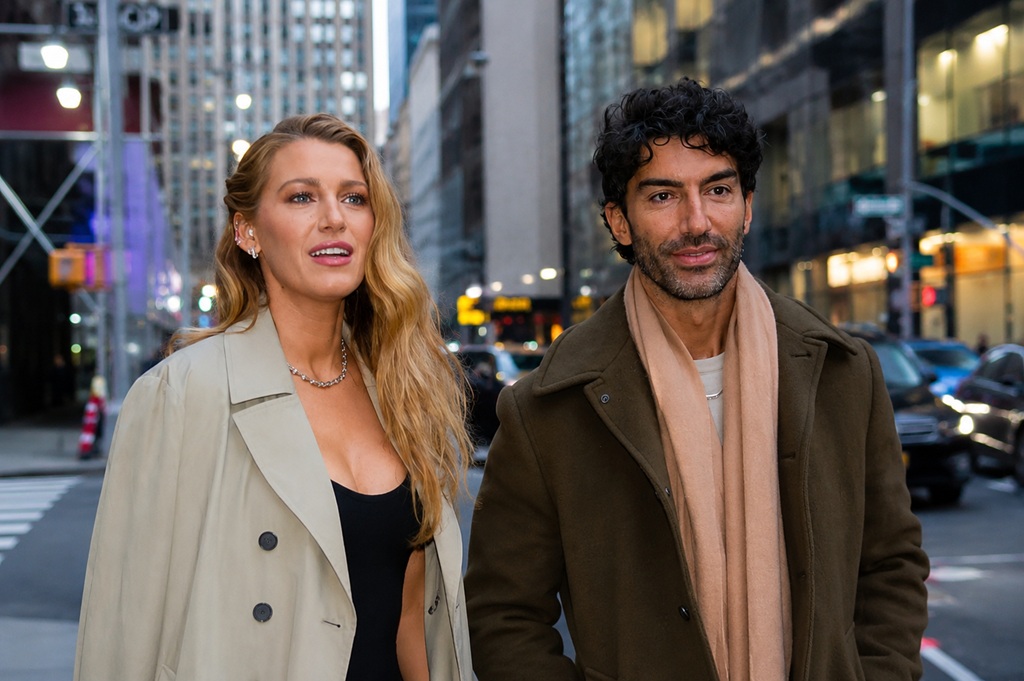
Blake Lively vs Justin Baldoni Lawsuit: Settlement, $300 Million Claims, Taylor Swift Rumors & Legal Fallout
The legal dispute involving Blake Lively, Justin Baldoni, and Wayfarer Studios became one of the most talked-about Hollywood controversies connected to It Ends With Us. What began as a discussion surrounding the film’s production eventually expanded into a broader public debate involving celebrity reputation, online backlash, entertainment-industry politics, and viral social-media speculation.
The controversy gained even more attention after reports referenced reputational damage claims, attorney-fee disputes, and alleged financial discussions involving figures as high as $300 million. Online conversation later intensified when unverified rumors connected Taylor Swift to alleged leaked messages and blackmail-related speculation. However, many viral claims circulated online without confirmed courtroom verification.
Although the lawsuit ultimately settled before trial, the controversy continued dominating entertainment headlines because the public never received a definitive courtroom ruling resolving many disputed claims. That uncertainty helped transform the dispute into a larger conversation about how celebrity lawsuits now unfold in the digital era, where online narratives often spread faster than verified legal reporting.
What Happened Between Blake Lively and Justin Baldoni?
The conflict reportedly developed during and after production of It Ends With Us, based on the bestselling novel by Colleen Hoover. Justin Baldoni played a major creative role through Wayfarer Studios, while Blake Lively starred in the film. Early online discussion focused mostly on alleged creative disagreements and behind-the-scenes tension connected to production and promotion. At that stage, most reporting remained speculative, and no public legal conflict had emerged. However, as promotional appearances and media interviews increased, online audiences began dissecting cast interactions, interview clips, and public messaging tied to the movie campaign.
The controversy gradually shifted from film promotion to broader reputational discussions. Entertainment outlets started reporting on alleged financial harm, public-image fallout, and legal positioning connected to both parties. Social-media platforms amplified the situation rapidly. TikTok commentary, Reddit discussions, YouTube analysis videos, and celebrity blogs all contributed to an environment where speculation often spread faster than confirmed legal information.
Public interest intensified because the controversy moved beyond a normal Hollywood disagreement. The dispute combined celebrity culture, entertainment-business interests, legal strategy, and online fandom behavior at the same time. As a result, the lawsuit became one of the most searched entertainment controversies tied to a modern film adaptation.
Full Timeline of the Blake Lively and Justin Baldoni Dispute
Early Production and Public Attention
The film adaptation of It Ends With Us generated major public excitement long before release because the original novel already had a massive audience. Casting announcements involving Blake Lively and Justin Baldoni increased media attention further, especially among fans of the book and entertainment media outlets.
During production, internet discussion started focusing on rumored creative disagreements and possible tension connected to the project. At that point, however, no major legal dispute had become public.
Promotional Backlash and Escalation
As media appearances and promotional campaigns expanded, social-media criticism surrounding the film became more visible. Audiences debated interview moments, cast dynamics, promotional tone, and public messaging surrounding the movie. Viral clips spread rapidly across TikTok and entertainment platforms, increasing scrutiny surrounding both stars.
The situation escalated further after reports referenced reputational harm and alleged financial consequences tied to the controversy. Public attention gradually shifted away from the movie itself and toward the broader fallout connected to the dispute.
Reports of Major Financial Claims
Online discussion exploded after media reports repeatedly referenced a widely discussed $300 million figure tied to damages discussions surrounding the case. Many internet users incorrectly interpreted the number as a confirmed settlement payout.
Later reporting clarified that damages discussed during litigation are not automatically the same as actual settlement payments. In celebrity lawsuits, projected financial harm often includes estimated future earnings loss, reputational impact, endorsement damage, and business consequences rather than guaranteed compensation. Even so, the figure became one of the most viral talking points connected to the controversy.
Attorney-Fee Disputes and Legal Strategy
As reporting continued, procedural legal issues involving attorney fees and jurisdiction-related disputes also became part of public discussion. Coverage referenced disagreements involving California and New Jersey legal standards, particularly surrounding fee recovery and litigation procedure.
Although procedural disputes usually receive less public attention than celebrity allegations, they can significantly influence settlement pressure and legal strategy. Entertainment-law observers noted that ongoing attorney-fee exposure likely increased financial pressure surrounding the case. Additional legal analysis surrounding retaliation claims and attorney-fee disputes appeared in Blake Lively vs Justin Baldoni settlement retaliation legal risk.
Viral Taylor Swift Rumors
The controversy reached another level once internet speculation connected Taylor Swift to alleged leaked communications and blackmail-related claims. Because Taylor Swift and Blake Lively have publicly known social connections, online audiences quickly amplified rumors across social media platforms.
Many viral posts treated speculation as established fact, even though numerous claims lacked verified courtroom confirmation. Entertainment blogs and influencer commentary channels accelerated the spread of these narratives, causing confusion between verified reporting and internet-generated speculation.
Settlement Before Trial
The dispute was eventually settled before reaching a full public trial. That development ended the formal legal proceedings, but it did not end public debate surrounding the controversy.
Because the case was resolved privately:
- No jury verdict occurred
- No final liability ruling was issued
- Many allegations remained unresolved publicly
- Several online rumors never received a courtroom examination
As a result, audiences continued debating the controversy long after the settlement.
What Claims Did Blake Lively Reportedly Make?
Media reporting connected to Blake Lively’s position primarily focused on alleged reputational harm, emotional distress, financial impact, and broader public-image fallout tied to the controversy. Coverage repeatedly discussed concerns involving negative media narratives, online criticism, and social-media backlash connected to the actress’s public image. In modern celebrity culture, reputation itself functions as a major commercial asset because public perception directly affects endorsements, future casting opportunities, partnerships, and brand relationships.
Reports also referenced alleged financial consequences tied to future earning potential and entertainment-industry opportunities. However, many publicly discussed figures reflected alleged damages tied to litigation strategy rather than verified financial outcomes.
The scale of internet discussion surrounding the controversy intensified the situation considerably. Viral commentary, influencer reaction videos, entertainment blogs, and social-media debate transformed the dispute from a private entertainment disagreement into a global public relations issue, followed by millions of users online.
What Claims Did Justin Baldoni and Wayfarer Studios Reportedly Make?
Reporting connected to Justin Baldoni and Wayfarer Studios focused heavily on alleged reputational damage and business-related fallout connected to the controversy. Entertainment coverage repeatedly referenced concerns involving public criticism, social-media backlash, professional credibility, and strain on industry relationships. Because Justin Baldoni had built a public image tied to socially conscious storytelling and advocacy-related discussions, the controversy attracted especially intense scrutiny online.
The situation also raised broader questions surrounding Wayfarer Studios and its reputation within the entertainment industry. Production companies depend heavily on long-term relationships, public trust, investor confidence, and distribution partnerships. As a result, the fallout reportedly created concern extending beyond the individuals directly involved in the lawsuit.
Much of Baldoni’s reported legal and public-relations strategy appeared focused on challenging public narratives surrounding the controversy and limiting long-term reputational harm after months of intense media coverage.
Did Blake Lively Receive a $300 Million Settlement?
One of the biggest misconceptions surrounding the controversy involved repeated references to a reported $300 million figure. Online audiences frequently treated the number as if it represented a confirmed settlement payout. However, no verified public evidence confirmed that Blake Lively received a $300 million payment. Available reporting instead suggested the figure was connected to broader litigation-related damages discussions rather than publicly confirmed settlement terms. This distinction became important because many entertainment-news headlines simplified the issue, causing internet audiences to confuse alleged damages with actual financial outcomes.
In celebrity litigation, projected damages may include estimated future earnings loss, reputational harm, business consequences, emotional distress, and endorsement-related impact. Those figures are often used as part of legal positioning and negotiation strategy rather than representing guaranteed compensation.
Because the lawsuit was settled privately before trial, full settlement terms never became public. That lack of transparency allowed competing narratives to spread online even after the legal dispute formally ended.
Were Taylor Swift and Blackmail Claims Verified?
As the controversy spread online, rumors involving Taylor Swift became one of the most viral aspects of the entire dispute. Social-media users circulated allegations involving leaked texts, celebrity pressure claims, and blackmail-related speculation connected to the controversy. However, many of these claims remained unverified publicly.
Entertainment reporting itself often acknowledged that several online narratives lacked courtroom confirmation or authenticated evidence. Viral social-media posts frequently mixed speculation, influencer commentary, and fragmented reporting together, making it difficult for audiences to separate verified legal developments from internet rumor cycles.
This became one of the clearest examples of how modern celebrity controversies now evolve simultaneously across legal systems and social-media ecosystems. In many cases, viral engagement spreads faster than factual verification. Because the lawsuit was settled before trial, several rumors that gained enormous public attention online never received a final judicial examination.
Why Was the Lawsuit Settled Before Trial?
Entertainment-law analysts believe several factors likely contributed to the settlement. First, celebrity litigation can become extremely expensive. A public courtroom battle involving major entertainment figures would likely have required months of discovery, depositions, legal filings, expert consultation, and extensive media management. Legal costs alone may have become enormous.
Second, reputation management likely became a major consideration. Public scrutiny surrounding the controversy had already intensified across social media and entertainment journalism. Continuing toward trial may have exposed both parties to additional reputational harm regardless of the eventual legal outcome.
Third, a full trial could have introduced private communications, internal discussions, and additional sensitive material into the public record. In high-profile Hollywood disputes, avoiding further media exposure often becomes a powerful reason to settle privately.
Finally, entertainment-industry lawsuits involving reputational harm are difficult to predict because many claims involve subjective public perception. Legal teams frequently evaluate uncertainty, financial exposure, and long-term brand consequences before deciding whether settlement is preferable to trial.
What Court Documents Actually Show
One of the biggest misunderstandings surrounding the controversy involved confusion between allegations and proven facts. Court filings often contain competing claims presented by both sides during litigation. Those allegations still require evidence review, judicial examination, and possible trial proceedings before becoming legally established findings. Because the Blake Lively and Justin Baldoni dispute was settled before trial, many disputed issues never received a final determination in court. This means several widely discussed allegations remained unresolved publicly rather than formally proven or disproven.
Another important point involves settlement itself. Civil settlements do not automatically mean either party admitted guilt or wrongdoing. In entertainment litigation, settlements are frequently used to reduce legal costs, limit reputational damage, and avoid prolonged public exposure.
The controversy also demonstrated how entertainment-media narratives often expand far beyond actual legal filings. Social-media speculation, influencer commentary, and viral content frequently shaped public understanding more than the underlying procedural developments occurring within the legal system itself.
How the Controversy Affected Blake Lively’s Reputation and Business Ventures
The controversy generated major discussion surrounding Blake Lively’s public image, celebrity branding, and business interests. Online criticism intensified across TikTok, Reddit, entertainment blogs, and social-media platforms where audiences debated everything from interview clips to promotional decisions tied to the film campaign.
Media commentary also connected the controversy to Blake Lively’s consumer-facing ventures, including discussions involving Blake Brown Beauty and Betty Buzz. Although no verified public reporting established direct legal liability involving those businesses, online audiences frequently linked broader reputation discussions to her commercial brand image.
The situation highlighted how modern celebrity businesses are increasingly vulnerable to viral public backlash. In the digital era, controversies tied to public figures can influence consumer trust, endorsement relationships, social-media engagement, and long-term brand perception even when no direct business wrongdoing exists.
How the Dispute Affected Justin Baldoni and Wayfarer Studios
The controversy also created significant scrutiny surrounding Justin Baldoni and Wayfarer Studios. Public discussion focused heavily on how the situation could affect Baldoni’s professional reputation, future projects, and standing within the entertainment industry.
Because Baldoni publicly positioned himself around socially conscious media and motivational messaging, the controversy sparked especially polarized online reactions. Entertainment commentary frequently debated whether the dispute harmed his public credibility or long-term career perception.
For Wayfarer Studios, the fallout raised broader business concerns involving future partnerships, production opportunities, investor confidence, and studio reputation. In Hollywood, production companies depend heavily on long-term industry trust and relationship stability. Public controversy, therefore, carries business implications extending beyond individual celebrity reputations.
Why Both Sides Claimed Victory
After the settlement, both sides publicly framed the outcome favorably. This is extremely common in celebrity litigation because settlements rarely produce clear public winners or losers. Supporters connected to Blake Lively’s side emphasized dispute resolution, reputational recovery, and ending prolonged public controversy. Meanwhile, Baldoni’s side reportedly highlighted the absence of any verified $300 million payout and argued that online narratives surrounding the financial outcome had been exaggerated.
Because no public trial occurred, neither side received a definitive courtroom judgment fully validating its version of events. That ambiguity allowed competing public-relations narratives to continue even after the lawsuit formally ended. Ultimately, the controversy became as much about reputation management and public perception as it was about legal arguments themselves.
Current Status of the Lawsuit in 2026
As of 2026, the lawsuit has officially settled and is no longer moving toward trial. However, public discussion surrounding the controversy remains active across entertainment media and social platforms.
Search interest continues because many audiences still want answers regarding:
- whether the $300 million claims were real
- If Taylor Swift were truly involved
- whether reputational damage permanently affected careers
- Who benefited most from the settlement
- How much online speculation influenced public perception
The controversy ultimately became a major example of how celebrity litigation now unfolds in the social-media era. Viral narratives, influencer commentary, and online speculation increasingly shape public understanding long before courts ever reach final decisions. More importantly, the dispute demonstrated why separating verified legal reporting from internet rumor cycles has become essential when analyzing high-profile celebrity controversies in modern digital culture. Recent reporting from Reuters noted that the Blake Lively vs Justin Baldoni dispute over It Ends With Us has not ended, as she seeks fees, showing that procedural issues connected to the controversy continued even after the settlement.
FAQs
What was Blake Lively suing for?
Blake Lively reportedly raised claims involving reputational damage, financial harm, and public-image fallout linked to the It Ends With Us controversy.
What actually happened between Blake Lively and Justin Baldoni?
The dispute began around the production and promotion of It Ends With Us and later escalated into a legal and public relations controversy before settling out of court.
Who won, Blake Lively or Justin Baldoni?
There was no official winner because the lawsuit was settled before trial, and no final court verdict was issued.
What are Ryan Reynolds and Blake Lively being accused of?
They were linked to allegations involving reputational harm and controversy surrounding the handling of the It Ends With Us dispute, though many online claims remained unverified.

Sadia Parveen is a content writer at ClassAction24.com who creates informational articles on class action lawsuits, consumer protection matters, and legal developments. Her work focuses on researching publicly available information and presenting it in a clear and neutral format for general readers. She does not provide legal advice or professional legal services.