Texas Roadhouse Menu Class Action Lawsuit: What We Know in 2026
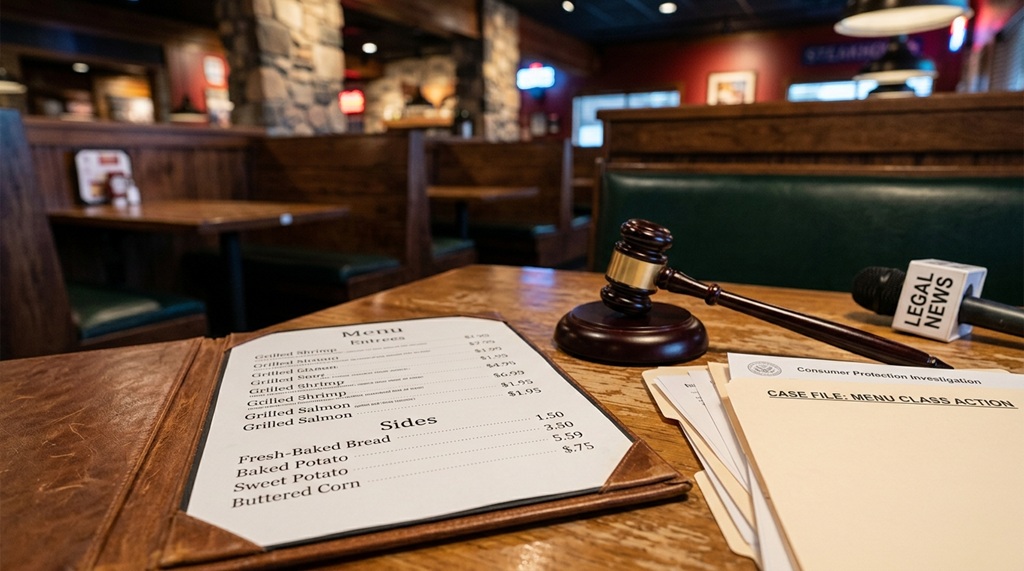
The Texas Roadhouse menu class action involves allegations that certain menu descriptions may have misled customers. Public reports show that a law firm announced an investigation and sought information from consumers who purchased specific menu items. Reports identified products such as grilled shrimp, grilled salmon, fresh-baked bread, baked potatoes, sweet potatoes, and buttered corn. However, public sources did not clearly explain the exact menu statements that allegedly caused concern.
At this time, public records do not show a certified class action related to these menu claims. Public reports also do not show a settlement or court judgment connected to the investigation. As a result, many consumers continue to ask whether the lawsuit remains active and whether compensation may become available in the future.
The case has attracted attention because restaurant menu accuracy remains an important consumer protection issue. Federal regulations, state consumer protection laws, and false advertising rules require businesses to provide accurate information when they market food products to customers.
Texas Roadhouse Menu Class Action Lawsuit: Quick Answer
| Question | Answer |
|---|---|
| Is there an active Texas Roadhouse class action lawsuit? | Public reports confirm an investigation, but no publicly certified class action has been reported. |
| Has Texas Roadhouse agreed to a settlement? | No public settlement has been reported. |
| What menu items were mentioned? | Reports identified grilled shrimp, grilled salmon, fresh-baked bread, baked potatoes, sweet potatoes, buttered corn, and related menu offerings. |
| Can consumers file claims right now? | No public claims process has been announced. |
| Has a court ruled against Texas Roadhouse? | No public court judgment related to the menu investigation has been reported. |
Key Takeaways
- A law firm announced an investigation involving certain Texas Roadhouse menu items.
- Public reports identified grilled shrimp, grilled salmon, fresh-baked bread, baked potatoes, sweet potatoes, and buttered corn.
- Public records do not currently show a certified class action lawsuit.
- No settlement fund has been announced.
- No court has publicly determined that Texas Roadhouse violated consumer protection laws in connection with the investigation.
- The matter remains an investigation rather than a proven case of false advertising or deceptive marketing.
Why Is Texas Roadhouse Facing Scrutiny Over Its Menu?
Texas Roadhouse came under scrutiny after a law firm announced an investigation into several menu items. The investigation focused on whether certain food descriptions may have created inaccurate impressions for customers. Public reports identified grilled shrimp, grilled salmon, fresh-baked bread, baked potatoes, sweet potatoes, and buttered corn as menu items under review. The law firm asked consumers who purchased those products to provide information about their experiences.
However, available reports did not explain the exact statements that allegedly misled customers. That lack of detail has created confusion among consumers who want to understand the basis of the investigation. Consumer protection laws require businesses to present products in a truthful manner. Restaurants must avoid descriptions that could cause a reasonable customer to form an inaccurate understanding of a menu item. Courts often examine the overall impression that a menu creates rather than a single word or phrase.
Menu labeling disputes have become more common across the food industry. Similar cases have involved claims about ingredients, preparation methods, sourcing practices, portion sizes, nutritional information, and advertising language. Plaintiffs in these cases often argue that they paid money based on representations that did not match reality. Texas Roadhouse has not been found liable for menu misrepresentation in connection with this investigation. Publicly available information shows an investigation rather than a final court determination. Therefore, it is important to separate allegations from proven facts.
What Is the Texas Roadhouse Menu Class Action Lawsuit About?
The Texas Roadhouse menu class action centers on allegations that certain menu descriptions may have misled customers. The matter gained attention after a law firm announced an investigation and invited consumers to share information about specific menu items. The investigation focused on products that appeared on the restaurant’s menu, including grilled shrimp, grilled salmon, fresh-baked bread, baked potatoes, sweet potatoes, and buttered corn. Public reports identified those items but did not provide detailed allegations about the exact menu language at issue.
That distinction matters. Many online discussions refer to a “Texas Roadhouse class action lawsuit.” However, public information primarily points to an investigation into potential consumer claims rather than a certified class action that has already moved through the court system.
Class action lawsuits often begin with an investigation. Attorneys review customer complaints, marketing materials, menu descriptions, receipts, and other evidence before they decide whether legal claims exist. The process may lead to a lawsuit, a settlement discussion, or no legal action at all.
Consumer protection cases that involve restaurant menus usually focus on several common issues:
- Alleged false advertising
- Misleading product descriptions
- Ingredient-related representations
- Food preparation claims
- Omission of important information
- Violations of state consumer protection statutes
Plaintiffs in these cases generally argue that they relied on representations made by a business when they decided to purchase a product. They may also claim that they would not have made the purchase, or would have paid less, if they had known the full facts.
At this stage, public reports do not show a court ruling that Texas Roadhouse engaged in deceptive menu practices. Public reports also do not show a settlement connected to the menu investigation. Therefore, consumers should view the allegations as claims that have not been proven in court.
Which Menu Items Were Mentioned in the Investigation?
Public reports about the Texas Roadhouse menu class action investigation identified several menu items that attracted attention from attorneys and consumers. These products appeared in reports that discussed potential menu labeling and consumer protection concerns.
The menu items mentioned include:
- Grilled shrimp
- Grilled salmon
- Fresh-baked bread
- Baked potatoes
- Sweet potatoes
- Buttered corn
These foods represent some of the restaurant’s most popular side dishes and seafood offerings. As a result, any questions about menu descriptions can affect a large number of customers. Public sources did not explain why each item became part of the investigation. Reports also did not identify specific menu statements that allegedly caused concern. That lack of detail remains one of the biggest unanswered questions surrounding the matter.
Many consumers searched for answers after reports surfaced online. Some wanted to know whether ingredients, preparation methods, nutritional claims, freshness claims, or other menu representations played a role in the investigation. However, publicly available information has not provided clear answers to those questions. Restaurant menu disputes often focus on how an average customer interprets a description. Courts and regulators may examine whether a reasonable consumer could receive an inaccurate impression from marketing language, menu wording, photographs, or product descriptions.
The presence of these menu items in an investigation does not prove that any menu description violated consumer protection laws. An investigation serves as a fact-gathering stage. Attorneys use that process to determine whether evidence supports potential legal claims.
What Was Allegedly Misleading About the Menu?
This question remains at the center of the Texas Roadhouse menu class action discussion. At the same time, it is also the area with the fewest public details. Reports about the investigation identified several menu items but did not clearly explain the exact menu descriptions that allegedly created concern. Public sources also did not identify specific words, phrases, or representations that formed the basis of potential consumer claims.
That fact is important. Many articles discuss the investigation as though detailed allegations already exist. Publicly available information does not support that conclusion. Consumer protection cases often focus on the overall message that a business communicates to customers. A claim does not always depend on a single statement. Courts may examine the complete context of a menu description and determine how a reasonable customer would interpret the information.
Restaurant menu litigation commonly involves issues such as:
- Claims about ingredients
- Freshness representations
- Food sourcing statements
- Preparation method descriptions
- Product quality representations
- Nutritional or health-related claims
A plaintiff in this type of case usually argues that a menu created an inaccurate impression. The plaintiff may also argue that the alleged representation influenced a purchase decision. However, no public court filing related to this investigation has explained the precise theory behind the potential claims. As a result, consumers should approach online speculation with caution.
Legal observers often note that an investigation does not establish wrongdoing. Attorneys frequently review potential claims before they decide whether sufficient evidence exists to file a lawsuit. The lack of detailed allegations has created another important question. Many consumers want to know whether an active Texas Roadhouse menu class action lawsuit actually exists today.
Is There an Active Texas Roadhouse Class Action Lawsuit?
Many consumers search for updates because they want to know whether an active Texas Roadhouse menu class action lawsuit exists. Current public information provides a limited answer. A law firm announced an investigation into certain Texas Roadhouse menu items and invited consumers to submit information. That announcement generated significant attention and led many people to believe that a class action lawsuit had already moved forward.
Publicly available information tells a different story. Reports confirm the existence of an investigation. However, public sources do not show a certified class action related to the menu claims. Public reports also do not identify a settlement, jury verdict, or final court judgment connected to the investigation. The distinction between an investigation and a class action lawsuit is important.
An investigation serves as an early stage. Attorneys gather facts, review evidence, and evaluate potential claims. A class action lawsuit begins only after legal filings enter the court system and plaintiffs seek certification on behalf of a larger group of consumers.
The current status can be summarized as follows:
| Question | Current Public Status |
| Investigation announced? | Yes |
| Consumers invited to provide information? | Yes |
| Certified class action identified? | No public record |
| Settlement reported? | No public report |
| Court judgment reported? | No public report |
Consumers should continue to monitor future developments. New court filings, settlements, or official announcements could change the status of the matter. Many people also want to understand how the situation developed over time. A timeline helps place the investigation into context and shows what has happened so far.
How Class Action Investigations Become Lawsuits
Many consumers assume that every investigation automatically becomes a class action lawsuit. That is not always the case. Most consumer protection lawsuits begin with an investigation. Attorneys review customer complaints, menu descriptions, advertising materials, purchase records, and other evidence.
The process often follows these stages:
- Investigation
- Evidence collection
- Lawsuit filing
- Class certification request
- Settlement negotiations or trial
Some investigations lead to lawsuits. Others end without legal action. Some result in settlements before a trial begins. The Texas Roadhouse menu investigation appears to remain in the early stages based on publicly available information.
Texas Roadhouse Menu Lawsuit Timeline
A timeline helps clarify what is known about the Texas Roadhouse menu class action investigation. Public information remains limited. However, several key developments help explain how the matter reached public attention.
2025: Investigation Becomes Public
Reports emerged that a law firm had begun an investigation into several Texas Roadhouse menu items. The firm sought information from consumers who purchased specific products at restaurant locations.
The investigation focused on menu items such as grilled shrimp, grilled salmon, fresh-baked bread, baked potatoes, sweet potatoes, and buttered corn.
2025: Consumers Asked to Share Information
The law firm invited customers to come forward and discuss their experiences. Attorneys often take this step when they evaluate potential consumer protection claims.
Consumer submissions can help attorneys determine whether similar complaints exist among a larger group of customers. The information may also help identify patterns that support or weaken potential legal claims.
2025–2026: Public Interest Increases
News coverage and online discussions increased after reports about the investigation appeared. Many consumers searched for updates about a possible Texas Roadhouse class action lawsuit, settlement, or compensation program.
At the same time, public reports continued to provide only limited details about the alleged menu issues.
2026: No Public Settlement or Court Judgment Reported
Current public information does not show a settlement related to the menu investigation. Public records also do not show a final court ruling that Texas Roadhouse violated menu labeling or consumer protection laws in connection with these claims.
The absence of a reported settlement or judgment does not determine the ultimate outcome. It simply reflects the information currently available to the public.
What We Verified
Our review of publicly available information found the following:
- A law firm announced an investigation involving certain Texas Roadhouse menu items.
- Public reports identified several menu products under review.
- Public reports do not show a certified class action lawsuit.
- Public reports do not show an approved settlement.
- Public reports do not show a final court judgment related to the menu investigation.
Consumers should separate verified facts from online speculation and rumors.
What Must Plaintiffs Prove in a Menu Misrepresentation Lawsuit?
A menu misrepresentation lawsuit requires more than customer dissatisfaction. Plaintiffs must present evidence that supports specific legal claims under consumer protection and false advertising laws.
Courts examine the facts of each case. The exact requirements depend on the state law involved. However, several core elements appear in many restaurant menu lawsuits.
Consumer Deception Claims
Plaintiffs often argue that a menu description created a false or misleading impression. The court may ask a simple question: Would a reasonable consumer interpret the menu in the same way?
This standard focuses on the average customer rather than an individual opinion. The plaintiff must show that the alleged representation could mislead ordinary consumers under normal circumstances.
Consumer protection lawsuits often rely on federal and state advertising rules. The Federal Trade Commission truth-in-advertising standards require businesses to avoid misleading advertising claims and representations that could create a false impression for consumers.
Material Representation
Not every inaccurate statement creates legal liability. The alleged representation must be material. In other words, the information must matter to a customer’s purchase decision.
A court may examine whether the description influenced a consumer’s choice to order a particular menu item. The court may also consider whether the customer would have paid less or selected a different product if the facts were known.
Economic Injury
Most consumer protection claims require evidence of economic harm. Plaintiffs often argue that they paid money for a product based on representations that did not match reality. This theory is commonly known as a price-premium claim.
The argument states that consumers paid more because of the alleged representation than they otherwise would have paid.
Reliance on the Representation
Some claims require proof that consumers relied on the menu description before making a purchase. The plaintiff may need to show that the representation played a role in the decision to buy the product. Courts evaluate this element differently depending on the law that applies to the case.
Causation and Damages
Plaintiffs must also connect the alleged misconduct to the claimed harm. The court will examine whether the alleged representation caused the economic loss. Plaintiffs generally cannot recover damages unless they establish that connection.
Why These Elements Matter
The Texas Roadhouse menu investigation has attracted attention because menu descriptions can influence customer decisions. However, legal claims require evidence that meets established standards under consumer protection law. An investigation alone does not satisfy those standards. Plaintiffs must present facts, evidence, and legal arguments that support each required element.
The next issue involves the rules that govern restaurant menu descriptions. Federal regulations and state consumer protection laws help define what restaurants can and cannot say about their food products.
How Do Restaurant Menu Labeling Laws Work?
Restaurant menu descriptions play an important role in consumer decision-making. Customers often rely on menu language when they choose a meal, compare options, or decide whether a product matches their expectations.
Federal and state laws help ensure that businesses provide accurate information to consumers. These rules do not guarantee that every customer will interpret a menu in the same way. However, they do prohibit deceptive or misleading representations.
FDA Menu Labeling Requirements
The U.S. Food and Drug Administration enforces menu labeling requirements for many chain restaurants. These rules primarily focus on calorie disclosure. Large restaurant chains must provide calorie information for standard menu items. Customers must also have access to additional nutritional information upon request.
Chain restaurants must follow FDA menu labeling requirements that govern nutrition disclosures and menu transparency obligations. These regulations help consumers make informed purchasing decisions and ensure that businesses provide accurate information about standard menu items.
The purpose of these requirements is to help consumers make informed food choices. Accurate disclosures promote transparency and support public health objectives.
State Consumer Protection Laws
State consumer protection statutes often play a central role in menu misrepresentation cases. These laws prohibit unfair business practices, deceptive advertising, and misleading representations. Plaintiffs frequently rely on these statutes when they challenge restaurant marketing or menu descriptions.
Many states use a “reasonable consumer” standard. Courts examine whether an ordinary customer could receive a misleading impression from the information presented.
False Advertising Rules
False advertising laws apply to restaurants just as they apply to other businesses. A company cannot make material representations that create a false impression about a product. The law may scrutinize statements about ingredients, sourcing, quality, preparation methods, nutritional content, or other product characteristics.
The legal analysis usually focuses on the overall message communicated to consumers rather than isolated words viewed in a vacuum.
Why Restaurants Face Menu-Related Lawsuits
Restaurant chains operate in a highly competitive environment. Marketing teams often highlight qualities that make menu items attractive to customers. Legal disputes may arise when consumers believe that a menu description does not accurately reflect the product they purchased. Plaintiffs may argue that the representation affected their purchasing decision and caused economic harm.
Courts evaluate these claims on a case-by-case basis. Judges consider the specific language at issue, the context of the representation, applicable laws, and the evidence presented by both sides. These legal principles help explain why menu investigations receive public attention. They also lead to another common question: Can customers currently join the Texas Roadhouse menu lawsuit and seek compensation?
Similar Restaurant Menu Lawsuits
Texas Roadhouse is not the only restaurant chain that has faced scrutiny over menu descriptions, restaurant advertising, food marketing, or consumer protection concerns.
Several well-known restaurant lawsuits have involved allegations related to:
- Food labeling
- Product descriptions
- Ingredient claims
- Freshness claims
- Advertising language
- Consumer fraud allegations
- Deceptive marketing practices
Examples include:
- Subway tuna litigation
- Starbucks beverage advertising disputes
- Buffalo Wild Wings menu-related lawsuits
- Food labeling and false advertising cases involving national restaurant chains
These lawsuits often rely on similar legal principles, including the reasonable consumer standard, consumer rights protections, false advertising laws, and state consumer protection statutes.
Similar consumer protection disputes have appeared outside the restaurant industry as well. For example, the Peptiva lawsuit involved allegations related to advertising claims and consumer rights, while the Crepe Erase lawsuit focused on consumer complaints involving marketing practices and subscription-related concerns. Although the facts differ from the Texas Roadhouse menu investigation, these cases show how consumer fraud allegations and deceptive marketing claims continue to generate litigation across multiple industries.
Can Customers Join the Texas Roadhouse Menu Lawsuit?
Many consumers want to know whether they can join the Texas Roadhouse menu class action and seek compensation. Current public information does not provide a clear path for consumers to join an active class action related to the menu investigation. A law firm announced an investigation and requested information from customers who purchased certain menu items. Public reports confirm that effort. However, public sources do not show a certified class action lawsuit connected to those menu claims. This distinction matters.
A certified class action allows eligible consumers to become part of a defined group that seeks relief through the court system. Public records do not currently show that stage in connection with the Texas Roadhouse menu investigation. Consumers who believe they may have relevant information should monitor official court records and announcements from reputable legal sources. Future developments could change the status of the matter.
Several factors usually determine whether consumers can participate in a class action:
- The court certifies a class
- Attorneys define eligible consumers
- Notice reaches potential class members
- Settlement terms or litigation procedures become available
None of those steps has been publicly reported in relation to the menu investigation. Consumers should also exercise caution when they encounter online articles that suggest compensation is available right now. Publicly available information does not show an approved settlement fund, claims process, or compensation program related to these menu allegations.
What Should Customers Do?
Customers who purchased the menu items mentioned in reports may wish to keep receipts and other purchase records if they still have them. Documentation often becomes important if litigation moves forward at a later date. Consumers should also follow updates from reliable legal and news sources rather than relying on speculation that appears on social media or discussion forums.
What Compensation Could Consumers Receive?
Many consumers search for the Texas Roadhouse menu class action because they want to know whether compensation may become available. The answer depends on the outcome of any future litigation and the facts presented in court. Current public information does not show a settlement, judgment, or compensation fund related to the menu investigation. Therefore, no public claims process exists at this time.
However, menu misrepresentation lawsuits often seek several types of relief when plaintiffs believe a business violated consumer protection laws.
Refunds for Purchases
Plaintiffs may request refunds for products purchased as a result of the alleged misrepresentation. The argument typically states that consumers spent money based on information that did not accurately describe the product.
Price Premium Damages
Many consumer lawsuits focus on a price-premium theory. Plaintiffs may argue that they paid more than they otherwise would have paid because of the alleged representation. The claim seeks to recover the difference between the amount paid and the actual value received.
Statutory Damages
Certain state consumer protection laws allow statutory damages. These damages arise from specific legal violations defined by statute. The amount varies depending on the state law involved and the facts of the case.
Injunctive Relief
Courts may order a company to change advertising, marketing materials, or menu descriptions. This type of relief does not provide direct monetary compensation. However, it can affect future business practices and help prevent similar disputes.
Attorneys’ Fees and Costs
Some consumer protection statutes allow successful plaintiffs to recover attorneys’ fees and litigation costs. These provisions encourage consumers to pursue claims that involve deceptive business practices.
Why Compensation Remains Uncertain
Compensation depends on several factors:
- The strength of the evidence
- The legal claims asserted
- The applicable state laws
- The outcome of litigation
- Any settlement negotiations
Public reports about the Texas Roadhouse menu investigation do not establish liability or consumer entitlement to compensation. The investigation is in its early stages rather than a final legal outcome. Consumers should treat any online promises of settlement money with caution unless they are supported by official court documents or settlement notices.
The menu investigation has received substantial attention. However, it is not the only lawsuit associated with Texas Roadhouse. Several other legal disputes have involved the restaurant chain over the years.
Other Lawsuits Filed Against Texas Roadhouse
The Texas Roadhouse menu class action investigation is only one legal matter associated with the restaurant chain. Texas Roadhouse has faced several other lawsuits over the years that involve different legal issues.
These cases should not be confused with the menu investigation. Each lawsuit involves separate facts, legal claims, and court proceedings.
Website Accessibility Lawsuit
Texas Roadhouse faced a lawsuit that alleged its website created barriers for blind and visually impaired users. The case focused on website accessibility rather than menu descriptions or food products. The plaintiff argued that certain website features limited equal access to online content and services.
Website accessibility lawsuits often rely on disability rights laws and accessibility standards that apply to digital platforms.
Age Discrimination Litigation
Texas Roadhouse also faced age discrimination claims in previous litigation. These cases involved employment practices rather than consumer protection issues. Plaintiffs alleged that older workers faced unequal treatment during hiring or employment decisions.
Employment discrimination lawsuits operate under a different legal framework than menu-related consumer claims.
Wage and Labor Disputes
Large restaurant chains frequently encounter wage and hour lawsuits. Texas Roadhouse has faced labor-related claims that involved employee compensation and workplace practices.
These cases may involve issues such as:
- Overtime pay
- Tip-related disputes
- Wage calculations
- Employee classification
Labor claims focus on worker rights rather than customer purchases.
What This Investigation Means for Restaurant Chains
The Texas Roadhouse menu class action investigation highlights a broader issue across the restaurant industry. Consumers expect accurate information when they purchase food. Restaurants face growing pressure to ensure that menu descriptions match customer expectations. Restaurant brands invest significant resources in marketing and product presentation. Menu descriptions often influence purchasing decisions. Customers may rely on statements about ingredients, preparation methods, freshness, quality, or sourcing when they select a meal.
As a result, businesses must carefully review the language they use in menus, advertisements, websites, and promotional materials. Consumer protection lawsuits have increased across several industries in recent years. The food and beverage sector has received particular attention because product descriptions directly affect purchasing behavior.
Restaurant operators often take steps such as:
- Reviewing menu language
- Updating advertising materials
- Evaluating compliance procedures
- Conducting legal reviews of marketing claims
- Improving transparency for customers
These efforts help reduce legal risk and strengthen consumer trust. The Texas Roadhouse investigation also serves as a reminder that allegations alone do not establish liability. Companies have the opportunity to respond to claims and present their position through the legal process.
Courts ultimately determine whether evidence supports a violation of consumer protection laws. Until that process occurs, allegations remain allegations rather than proven facts. Consumers benefit when businesses provide clear and accurate information. Businesses benefit when customers trust the representations made about products and services. That balance remains a central goal of consumer protection laws throughout the United States.
What Consumers Should Do Now
Consumers who purchased menu items mentioned in reports may wish to keep any available receipts, purchase records, or documentation. These records may become useful if future litigation develops.
Consumers should also:
- Monitor official court records
- Follow reputable legal news sources
- Watch for future settlement announcements
- Avoid websites that promise compensation without evidence
Current public information does not show an approved settlement fund, claims process, or compensation program related to the Texas Roadhouse menu investigation.
FAQs
What is the lawsuit against Texas Roadhouse?
The Texas Roadhouse menu class action investigation involves allegations that certain menu descriptions may have misled consumers. Public reports do not show a certified class action or settlement related to these claims.
What employees wish you knew about Texas Roadhouse?
Employees often describe Texas Roadhouse as a fast-paced workplace that places strong emphasis on customer service, teamwork, and food quality. Experiences may vary by location.
What happened at Texas Roadhouse?
Texas Roadhouse recently attracted attention after a law firm announced an investigation into several menu items. The investigation focuses on potential consumer protection concerns related to menu descriptions.
Does Texas Roadhouse use real meat?
Yes. Texas Roadhouse serves real beef products, including hand-cut steaks, ribs, and other meat-based menu items. Public reports about the menu investigation do not involve claims about fake meat.
Sources and Public Information Reviewed
This article relies on publicly available information, including:
- Law firm investigation announcements
- Public reports regarding the Texas Roadhouse menu investigation
- Consumer protection laws
- False advertising regulations
- Food labeling guidance
- Restaurant menu transparency requirements
Information may change if future court filings, settlements, or official announcements become available.
Final Thoughts
The Texas Roadhouse menu class action investigation has generated significant public interest. Many consumers want answers about potential menu misrepresentation claims, possible compensation, and the status of any future lawsuit. Current public information shows that a law firm investigated certain menu items and sought information from consumers. Public reports identified several products but did not clearly explain the exact menu descriptions that allegedly created concern. Public records also do not show a certified class action, settlement, or court judgment related to the menu investigation at this time.
Consumers should separate confirmed facts from online speculation. An investigation does not establish wrongdoing. Courts evaluate evidence before they determine whether legal violations occurred. The case also reflects a larger trend within the restaurant industry. Customers increasingly expect transparency, accuracy, and consistency in menu descriptions. Restaurant operators continue to face scrutiny when questions arise about product representations. Future court filings, settlements, or official announcements may provide additional clarity. Until then, the available information remains limited, and the ultimate outcome remains uncertain.

Sadia Parveen is a content writer at ClassAction24.com who creates informational articles on class action lawsuits, consumer protection matters, and legal developments. Her work focuses on researching publicly available information and presenting it in a clear and neutral format for general readers. She does not provide legal advice or professional legal services.