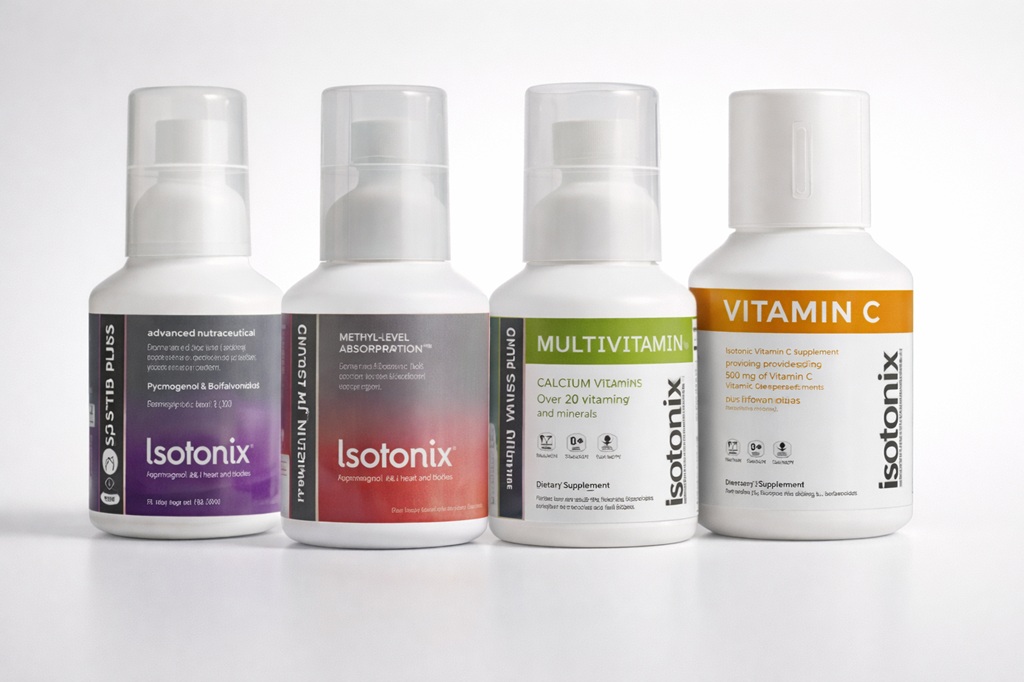
Isotonix Lawsuit 2026 Update: Federal Case Status, FDA Warning Letter, and Class Action Allegations Explained
The Isotonix lawsuit involves allegations that Market America made misleading health claims and exaggerated income representations through its multi-level marketing structure. In 2020, the U.S. Food and Drug Administration issued a Warning Letter concerning disease-related marketing statements tied to certain Isotonix products. The Federal Trade Commission has also increased scrutiny of income claims in the MLM sector.
As of 2026:
- No nationwide federal judgment has declared Isotonix unlawful
- No FDA recall has banned the product line
- Litigation and regulatory oversight remain ongoing
- Allegations focus primarily on marketing practices, not product prohibition
This article explains the federal case status, regulatory findings, class action allegations, and what consumers and distributors should know.
Isotonix Lawsuit Timeline
Key Regulatory and Litigation Milestones
1992
Market America begins operations as a multi-level marketing company headquartered in North Carolina.
Early 2000s–2019
Isotonix supplement line expands through independent “UnFranchise Business Owners.” Marketing materials promote absorption benefits and general wellness claims.
2020
The U.S. Food and Drug Administration issued a Warning Letter to Market America concerning disease-related marketing statements that could classify certain supplements as unapproved drugs under federal law.
2021–2024
Various consumer and distributor lawsuits are filed in state courts alleging false advertising, income misrepresentation, and pyramid scheme–style compensation concerns.
2023–2025
The Federal Trade Commission increases enforcement scrutiny across the MLM industry, particularly regarding income disclosure practices and health-related advertising.
2026 (Current Status)
- Litigation remains ongoing in various jurisdictions.
- Regulatory oversight continues at the federal level.
- No final nationwide resolution has been reached.
Key Entities and Legal Framework Behind the Isotonix Lawsuit
Understanding the Isotonix lawsuit requires identifying the primary regulatory and legal authorities involved.
Market America, Inc.
Market America is a North Carolina-based multi-level marketing company that manufactures and distributes Isotonix supplements through independent representatives known as UnFranchise Business Owners. The company operates under an MLM compensation model that includes retail sales and network-based commissions.
U.S. Food and Drug Administration (FDA)
The agency issued a 2020 Warning Letter to Market America regarding certain marketing claims. A full discussion of that letter appears later in this article.
Federal Trade Commission (FTC)
Federal Trade Commission oversees deceptive marketing, false advertising, and pyramid scheme enforcement. The FTC monitors:
- Income representation claims in MLM programs
- Substantiation of health-related advertising
- Recruitment-based compensation structures
Dietary Supplement Health and Education Act (DSHEA)
The Dietary Supplement Health and Education Act governs how supplements may be marketed in the United States. A more detailed explanation of this framework appears below.
What Is Isotonix and How Is It Marketed?
Isotonix is a line of powdered dietary supplements sold by Market America, Inc., a North Carolina-based company operating through a multi-level marketing (MLM) model.
The supplements are marketed as “isotonic-capable,” meaning they are designed to be mixed with water to form a solution that purportedly enhances nutrient absorption. Marketing materials have historically promoted Isotonix products for:
- Immune support
- Cardiovascular health
- Digestive balance
- Antioxidant benefits
- General wellness enhancement
Unlike traditional retail supplements, Isotonix products are primarily distributed through independent sales representatives known as “UnFranchise Business Owners.”
Under this MLM structure, distributors earn commissions by:
- Selling products
- Recruiting additional participants
- Building sales networks
This business model is legal when structured properly. However, disputes arise when compensation depends more on recruitment than on retail product sales. The Isotonix lawsuit intersects both product marketing claims and the compensation structure tied to the MLM system.
What Is the Isotonix Lawsuit About?
The core allegations in the Isotonix lawsuit fall into three primary categories:
Alleged False or Unsubstantiated Health Claims
Plaintiffs and regulators have questioned whether certain health-related representations were supported by reliable scientific evidence.
Allegations include:
- Claims that products could prevent or mitigate serious medical conditions
- Statements suggesting unusually high absorption rates
- Marketing language that may resemble drug claims rather than supplement structure/function claims
Under federal law, dietary supplements cannot be marketed as treatments for diseases unless approved as drugs by the FDA.
Income Misrepresentation and Deceptive Business Practices
Former distributors have alleged that Market America overstated the income potential associated with selling Isotonix products.
Common claims raised in litigation include:
- Exaggerated earnings projections
- Failure to clearly disclose the average distributor income
- Emphasis on recruitment over retail sales
Under FTC guidelines, income claims must be truthful and substantiated.
Pyramid Scheme Allegations
Some complaints allege that the MLM compensation structure prioritized recruitment over retail sales. Market America denies operating an unlawful pyramid scheme and maintains that its model complies with federal law. A more detailed legal analysis appears in the section below.
Is Isotonix a Pyramid Scheme?
Allegations in certain lawsuits argue that Market America operated its compensation structure in a manner resembling a pyramid scheme.
Under guidance from the Federal Trade Commission, a pyramid scheme generally exists when compensation is primarily based on recruitment rather than on genuine retail sales to end consumers.
Courts typically examine:
- Whether most revenue comes from participant purchases
- Whether compensation depends heavily on recruiting new members
- Whether inventory loading occurs
- Whether retail customers exist outside the distributor network
As of 2026, no federal court has issued a final ruling declaring Market America an illegal pyramid scheme. Allegations remain contested in various complaints.
Is Isotonix Banned by the FDA?
No. As of 2026, the U.S. Food and Drug Administration has not banned the Isotonix product line. The FDA issued a Warning Letter in 2020 regarding certain marketing claims, but no nationwide product ban or recall has been issued.
No nationwide FDA recall has been publicly issued prohibiting Isotonix products.
Is There a Government Investigation Into Market America?
Federal regulatory scrutiny has focused on:
- Health-related advertising claims
- MLM income representations
- Compliance with supplement labeling rules
Federal regulators have monitored income representations and health-related advertising practices in the MLM industry. Oversight remains ongoing, although no nationwide enforcement order has permanently shut down Market America.
.
As of this publication, no publicly reported nationwide FTC enforcement order has permanently shut down Market America. Regulatory oversight remains ongoing.
Has Market America Settled Any Isotonix Lawsuits?
Some lawsuits referencing Isotonix products or compensation practices have reportedly been resolved confidentially. Settlement terms in civil litigation are often not publicly disclosed.
Importantly:
- A settlement does not equal an admission of wrongdoing
- Confidential agreements limit public reporting
- Some complaints have been dismissed or amended
There is no publicly reported nationwide settlement resolving all Isotonix-related allegations as of 2026.
Can Consumers Join an Isotonix Class Action?
Whether a consumer can join a class action depends on:
- Whether a case has been certified
- The jurisdiction of filing
- The specific claims alleged
- The timeframe of purchase
Class certification must meet strict legal standards before consumers can formally participate. Consumers should verify active court filings rather than relying solely on online summaries.
FDA Warning Letter to Market America
In 2020, the U.S. Food and Drug Administration issued a public Warning Letter to Market America concerning marketing statements related to certain Isotonix products.
According to the FDA, some promotional materials suggested the products could:
- Treat cardiovascular conditions
- Reduce inflammation
- Address chronic illnesses
The FDA stated that such representations may cause a dietary supplement to be classified as an unapproved drug under the Federal Food, Drug, and Cosmetic Act. A Warning Letter is not a lawsuit. However, it is a formal notice requiring corrective action.
The FDA directed the company to:
- Remove or revise disease-related claims
- Ensure labeling complies with supplement regulations
- Avoid misbranding
Following the letter, Market America reportedly revised certain product descriptions and marketing materials. No product recall directly tied to the Warning Letter was publicly mandated at that time.
FTC Concerns and MLM Compliance Issues
The Federal Trade Commission oversees deceptive marketing practices and pyramid scheme enforcement.
During recent years, the FTC has increased scrutiny of:
- Multi-level marketing income claims
- Health-related advertising
- Pandemic-related immunity representations
Regulators have emphasized that:
- Income disclosures must reflect realistic average earnings
- Health claims require competent and reliable scientific evidence
- Recruitment-based compensation structures may trigger an enforcement review
Federal law also requires compliance with FTC truth-in-advertising requirements for health and income claims. Although no nationwide FTC enforcement action has permanently shut down Market America, regulatory oversight remains an ongoing compliance issue in the broader MLM industry.
Case Filings, Jurisdiction, and Procedural Posture
Multiple legal complaints referencing Isotonix products and Market America’s marketing practices have been filed in various jurisdictions over the past decade. These cases generally fall into two categories:
- Consumer protection lawsuits
- Distributor income misrepresentation claims
As of 2026, no single nationwide federal class action has produced a unified resolution of all allegations. Instead, the legal landscape consists of:
- Individual civil complaints
- Proposed class actions in state courts
- Regulatory warning letters
- Ongoing compliance monitoring
Some lawsuits have been resolved confidentially. Others have been dismissed or amended during early procedural stages.
Procedural Posture Overview
In cases alleging deceptive marketing or income misrepresentation, courts typically move through the following stages:
- Complaint filing
- Motion to dismiss
- Discovery phase
- Class certification determination (if applicable)
- Settlement discussions or trial
As of this update, litigation remains focused on marketing practices rather than a judicial finding that the products are inherently unsafe. However, regulatory and civil scrutiny regarding marketing claims remains an active issue.
It is important to distinguish between:
- Allegations raised in complaints
- Regulatory warning letters
- Final court findings
At present, many claims remain allegations rather than adjudicated rulings.
Legal Analysis: What Plaintiffs Must Prove
To succeed in an Isotonix lawsuit involving false advertising or deceptive marketing, plaintiffs must generally establish several legal elements.
False Advertising Under Consumer Protection Law
Most supplement-related lawsuits rely on state deceptive trade practice statutes or federal advertising principles.
Plaintiffs must typically prove:
• A material misrepresentation was made
• The statement was likely to mislead reasonable consumers
• The representation influenced purchasing decisions
• Financial injury resulted
Courts analyze whether the health claims were supported by competent and reliable scientific evidence. If marketing statements cross into disease-treatment claims, the FDA may classify the product as an unapproved drug.
Income Misrepresentation Claims in MLM Litigation
When lawsuits focus on distributor earnings, plaintiffs must demonstrate:
- Income representations were misleading
- Earnings disclosures failed to reflect realistic outcomes
- Recruitment emphasis overshadowed retail sales
- Financial losses were caused by reliance on those representations
The FTC requires MLM companies to provide truthful income disclosures and prohibits deceptive earnings claims.
Pyramid Scheme Legal Standards
Federal courts often apply guidance from longstanding FTC cases when evaluating pyramid scheme allegations.
Key factors include:
- Whether compensation is primarily based on recruitment
- Whether products are sold to genuine retail customers
- Whether inventory loading occurs
- Whether participants can realistically profit from product sales alone
Market America has consistently denied operating an unlawful pyramid scheme and asserts that its compensation is retail-based. No final federal ruling has declared the company an illegal pyramid scheme as of this publication.
Dietary Supplement Regulation Under Federal Law
Understanding the Isotonix lawsuit requires context about how dietary supplements are regulated.
The DSHEA Framework
The Dietary Supplement Health and Education Act (DSHEA) governs supplement marketing in the United States.
Under DSHEA:
- Supplements do not require FDA pre-approval
- Companies may make structure/function claims
- Companies may not claim to diagnose, treat, cure, or prevent disease
- Claims must be truthful and not misleading
If marketing language implies disease treatment, the product may be considered an unapproved drug. This regulatory boundary is central to the Isotonix controversy.
Alleged Side Effects and Safety Concerns
Some lawsuits and consumer complaints have referenced possible adverse reactions linked to Isotonix products.
Reported concerns in certain filings include:
- Elevated liver enzyme levels
- Digestive discomfort
- Headaches
- Cardiovascular symptoms
It is critical to note:
- Allegations do not establish causation
- Supplements can interact with medications
- Individual health responses vary
As of 2026, no nationwide FDA recall has been publicly issued specifically banning the Isotonix product line.
However, regulatory scrutiny has heightened consumer awareness regarding supplement safety and labeling accuracy.
Class Certification and What It Means for Consumers
If a proposed Isotonix class action is certified, the court must find:
- Common legal or factual questions
- Adequate representation
- Typical claims among class members
- Superiority of class treatment over individual lawsuits
Certification does not mean the plaintiffs have won. It simply allows the case to proceed as a group action.
Potential remedies in supplement class actions may include:
- Refunds
- Partial reimbursement
- Injunctive relief
- Corrective advertising requirements
- Attorney fee awards
Settlement negotiations often occur before trial.
Potential Damages and Financial Exposure
In consumer protection and false advertising lawsuits involving dietary supplements, plaintiffs typically seek several categories of relief.
Economic Damages
These may include:
- Refund of purchase price
- Reimbursement for related medical expenses
- Recovery of distributor investments
- Lost income from alleged deceptive earnings claims
In income misrepresentation cases, plaintiffs may argue they relied on projected earnings statements when investing in inventory, training materials, or event attendance.
Statutory Damages
Many states’ deceptive trade practices laws allow:
- Treble damages
- Statutory penalties
- Attorney’s fees
If a court finds intentional misrepresentation, financial exposure can increase significantly.
Injunctive Relief
Courts may order companies to:
- Modify marketing claims
- Update income disclosure statements
- Improve compliance monitoring
- Correct misleading advertisements
In supplement litigation, injunctive relief is often as important as monetary compensation.
Market America’s Response to the Isotonix Lawsuit
Market America has consistently denied allegations of wrongdoing.
The company maintains that:
- Its compensation structure complies with federal law
- Its products are lawful dietary supplements
- Income potential depends on effort and business performance
- Regulatory concerns were addressed through labeling updates
Following the FDA Warning Letter, the company reportedly revised certain marketing materials and reinforced compliance training among distributors. However, the company maintains that its operations remain lawful under federal regulations.
As with many supplement and MLM disputes, litigation focuses heavily on marketing practices rather than product bans.
Broader Industry Impact
The Isotonix lawsuit reflects a broader regulatory pattern in the dietary supplement and MLM industries.
Federal regulators have intensified scrutiny of:
- Immunity claims
- Disease-related supplement advertising
- Pandemic-related health marketing
- Exaggerated income representations
In recent years, the FTC has pursued enforcement actions against companies making unsupported health or earnings claims. The FDA has also increased warning letters directed at supplement manufacturers whose marketing crosses into drug claims.
The Isotonix controversy illustrates how:
- Marketing language can trigger regulatory risk
- MLM compensation structures invite scrutiny
- Transparency and substantiation are legally essential
In fact, this case serves as a reminder that supplement marketing is closely monitored under federal consumer protection law.
What Consumers Should Know
Consumers considering legal action related to Isotonix products may consider the following steps.
Preserve Documentation
- Keep receipts and proof of purchase
- Retain product packaging and labeling
- Maintain medical records if adverse reactions occurred
Report Adverse Events
Consumers can report suspected reactions through the FDA MedWatch adverse event reporting system, which allows regulators to monitor supplement safety trends.
Review Income Disclosure Statements
Former distributors should examine official income disclosure statements and compare them to actual earnings outcomes.
Consult Qualified Counsel
Consumer protection attorneys can evaluate:
- False advertising claims
- Income misrepresentation allegations
- Eligibility for class participation
- Individual damages claims
Many class action attorneys work on a contingency fee basis.
Is There an Active Isotonix Class Action in 2026?
As of the latest update:
- No nationwide federal verdict has been issued banning Isotonix products
- Certain lawsuits have been filed in state courts
- Regulatory scrutiny remains ongoing
- Marketing compliance continues to evolve
Consumers should verify current court filings before relying on online summaries. However, legal status can change as cases proceed through motions, discovery, or settlement.
FAQs
What are the side effects of Isotonix?
Reported side effects vary depending on the specific supplement and individual health conditions. Some consumers have reported digestive discomfort, headaches, elevated heart rate, or allergic reactions. There is no nationwide FDA recall of the Isotonix product line as of 2026. Consumers should consult a healthcare professional before starting any dietary supplement.
Is Isotonix a reputable brand?
Isotonix is manufactured by Market America, a company that has operated since 1992. The brand has a large distributor network and consumer base. However, it has faced regulatory scrutiny and lawsuits alleging deceptive marketing and income misrepresentation. No final federal judgment has declared the product line unlawful as of 2026.
Is Isotonix OPC-3 safe?
Isotonix OPC-3 is marketed as an antioxidant supplement. Safety depends on individual health status, dosage, and potential interactions with medications. Some lawsuits and regulatory reviews have questioned marketing claims, but no nationwide ban has been issued. Consumers with medical conditions should consult a physician before use.
Are Isotonix vitamins methylated?
Some Isotonix formulations may contain methylated forms of certain vitamins, such as methylcobalamin (Vitamin B12). However, ingredients vary by product. Consumers should review the supplement facts label to confirm the specific vitamin forms included in each formula.

Sadia Parveen is a content writer at ClassAction24.com who creates informational articles on class action lawsuits, consumer protection matters, and legal developments. Her work focuses on researching publicly available information and presenting it in a clear and neutral format for general readers. She does not provide legal advice or professional legal services.

Musarat Bano serves as an editor at ClassAction24.com. She reviews articles for clarity, structure, and editorial consistency to ensure content remains factual, neutral, and suitable for informational publishing. Her role is limited to editorial review and presentation.