Thrive Causemetics Lawsuit: What Consumers Need to Know About the Donation Claims Case
The Thrive Causemetics lawsuit centered on allegations that the beauty brand misled consumers through its widely promoted charitable donation program. Plaintiffs claimed the company marketed itself as a business that donated products or funds to women in need for every product sold, while allegedly failing to deliver donations in the manner consumers expected.
The case attracted attention because Thrive Causemetics built much of its brand identity around social impact and charitable giving. Consumers who purchased products often believed their purchases directly supported women facing cancer, domestic violence, homelessness, or other hardships.
The lawsuit ultimately ended in a settlement, and the case was later dismissed with prejudice. That outcome closed the litigation without a court ruling that Thrive Causemetics had committed wrongdoing.
Key Facts
| Topic | Details |
| Company | Thrive Causemetics |
| Founder | Karissa Bodnar |
| Main Allegation | Misleading charitable donation claims |
| Lawsuit Type | Consumer class action |
| Filed | 2018 |
| Resolution | Settlement |
| Final Status | Dismissed with prejudice |
| Admission of Wrongdoing | No court finding of liability |
What Is Thrive Causemetics?
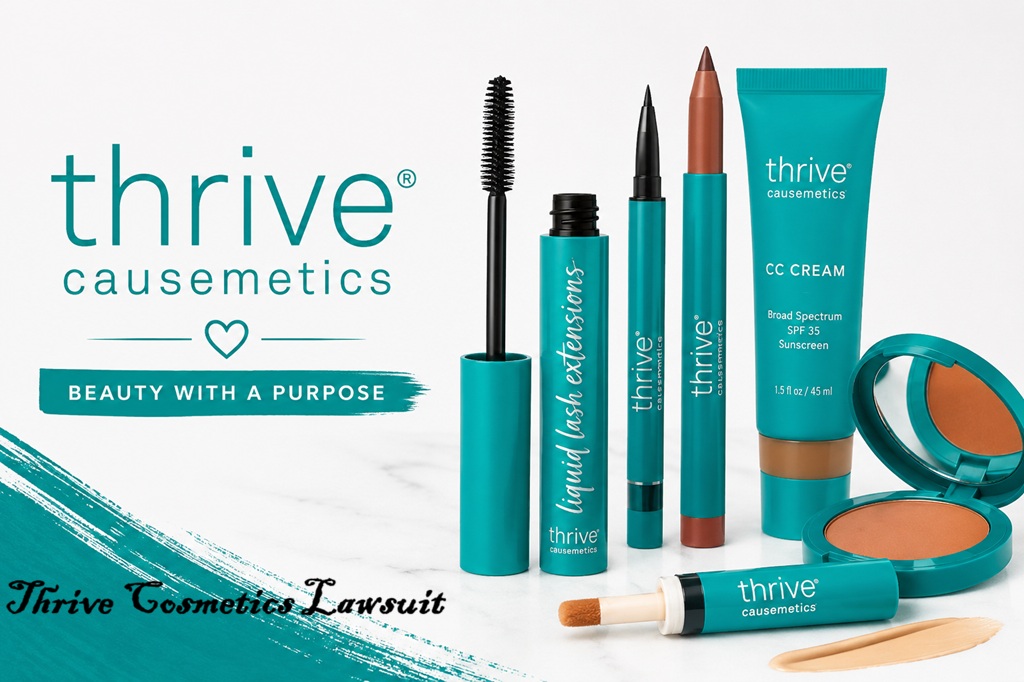
Thrive Causemetics is a direct-to-consumer cosmetics company founded by Karissa Bodnar. The company sells makeup, skincare products, and beauty accessories through its online platform.
The brand gained recognition through a mission-driven marketing strategy. Thrive Causemetics promoted itself as a company that combines beauty products with charitable giving. Its messaging often highlighted support for women experiencing serious life challenges. Many consumers associated the brand’s growth with its promise that purchases would help fund donations to women in need.
Why Was Thrive Causemetics Sued?
The lawsuit focused on the company’s charitable marketing claims. According to court filings, consumers alleged that Thrive Cosemetics created the impression that every purchase triggered a specific donation to a woman in need. Plaintiffs argued that the company’s advertising and promotional statements encouraged consumers to pay premium prices because they believed their purchases directly supported charitable causes.
The lawsuit claimed consumers may have interpreted the company’s messaging differently from how donations were actually structured.
The allegations generally involved:
- Charitable donation representations
- Cause-marketing practices
- Consumer deception claims
- False advertising allegations
- Unfair competition allegations
- Premium pricing based on social impact messaging
The company denied allegations that it engaged in unlawful conduct.
Understanding the One-for-One Donation Model
One of the central issues involved Thrive Causemetics’ use of a “one-for-one” donation concept. Many consumers understood the marketing to mean that every product purchased would result in a matching product donation to a woman in need.
Plaintiffs argued that marketing materials created this expectation. The lawsuit questioned whether the actual donation practices matched consumer interpretations of those advertisements. The case illustrates how charitable marketing campaigns can become the subject of legal scrutiny when consumers believe advertising messages are unclear or misleading.
What Were the Plaintiffs Alleging?
The lawsuit did not claim that Thrive Causemetics failed to make donations entirely. Instead, plaintiffs focused on whether the company’s advertising accurately described how donations occurred.
Key allegations included:
Misleading Donation Statements
Consumers argued that advertising created specific expectations regarding donations.
False Advertising
The lawsuit alleged certain marketing representations could mislead reasonable consumers.
Consumer Protection Violations
Plaintiffs claimed the company’s advertising practices violated consumer protection laws, including California’s California Unfair Competition Law and California False Advertising Law.
Similar allegations have appeared in other consumer fraud cases involving marketing and advertising claims, including the Native Deodorant Class Action Lawsuit and the Peptiva Lawsuit, where consumers challenged representations used to promote products and services.
Unfair Competition
The complaint also included claims related to unfair business practices.
It is important to note that allegations in a lawsuit represent claims made by plaintiffs. Allegations do not establish liability or wrongdoing.
How Consumers Claimed They Were Harmed
The lawsuit did not allege physical injuries or defective products. Instead, plaintiffs focused on economic harm. Consumers argued they purchased Thrive Causemetics products because they believed the company’s charitable messaging provided additional value beyond the cosmetics themselves.
According to the complaint, some buyers claimed they may have paid premium prices or chosen Thrive Causemetics over competing brands because of those charitable representations. Cases involving alleged economic injury are common in consumer protection litigation and often focus on purchasing decisions rather than product performance.
Thrive Causemetics Lawsuit Timeline
2018
Consumers filed a proposed class action lawsuit against Thrive Causemetics.
2018–2019
The parties litigated the case and discussed resolution options.
2019
The parties reached a settlement agreement.
October 2019
The court dismissed the case with prejudice after the settlement process concluded.
Present Day
No publicly known active class action based on the original donation allegations remains pending.
Thrive Causemetics Settlement Details
What Was the Outcome of the Lawsuit?
The Thrive Causemetics lawsuit ended through a settlement, and the court later dismissed the case with prejudice. No court determined that Thrive Causemetics violated the law or engaged in wrongdoing.
The litigation did not proceed to a trial verdict. Instead, the parties reached a resolution that allowed the dispute to conclude without a judicial finding on the merits of the allegations. A dismissal with prejudice means the claims raised in the lawsuit cannot generally be refiled by the same plaintiffs. Courts treat the matter as permanently resolved.
Did Thrive Causemetics Admit Wrongdoing?
No. Thrive Causemetics denied allegations that its advertising practices violated consumer protection laws. The settlement did not include a court finding that the company engaged in false advertising, consumer deception, or unlawful conduct.
This distinction is important because settlements often occur for business, litigation-cost, or risk-management reasons. A settlement should not be interpreted as proof that allegations were established in court.
Was the Lawsuit About Product Safety?
No. The Thrive Causemetics lawsuit did not focus on product defects, product safety concerns, manufacturing problems, contamination issues, or health risks.
Instead, the case centered on marketing representations related to the company’s charitable donation program and how consumers may have interpreted those claims.
What Consumers Claimed
Plaintiffs argued that Thrive Causemetics’ advertising created the impression that purchases directly supported donations to women facing hardships such as cancer, domestic violence, homelessness, and other challenges.
According to the complaint, some consumers claimed they chose Thrive Causemetics products because they believed their purchases would trigger specific charitable benefits. The lawsuit alleged that these representations influenced purchasing decisions and may have justified premium prices in the minds of consumers.
Why the Settlement Matters
The Thrive Causemetics case became part of a broader discussion about cause-marketing practices. Consumers increasingly support brands that promote social responsibility, charitable giving, sustainability initiatives, and community programs. As a result, courts, regulators, and consumer advocates pay closer attention to how companies describe those efforts.
The lawsuit highlighted the importance of ensuring that charitable marketing messages are clear, accurate, and supported by verifiable information.
What Does “Dismissed With Prejudice” Mean?
Many consumers search for this legal phrase after reading about the case. A dismissal with prejudice means the lawsuit is permanently closed. The same plaintiffs generally cannot bring the same claims again in a future lawsuit. Courts view the matter as resolved.
This does not automatically mean either side won every argument. It simply means the case reached a final conclusion.
Simple Definition
Dismissed with prejudice = permanently closed case that cannot be refiled based on the same claims.
Was Thrive Causemetics Found Liable?
No court found Thrive Causemetics liable for wrongdoing in the lawsuit. The case ended through settlement rather than a trial verdict. Settlement agreements often allow parties to resolve disputes without lengthy litigation. Companies frequently settle cases for business reasons while continuing to deny liability.
Consumers should understand that a settlement is not the same as a court ruling that allegations were proven.
Why Consumer Watchdogs Raised Concerns
Several consumer advocacy organizations have historically monitored cause-marketing campaigns across different industries.
Critics of donation-based advertising often argue that consumers should be able to easily understand:
- How donations are made
- Who receives donations
- When donations occur
- Whether purchases directly trigger donations
- How charitable programs operate in practice
Supporters of stronger disclosure standards argue that transparent communication helps consumers make informed purchasing decisions. The Thrive Causemetics litigation became part of that larger conversation about advertising transparency and consumer expectations.
Consumer advocacy organizations such as Truth in Advertising (TINA.org) have frequently examined charitable marketing campaigns and donation-related advertising claims across multiple industries.
Understanding Cause Marketing
What Is Cause Marketing?
Cause marketing refers to advertising that connects product purchases to a charitable, social, or community-focused mission.
Examples include:
- Product donation programs
- Buy-one-give-one campaigns
- Charity partnerships
- Social impact initiatives
- Fundraising promotions
Many companies use cause marketing to demonstrate corporate social responsibility and strengthen relationships with consumers.
Why Cause Marketing Can Lead to Lawsuits
Legal disputes sometimes arise when consumers believe advertising messages create expectations that differ from how a charitable program actually operates.
In these situations, plaintiffs may bring claims involving:
- False advertising
- Consumer protection laws
- Misrepresentation
- Unfair competition
- Deceptive business practices
Courts evaluate these claims based on the specific facts, advertising language, and consumer expectations involved in each case.
Why This Lawsuit Matters
The Thrive Causemetics case became notable because it involved cause marketing. Cause marketing occurs when a company links product purchases to charitable initiatives or social impact programs.
Consumers increasingly support brands that promote social responsibility. At the same time, regulators and courts expect companies to provide clear and accurate information about charitable claims.
The case highlights broader legal questions involving:
- Advertising transparency
- Consumer expectations
- Charitable marketing
- Brand accountability
- Corporate social responsibility
- Consumer protection compliance
Legal Significance of the Thrive Causemetics Lawsuit
The lawsuit reflects a growing trend in consumer litigation.
Modern consumers often consider more than product quality when making purchasing decisions. They may also evaluate:
- Corporate values
- Ethical business practices
- Sustainability commitments
- Social impact programs
- Charitable partnerships
As cause-based marketing becomes more common, businesses face greater scrutiny regarding how those initiatives are communicated to the public. Legal experts frequently cite cases involving charitable advertising as reminders that marketing statements should be accurate, substantiated, and easy for consumers to understand.
Companies that promote charitable initiatives should ensure their advertising complies with the Federal Trade Commission (FTC) truth-in-advertising guidelines.
What Businesses Can Learn From This Case
The Thrive Causemetics lawsuit offers lessons for companies that promote charitable initiatives.
Businesses should:
- Clearly explain donation programs
- Avoid ambiguous marketing language
- Maintain documentation supporting advertising claims
- Ensure charitable representations remain accurate
- Provide transparent disclosures when necessary
Clear communication helps reduce misunderstandings and strengthens consumer trust.
What Consumers Can Learn From This Case
Consumers increasingly consider corporate values when making purchasing decisions.
Before purchasing products based on charitable claims, consumers may wish to:
- Review company disclosures
- Read donation program details
- Verify charitable partnerships
- Understand how donations are structured
- Look for transparency reports when available
Taking these steps can help consumers make informed decisions about products linked to social impact initiatives.
How the Lawsuit Affected Consumer Trust
Consumer trust plays a significant role in the beauty industry. When a brand promotes charitable initiatives, consumers may develop stronger emotional connections to products and company values.
Lawsuits involving charitable claims can raise questions about transparency, even when no court determines wrongdoing occurred. The Thrive Causemetics litigation contributed to broader discussions about how companies communicate social impact efforts and charitable programs.
Is Thrive Causemetics Still in Business?
Yes. Thrive Causemetics continues operating as a cosmetics company and remains active in the beauty industry. The company still sells beauty products through its website and maintains public messaging about its mission and charitable initiatives.
Consumers researching the lawsuit often ask whether the company shut down following the litigation. Publicly available information indicates that the business continues to operate.
Who Owns Thrive Causemetics?
Karissa Bodnar founded Thrive Causemetics and remains closely associated with the company’s growth and public identity. She launched the brand with the goal of combining beauty products with philanthropic initiatives.
Her leadership and the company’s social mission helped Thrive Causemetics build a distinct position within the competitive cosmetics market.
FAQs
Who owns Thrive Causemetics?
Karissa Bodnar owns Thrive Causemetics. She founded the beauty brand in 2015.
Is Thrive Causemetics safe to use?
Thrive Causemetics states that its products are vegan, cruelty-free, and free from parabens, sulfates, and synthetic fragrances.
Where is Karissa Bodnar from?
Karissa Bodnar is from Stanwood.
Does Ulta sell Thrive Causemetics?
No. Thrive Causemetics products are currently sold through the company’s website and official Amazon storefront, not Ulta stores.
Sources and Legal Notice
This article summarizes allegations contained in publicly reported lawsuit materials and related legal proceedings. Allegations in a lawsuit represent claims made by plaintiffs. Allegations do not establish liability, wrongdoing, or legal violations unless proven in court.
Thrive Causemetics denied wrongdoing, and the litigation concluded through settlement without a court finding of liability.
Final Thoughts
The Thrive Causemetics lawsuit serves as an important example of how charitable marketing claims can attract legal scrutiny. The case focused on allegations regarding donation-related advertising rather than product safety or product effectiveness.
The litigation concluded through settlement, and the court dismissed the matter with prejudice in 2019. No court ruling established liability against Thrive Causemetics.
For consumers, the case highlights the importance of understanding how charitable marketing programs operate. For businesses, it demonstrates why transparency and clarity remain essential when promoting social impact initiatives and donation-based advertising campaigns.

Sadia Parveen is a content writer at ClassAction24.com who creates informational articles on class action lawsuits, consumer protection matters, and legal developments. Her work focuses on researching publicly available information and presenting it in a clear and neutral format for general readers. She does not provide legal advice or professional legal services.