Santander Consumer Western Avenue Nissan Lawsuit Explained
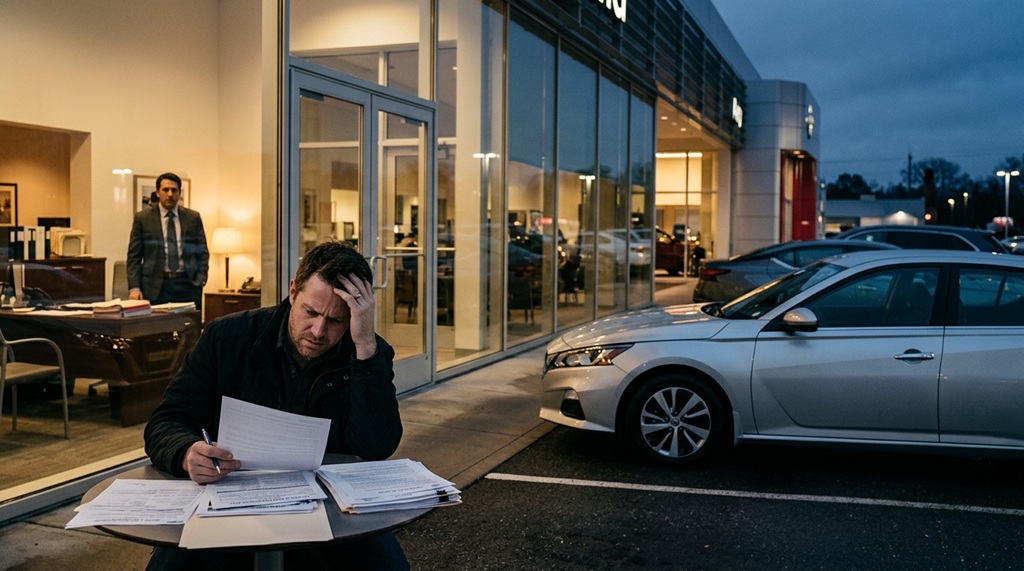
The Santander Consumer Western Avenue Nissan lawsuit has drawn attention across consumer protection and automotive finance discussions in the United States. Public reporting connected to the dispute describes allegations involving dealership sales tactics, vehicle advertising concerns, and financing paperwork tied to a car purchase later associated with Santander Consumer USA.
The case gained wider attention because it reflects concerns many consumers already have about dealership financing transparency, subprime auto lending, and alleged bait-and-switch vehicle sales practices. Coverage surrounding the lawsuit also increased online searches related to falsified car loan applications, dealer-arranged financing disputes, and consumer rights during vehicle purchases.
At the same time, readers should understand an important distinction. Current public reporting mainly discusses allegations connected to dealership conduct rather than confirmed wrongdoing by Santander itself. Court filings, consumer complaints, and media summaries describe legal claims and accusations, not final judicial findings.
Quick Answer
The Santander Consumer Western Avenue Nissan lawsuit refers to allegations tied to a vehicle financing transaction involving Western Avenue Nissan and financing reportedly connected to Santander Consumer USA. Public discussions focus on alleged dealership conduct involving financing paperwork, vehicle advertising, and possible bait-and-switch tactics. No final court ruling discussed in public reporting has established proven liability.
What Is the Santander Consumer Western Avenue Nissan Lawsuit?
The lawsuit centers on allegations involving a dealership transaction connected to a Nissan vehicle purchase and subsequent financing arrangements. Public reporting from automotive and legal discussions describes claims involving dealership financing procedures, loan paperwork preparation, and the advertising of a vehicle that allegedly became unavailable during the sales process.
According to discussions reported by Automotive News and other automotive coverage sources, the dispute reportedly began after a consumer responded to an online listing for a lower-priced vehicle. Public summaries later described allegations that the customer arrived at the dealership and was allegedly told the advertised vehicle was unavailable or not operational.
Reports then described claims that dealership representatives encouraged the buyer to finance another vehicle with different terms and pricing. The lawsuit attracted broader interest because the allegations touch on several issues that already generate concern within the U.S. auto finance market. Those concerns include dealership-arranged financing, subprime auto lending, loan application accuracy, and high-pressure vehicle sales tactics.
Consumer advocates often note that many buyers rely heavily on dealership finance departments during vehicle purchases. Because of that reliance, disputes involving financing disclosures or loan paperwork frequently raise questions about transparency and consumer protection.
Who Is Western Avenue Nissan?
Western Avenue Nissan operates as a Nissan dealership within the Chicago automotive market. Like many dealerships across the United States, the business reportedly offers new vehicles, used inventory, financing services, and trade-in options. Modern dealerships commonly use dealer-arranged financing systems. Under this structure, dealership finance departments gather buyer information and submit financing applications to third-party lenders for approval. If approved, the financing agreement may later become assigned to a lending institution such as Santander Consumer USA.
Public discussions connected to the lawsuit focus on allegations involving vehicle advertising, financing negotiations, and loan paperwork preparation. Reports discussing the dispute also reference concerns involving credit application details and dealership sales conduct.
The case has become part of a larger national conversation surrounding dealership financing transparency. Many Americans now search for information related to:
- alleged auto financing fraud
- deceptive dealership practices
- high-interest car loans
- falsified loan applications
- subprime lending risks
Consumer finance analysts frequently encourage buyers to review dealership paperwork carefully before signing financing agreements.
What Allegations Were Made Against the Dealership?
Public reporting related to the lawsuit discusses several allegations involving dealership sales and financing activities. Readers should continue to distinguish between allegations and proven legal findings, as current reporting reflects claims raised in legal discussions rather than final court conclusions.
Alleged Bait-and-Switch Conduct
One of the most discussed allegations involves possible bait-and-switch sales tactics. According to public reporting, a consumer allegedly responded to an online vehicle advertisement connected to a lower-priced car. Media summaries later described claims that dealership representatives stated the advertised vehicle was unavailable after the customer arrived.
Public discussions then referenced allegations that dealership staff encouraged financing for another vehicle with different pricing and financing terms. Consumer protection agencies frequently warn buyers about vehicle advertising disputes because online listings often influence dealership visits and financing decisions.
Alleged Financing Irregularities
Reports discussing the lawsuit also reference allegations involving financing paperwork and loan application details.
Public discussions connected to the dispute mention concerns involving:
- stated income
- employment information
- financial obligations
- loan qualification details
Lenders rely heavily on financing applications when evaluating borrower risk and repayment ability. Because of that process, alleged inaccuracies connected to credit applications can become legally significant. Consumer law attorneys often recommend requesting copies of every financing document before leaving a dealership.
Alleged High-Pressure Sales Tactics
Some reports also discuss allegations involving aggressive financing pressure during the dealership transaction. Consumer complaints involving dealership financing frequently include claims that buyers felt rushed through paperwork or pressured to complete transactions quickly.
Legal analysts often warn that written financing contracts control the actual terms of a vehicle loan regardless of verbal discussions during negotiations.
Is Santander Consumer USA Accused of Wrongdoing?
One of the biggest points of confusion surrounding the lawsuit involves the role of Santander Consumer USA. Current public reporting suggests the primary allegations focus on dealership conduct rather than confirmed wrongdoing by Santander itself. Automotive coverage discussing the dispute indicates that Santander’s role reportedly involved financing approval or assignment tied to the dealership transaction.
That distinction matters because dealerships and lenders usually perform different functions during vehicle financing transactions.
In most dealer-arranged financing situations, dealerships handle:
- vehicle advertising
- pricing negotiations
- customer paperwork
- financing applications
- sales contracts
Lenders generally review:
- credit risk
- repayment ability
- financing eligibility
- underwriting standards
Because dealerships often prepare much of the financing paperwork, disputes involving inaccurate information may create questions about who entered specific details into loan applications. Public reporting surrounding the Western Avenue Nissan dispute does not currently establish proven liability against Santander Consumer USA.
Timeline of the Reported Dispute
According to public discussions, the dispute reportedly began after a consumer located a vehicle listing online. Reports indicate the advertised vehicle appeared affordable and suitable for purchase. Media coverage later described allegations that the consumer visited the dealership and allegedly learned the vehicle was unavailable or not operational. Reports then discussed claims that dealership representatives encouraged financing for another vehicle.
Public reporting also references allegations involving financing paperwork and loan application information submitted during the approval process. After the transaction reportedly became completed, the financing allegedly became associated with Santander Consumer USA through a dealer-arranged financing structure.
The dispute later gained broader public attention through legal commentary, automotive reporting, and consumer advocacy discussions.
How Auto Loan Application Fraud Allegedly Happens
The lawsuit has also increased public discussion about how alleged auto financing irregularities may occur during dealership transactions. Most modern vehicle purchases involve dealership-arranged financing. Buyers often complete paperwork inside finance offices while dealership staff prepares digital financing applications for submission to lenders.
Consumer protection discussions connected to dealership financing disputes commonly involve allegations tied to:
- inaccurate income reporting
- inflated employment details
- misleading financing disclosures
- hidden add-on products
- manipulated monthly payments
Income information plays a major role in financing approvals because lenders use those details to evaluate affordability and repayment risk. Some consumer lawsuits nationwide involve allegations that buyers later discovered financial information appearing on financing documents differed from information they originally provided.
Because financing paperwork can become extremely detailed, consumer law experts often encourage buyers to review every page carefully before signing contracts.
What Is a RICO Claim in an Auto Fraud Lawsuit?
One legal term frequently mentioned in discussions surrounding the lawsuit is RICO. RICO refers to the Racketeer Influenced and Corrupt Organizations Act, a federal law originally created to address organized criminal activity. Over time, civil RICO allegations also became part of some business and consumer fraud lawsuits.
In dealership litigation, plaintiffs sometimes raise RICO-related allegations when they claim alleged misconduct extended beyond a single isolated transaction.
Auto financing lawsuits involving RICO discussions may reference allegations tied to:
- Repeated financing irregularities
- falsified credit applications
- deceptive loan submissions
- coordinated dealership conduct
Civil RICO claims usually face strict legal standards in federal court. Plaintiffs generally must show evidence involving repeated conduct, financial harm, and ongoing business-related activity rather than one disputed transaction alone. Because of those legal requirements, RICO claims often receive major public attention even before courts determine whether the allegations can proceed.
What Consumer Protection Laws Could Apply?
Several consumer protection laws may become relevant in dealership financing disputes depending on the facts involved. One major federal law is the Truth in Lending Act, commonly called TILA. The law requires important financing disclosures involving APR, repayment obligations, finance charges, and payment schedules.
Another important law is the Fair Credit Reporting Act. The FCRA regulates how consumer credit information is reported and disputed. State consumer fraud statutes may also apply in disputes involving alleged misleading vehicle advertising, hidden fees, or deceptive financing practices.
The Consumer Financial Protection Bureau also monitors parts of the auto lending industry. The agency has previously addressed concerns involving subprime lending practices, financing disclosures, and auto loan servicing conduct. Because vehicle financing transactions often involve dealerships, lenders, warranty providers, and credit reporting entities simultaneously, legal disputes can become highly complex.
What Documents Should Buyers Review Carefully?
Consumer finance attorneys frequently emphasize the importance of reviewing every financing document before signing a vehicle agreement. One of the most important documents is the retail installment sales contract. That agreement usually contains the APR, repayment structure, finance charges, and total borrowing obligations tied to the loan.
Buyers should also carefully review financing applications and verify employment details, income information, debt obligations, and payment schedules. Optional add-on products deserve special attention as well. Some financing agreements include extended warranties, GAP insurance, maintenance packages, or service contracts that significantly increase the total loan balance.
Consumers should never sign incomplete or blank documents. Legal experts also recommend preserving copies of:
- financing agreements
- credit applications
- dealership emails
- text messages
- online vehicle advertisements
Documentation may become critical if disputes later arise involving financing terms or dealership representations.
Santander Consumer USA and Previous Consumer Controversies
Santander Consumer USA has previously faced regulatory scrutiny and consumer complaints connected to subprime auto lending and vehicle financing practices.
Public reporting over the years has discussed concerns involving:
- loan servicing
- repossession disputes
- underwriting standards
- financing affordability
- consumer disclosure practices
Several earlier settlements involving Santander resolved allegations without formal admissions of wrongdoing. However, readers should avoid combining unrelated regulatory matters with the specific allegations connected to the Western Avenue Nissan dispute. Current public reporting surrounding this lawsuit mainly centers on alleged dealership conduct rather than proven lender misconduct.
What Legal Options May Exist for Consumers?
Consumers who believe they experienced misleading dealership financing practices may consider several options depending on the facts involved. Many consumers begin by filing complaints with state consumer protection agencies, attorneys’ general offices, or the Consumer Financial Protection Bureau.
Others request complete copies of financing paperwork to review:
- loan applications
- retail installment contracts
- warranty agreements
- financing disclosures
Consumers who believe inaccurate information appears on their credit reports may also dispute those records through formal procedures allowed under federal law. Some buyers later consult attorneys focusing on consumer fraud, deceptive trade practices, repossession disputes, or dealership financing litigation. Because auto financing disputes often depend heavily on documentation, preserving records remains extremely important.
Why This Lawsuit Matters for Auto Buyers
The Santander Consumer Western Avenue Nissan lawsuit continues attracting public attention because it reflects broader concerns throughout the U.S. auto finance industry.
Many Americans already worry about:
- confusing dealership paperwork
- high-interest auto loans
- aggressive sales tactics
- financing transparency
- subprime lending risks
Vehicle financing often represents one of the largest financial obligations consumers take on outside housing. Because reliable transportation remains essential for employment, healthcare access, and daily life, financing disputes can create long-term financial stress.
The lawsuit has also increased public awareness surrounding consumer rights during vehicle purchases. More buyers now search for information related to auto financing fraud warning signs, dealership financing transparency, and loan document accuracy before completing transactions.
FAQs
What is the lawsuit against Santander Consumer USA?
Santander Consumer USA has faced lawsuits and settlements related to subprime auto lending, repossession practices, and consumer financing disputes. Regulators previously alleged the company approved risky auto loans and failed to monitor certain dealer practices properly.
Has Nissan ever been sued?
Yes. Nissan Motor Co. and various Nissan dealerships have faced lawsuits involving vehicle defects, transmission problems, financing disputes, and consumer fraud allegations over the years.
Is the North Bay Nissan dealership permanently closed due to the parent company’s financial struggles?
Some reports and online discussions have referenced financial problems connected to dealership groups tied to North Bay Nissan operations. However, dealership ownership and operational status can change, so readers should verify current information through official business records or dealership sources.
Does Santander garnish wages?
Santander and other lenders may pursue collection actions after loan defaults. Wage garnishment laws vary by state and usually require court approval before garnishment can occur. Repossession alone does not automatically mean wages will be garnished.
Conclusion
The Santander Consumer Western Avenue Nissan lawsuit has become part of a larger national discussion involving dealership financing transparency, consumer protection, and auto lending practices. Public reporting connected to the dispute reflects allegations involving vehicle advertising concerns, financing paperwork, and dealership sales conduct. Readers should continue distinguishing between allegations, legal claims, media reporting, and proven judicial findings.
The case also highlights the importance of financial awareness during vehicle purchases. Consumers should carefully review financing agreements, verify every financial entry, and preserve copies of all signed paperwork before accepting long-term loan obligations. As dealership financing practices continue attracting public scrutiny, many buyers now recognize the importance of understanding their rights, repayment obligations, and financing terms before completing vehicle transactions.

Sadia Parveen is a content writer at ClassAction24.com who creates informational articles on class action lawsuits, consumer protection matters, and legal developments. Her work focuses on researching publicly available information and presenting it in a clear and neutral format for general readers. She does not provide legal advice or professional legal services.